
Turning the Medicine Wheel: Indigenous Circles, Balance, and Everyday Practice
Picture this. You are outside at sunrise. Your toes are in the wet grass. You are placing feathers. You light a candle. You put a bowl of water on the ground. You do this at the four compass points. This simple act feels special. It feels old. It links you to places far away. It links you to the Andes mountains. It links you to the prairies. It links you to Australia.
This might sound like just a quiet moment. But it is really a meeting. You are meeting a living map. Many native cultures know this map. It is the Medicine Wheel. It is a circle. It is a spiral. It is an axis. It helps balance your body and mind. It connects you to your community and the land.
Here is the strange truth. Circles of meaning are everywhere. But learning to read them is an adventure. It takes a humble heart. It takes a curious mind. It takes knowing yourself. This is true even if you are not from these cultures. It is especially true if you are not.
Wheels, Webs, and Ways: Looking at Native Maps
Across the world, native people have made maps. They map the living world. They use circles. They use wheels. They use webs. These patterns help organize life. They show direction. They show relationships. These are not just drawings. They are living lessons. They guide daily life. They connect people to the land. They remind groups of their place in the big web of life.
Medicine Wheels: Circles of Balance
In North America, many Nations use the Medicine Wheel. This wheel is a tool for teaching. It is not a fixed sign. It is a flexible pattern. It often divides the circle into four directions. These are East, South, West, and North.
Each direction has a partner. These partners are elements. They are air, fire, water, and earth. They are also seasons. They are stages of life. They are ways of knowing. These are mind, action, emotion, and body. The wheel’s colors change. The animals change. The stories change. They change from Nation to Nation. The main point is not to copy a picture. The point is to learn to walk in balance. It is to honor the links between yourself, others, the land, and spirit.
- East: New starts, light, new ideas.
- South: Growing, trust, doing things.
- West: Thinking back, feelings, letting go.
- North: Wisdom, rest, help from spirit.
Chakana: The Cross of the Andes
In the Andes, there is the Chakana. It is also called the Inca Cross. It is a symbol with steps. It links three worlds. There is the upper world of vision. There is the middle world of daily life. There is the inner world of ancestors. People do rituals. They make offerings. These acts keep balance between the worlds. The Chakana is a bridge. It connects people to mountains. It connects them to the sky. It connects them to the spirits of a place. It marks the cycles of the sun and seasons.
Directions in Central America
Maya and related cultures build their cities in a special way. They line up plazas and temples. They face the four sacred directions. There is a center axis. This is the world’s heart. Each direction has an anchor. It has a tree. It has a color. It has a god. People move through these spaces in rituals. This helps the human group line up with the cosmic order. It shows that direction and story are always tied together.
Songlines and Sky-Earth Wheels
In Australia, Aboriginal people have Songlines. These are sung paths. They trace the trips of creator beings across the land. These are not still circles. They are living maps. They are stories in motion. To walk and sing them is to keep creation alive.
In New Zealand, Māori stories center on a split. Sky Father and Earth Mother were pushed apart. Winds and gods form a compass. This helps with travel. It helps with gardening. It helps with rituals.
Why Relationships Matter More Than Copying
Across these traditions, the wheel is not a template. It is not something to just copy. Each pattern is shaped by the local land. It is shaped by ancestors. It is shaped by stories. The point is not to copy signs. The point is to learn to be in a right relationship. You listen to the place. You honor teachers. You give back. The world’s compass is more like a spiral. It is not a grid. Direction, element, story, and season all turn together. They teach balance through connection.
What a Medicine Wheel Is Not: Ethics and Props
It is easy to see the beauty of the medicine wheel. You may want to bring its wisdom into your daily life. But a medicine wheel is not a simple tool. It is not a spiritual “do-it-yourself kit.” Each wheel is a living lesson. It is shaped by the land. It is shaped by the language. It is shaped by the family lines of the people who keep it. Knowing what a medicine wheel is not is just as important.
No One Size Fits All
Medicine wheels are not fixed drawings. They do not have set colors. They do not have set animals. They do not have set meanings. They are frames. They organize life. They organize directions, elements, and seasons. They are rooted in specific places.
For example, a Plains Nation’s wheel may use certain colors. An Andean Chakana may use different ones. A Maya cross may use different ones still. The point is not to copy a design. The point is to learn how to walk in balance where you stand. There is no single “correct” version for everyone.
The Risks of Taking Without Asking
When people borrow the medicine wheel without knowing the story, it can be bad. It can flatten the deep teachings. It can erase them. Real interest can slip into taking. This happens when sacred signs are used as props. They are used as decorations.
This is very true when wheels are taken out of their culture. They are stripped of their stories. They lose their songs. They lose their rules. Turning a medicine wheel into a trendy altar is risky. Turning it into a wellness tool without giving credit is risky. It risks disrespecting the people who hold these teachings.
- Not all wheels are open to everyone. Some ceremonies are private. Some songs need permission.
- Details matter. Colors, animals, and directions are not just swaps. They carry meaning. This meaning is specific to each Nation.
- Props are not the practice. The heart of the wheel is relationship. It is offering. It is listening. It is giving back. It is not collecting objects.
Rules for Learning and Practice
- Credit your sources. If you learn from a Nation, name them. If you learn from a teacher or book, name them. Do not mix teachings without care.
- Don’t generalize. Wheels from different cultures are not the same. Respect the differences. Honor where they come from.
- Give back, do not just copy. Instead of copying rituals, focus on respect. Build good relationships with the land. Build them with Native groups. Build them with the teachings. Support Native-led groups. Support language programs.
- Choose simple gestures. Breath is safe. Water is safe. Giving thanks is safe. Silence is safe. These are respectful ways to honor the circle if you have not been invited into specific rites.
“A perfect altar is less important. A steady, respectful rhythm of giving and listening is more important.”
Approaching the medicine wheel with humility means seeing its roots. It means seeing the duty that comes with it. It is not a prop. It is not a shortcut. It is a living pattern. It asks for your presence. It asks for your respect. It asks for you to keep learning.
Circle Habits for Today: Balance with Small Acts
The ancient medicine wheel is not just from the past. It is a living pattern. Anyone can use it for daily balance. For those new to this, building a personal wheel at home is good. It is meaningful. You do not need fancy props. Everyday items work fine.
A Personal Wheel: A Guide for Beginners
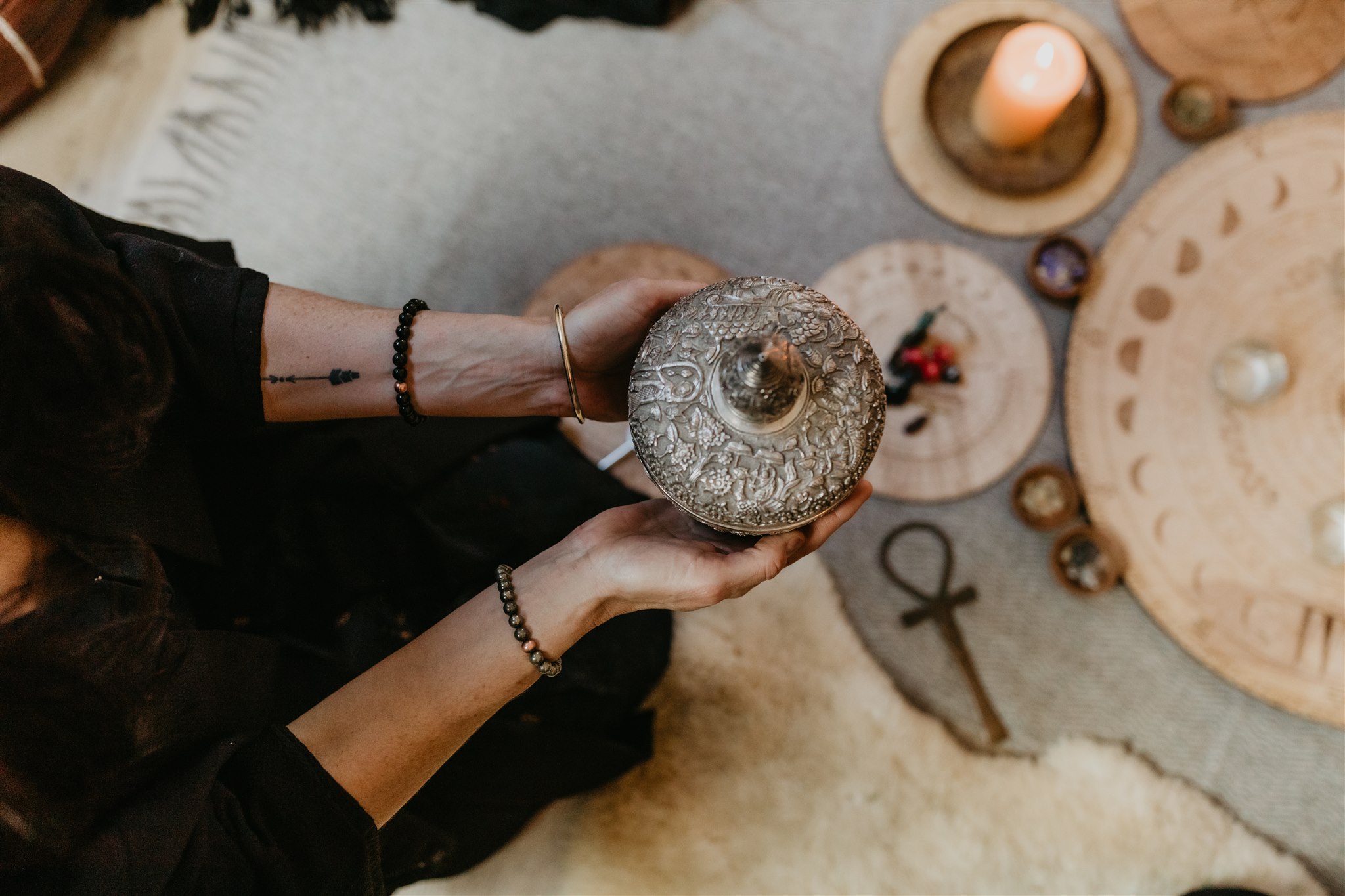
Begin by finding your center. Stand or sit quietly. Breathe deeply until you feel grounded. Then, mark the four directions. Use simple objects:
- East: Use a feather. Or use a slip of paper. (This is for mind and air).
- South: Use a candle. Or use a match. (This is for action and fire).
- West: Use a bowl of water. (This is for emotion and water).
- North: Use a stone. Or use a small plant. (This is for body and earth).
Walk clockwise around your wheel. Pause at each point. Ask yourself:
- East: What new truth wants to come out?
- South: What action will keep it alive?
- West: What feeling needs to be seen?
- North: What wisdom keeps me steady?
Offer a word of thanks. Offer a drop of water to the earth. Or just be silent for a moment. The power is in your honest heart. It is not in a perfect setup.
Four-Breath Reset & Season Check-In
Small rituals are repeatable actions. They bring the wheel’s balance into everyday life. The Four-Breath Reset is a quick way to reconnect:
- Breathe in facing east. Breathe out to the south.
- Breathe in to the west. Breathe out to the north.
- Rest at the center for two counts.
This simple breathing pattern can be done at your desk. It can be done outdoors. It invites clarity and calm in just a minute.
At each season change, try a Check-In. Write one line for each direction:
- East: What did I learn?
- South: What did I do?
- West: What did I feel?
- North: What did I become?
These small check-ins help track your growth. They track you through the cycles of the year. They echo the wheel’s rhythm.
A Giving Ledger for Daily Life
Native teachings value relationship more than objects. A “Giving Ledger” is a simple weekly practice. It honors this value. Make two lists:
- What did I get from the land? (food, beauty, space)
- What did I give back? (tending, donation, prayer, cleanup)
Balancing these lists is a reminder. The medicine wheel is about living right. It is about living right with place. It is about living right with people. It is about living right with nature. The meaning grows from steady, respectful acts. It does not grow from props.
Listening Locally: Ethics and Humility
Circle practice is not about copying. It is not about mixing traditions without care. Always name your sources. Avoid closed rites. Support Native-led groups when possible. Let your practice be shaped by local teachers. Let it be shaped by the land itself. Put relationship and gratitude first.
Wild Card: Story or Song? How Circles Teach
The wisdom of the medicine wheel is not limited to words. Across cultures, circles have always been more than drawings. They are living patterns. They are felt in the body. This truth comes alive in everyday stories.
A friend of mine is a teacher. She faced a hard challenge. She lost her voice just before a week of lessons. The lessons were about cycles and seasons. Instead of canceling, she gathered her students. She put them in a circle. She placed a handful of pebbles at the center.
Without a word, she invited each child to choose a pebble. They placed it at a direction—east, south, west, or north. While they did this, they shared a gesture. They shared a memory. Or they just shared a feeling. The circle of pebbles became a silent story. Each stone was a chapter. Through this quiet act, the children learned. Knowledge can travel through hands. It can travel through eyes. It can travel through presence. It travels just as well as words. The circle itself was the teacher.
Imagine a group of friends. They come together for a potluck. Instead of food, each person brings a small object. Perhaps a feather. A candle. A shell. A stone. Each stands for a direction or element. As they place their items in the circle, they share a story. It is not a recipe. It is what that object means to them. A memory of sunrise. A lesson from water. A hard time overcome. A hope for the future. The circle becomes a quilt of life. It is woven from many voices. It is woven from silences. In this way, the medicine wheel is not just a model to study. It is a practice to live. It grows richer with every shared offering.
It is important to remember something. Not all teachings are spoken aloud. In many Native traditions, some knowledge is sung. Some is danced. Some is simply watched. Australian songlines are not written maps. They are songs. They trace the land’s memory. To walk and sing them is to keep the world alive.
In the Andes, the Chakana is honored with gifts and movement. It is not just words. Even in the everyday, small acts matter. Tending a garden. Lighting a candle. Sitting quietly at dawn. These can be ways of honoring the circle. These can be ways of learning from it.
The medicine wheel teaches that balance is not from facts. It is from joining in. By listening. By moving. By offering. Through a circle of pebbles. Through a shared object. Through a song. Through a silent walk. The wheel invites everyone to learn. Learn with your whole being.
As this blog ends, may each reader remember. The circle’s best lessons often arrive beyond words. They arrive in the space between story and song. Presence itself is the teaching.
Every culture maps meaning differently. But the Native circle teaches that true balance is a living practice. It is local. It is always giving back. It is always humble.
If you would like to learn more, there are courses. The Academy of Oracle Arts offers them. They can help you deepen your understanding. They weave many practices around earth-based wisdom.
by The Acedemy of Oracle Arts