
Anubis Symbolism: The Egyptian Guide of Souls
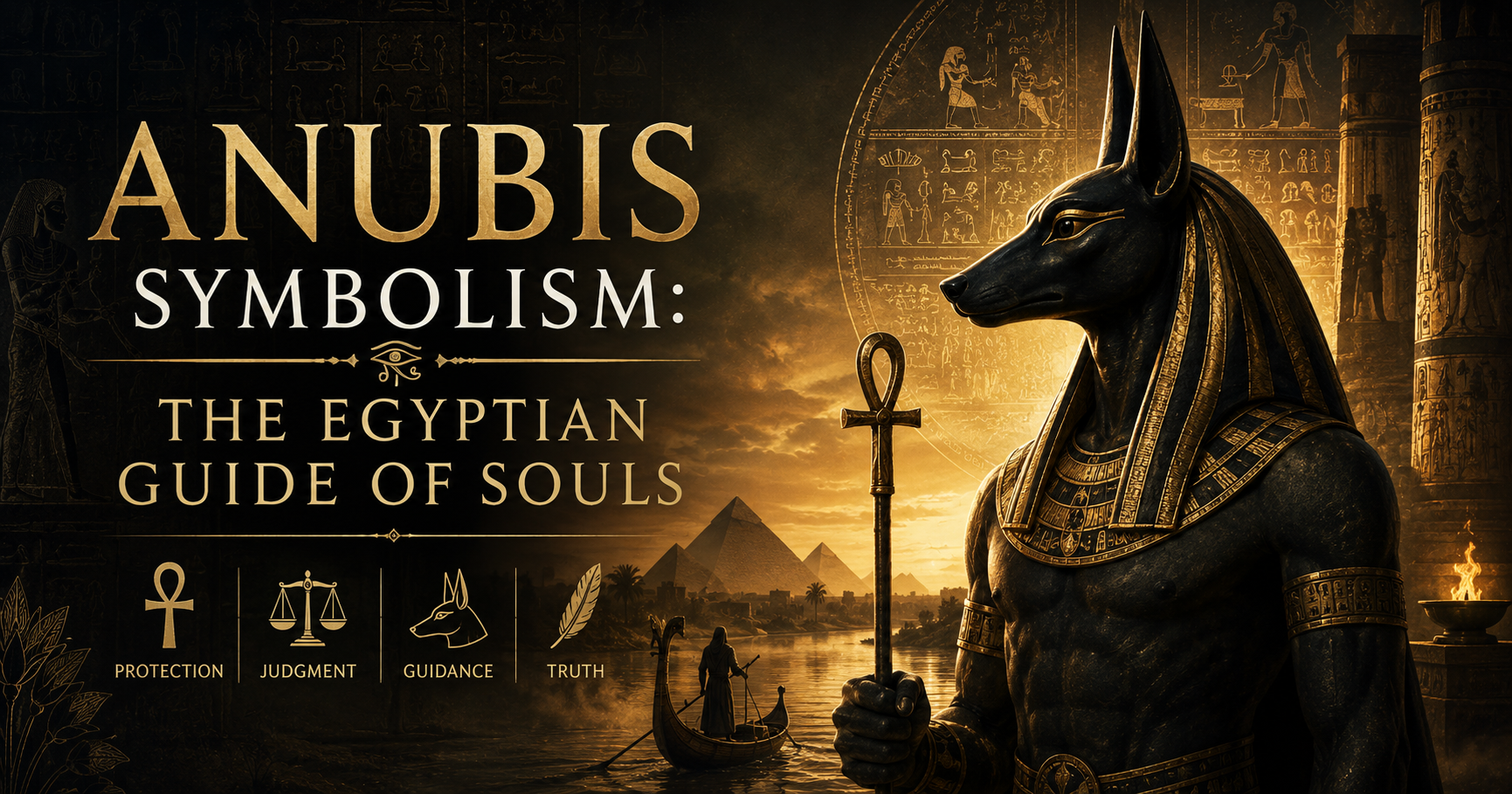
Anubis is one of the most loved Egyptian gods. He has the head of a jackal, the body of a man, and a calm, kind face. He is not a god of death. He is the god who walks with you through death.
Anubis symbolism is rich. Each part of his form holds meaning. This guide walks you through his myth, his role in the afterlife, and how seekers honor him today.
Who Is Anubis
Anubis is one of the oldest Egyptian gods. He goes back to before 3000 BCE. He is the son of Osiris and Nephthys (his mother is sometimes Set’s wife, in the older myths). He was the chief god of the dead before Osiris took that role.
His main job was to guide souls to the afterlife. He was also the god of mummification, of embalming, and of cemeteries. The first mummy he made was Osiris himself, with the help of Isis.
Why a Jackal Head
The jackal was a real animal in Egypt. Jackals lived in the desert at the edge of cemeteries. The Egyptians saw them often near tombs. They saw the jackal as a guard of the dead, not a thief.
Real-life jackals were black to dark brown. But in art, Anubis is always pure black. Why? Black was the color of fertile soil after the Nile flood. It was the color of new life. So black on Anubis means: through death comes new life. This is the heart of his symbol.
Anubis Symbolism in Detail
- Jackal head — the guard at the edge of the desert and the grave.
- Black skin — fertile soil, new life after death.
- Was scepter — staff of power, held in his right hand.
- Ankh — the key of life, held in his left hand.
- Long ears — he hears the prayers of the dying and the dead.
- Calm pose — he is steady, not fierce.
Each part says: ‘Be calm. Death is not the end. I will walk with you.’
Anubis in the Afterlife
Anubis had three main jobs after a person died.
- He led the soul from the body to the Hall of Two Truths.
- He held the scale at the weighing of the heart.
- He took the soul, if they passed, to Osiris and the field of reeds.
He did this with calm, fair hands. He was not the judge. He was the guide. The dead person’s heart was their own. Anubis just made sure the trial was fair.
For the full story of the weighing, see our post on what is Ma’at in Egyptian mythology.
Anubis and Mummification
The Egyptians made mummies to keep the body safe for the afterlife. The chief embalmer wore a jackal mask while he worked. This was not for show. The priest stood in for Anubis. The work was sacred, not just medical.
The full process took 70 days. The body was washed, dried in salt, wrapped in linen, and placed in a coffin. Each step had a prayer. Each step called Anubis to bless the work.
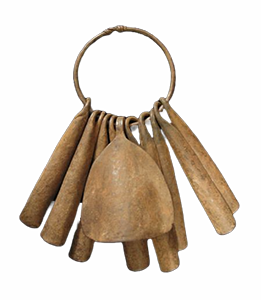
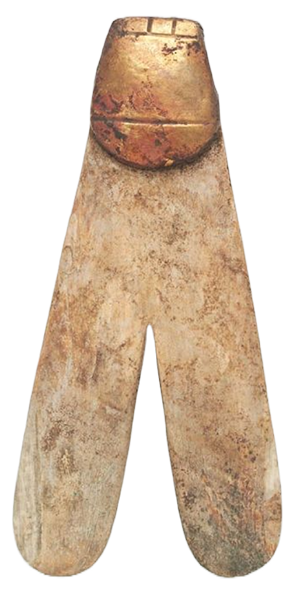
Many of these tools are now on display. The Met Museum’s Egyptian wing has full mummification kits open to the public.
How Anubis Was Worshiped
Anubis had small temples in many cities. The biggest was at Cynopolis (City of the Dog) in Middle Egypt. People left small bread loaves shaped like jackals at his shrine. They left flowers, water, and small jackal statues.
Pregnant women asked him for safe birth. The dying asked him for a calm passage. Mourners asked him to guide the soul of their loved one. He helped at every threshold.
How to Honor Anubis Today
Modern seekers work with Anubis in a few ways:
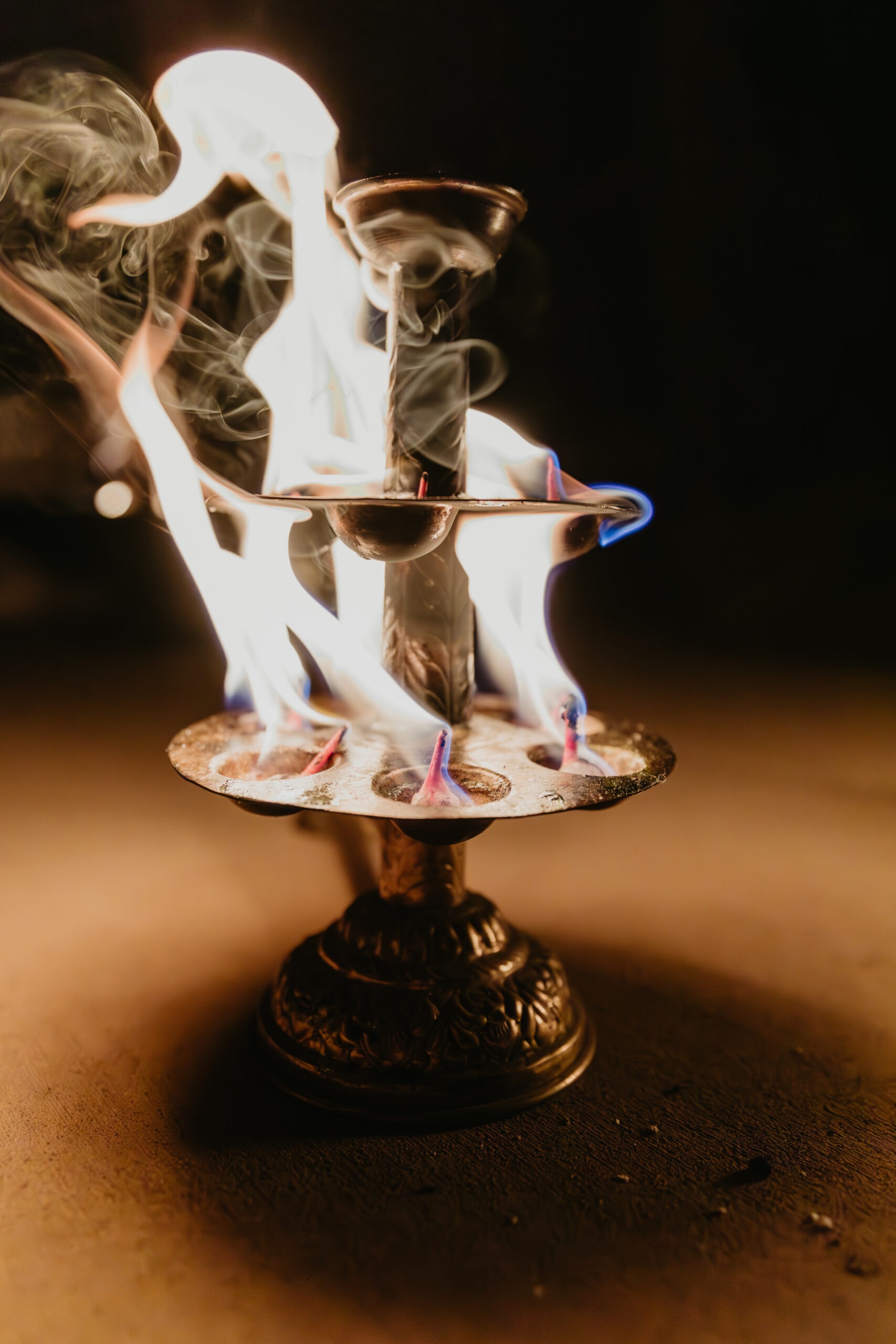
- Light a black candle on his altar at dusk.
- Offer fresh water and a piece of bread.
- Wear or carry a small jackal pendant.
- Call on him in times of grief or change.
- Ask for his blessing at funerals or memorials.
If you walk through grief now, our post on rituals for life transitions can help with practice.
Anubis in Modern Pop Culture
Anubis is in many movies and games today. Some show him as scary. He is not. Anubis is calm, kind, and fair. He is the god you would want with you in your last hour. The Egyptians saw him as a friend, not a foe.
If you wear his image, learn his real story. Pop culture often misses the heart of his role. He guides. He does not punish.
Final Thoughts
Anubis symbolism is the symbol of safe passage. He is the calm hand at the threshold. He is the guard who knows the way through the dark. To call on Anubis is to ask for a wise guide in any change.
If you are pulled to deeper Egyptian sacred work, our Apprenticeship offers a real, lineage-led path.
Frequently Asked Questions
Is Anubis evil?
No. He is calm, fair, and kind. He guides souls through death without judging them. The judge is Ma’at, not Anubis.
What does Anubis hold in his hands?
Often a was scepter (a staff of power) and an ankh (the key of life). Both show his role as a guide between worlds.
Can I work with Anubis if I am not Egyptian?
Yes. He is a world god today. Approach with respect for his old roots and his real role as a calm guide.
by The Acedemy of Oracle Arts