
Circles That Hold: Why Group Rituals Transform Learning into Living Bonds
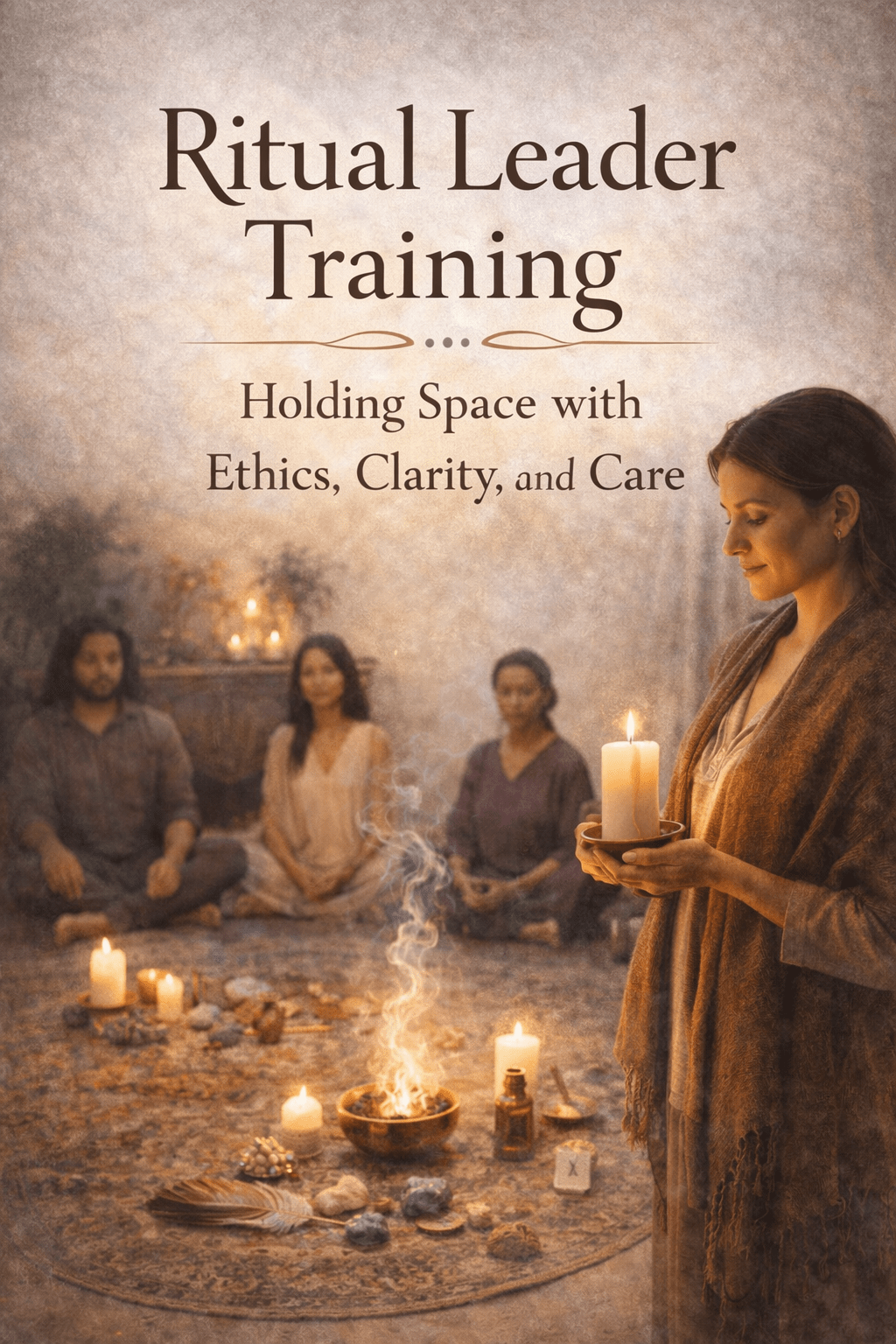
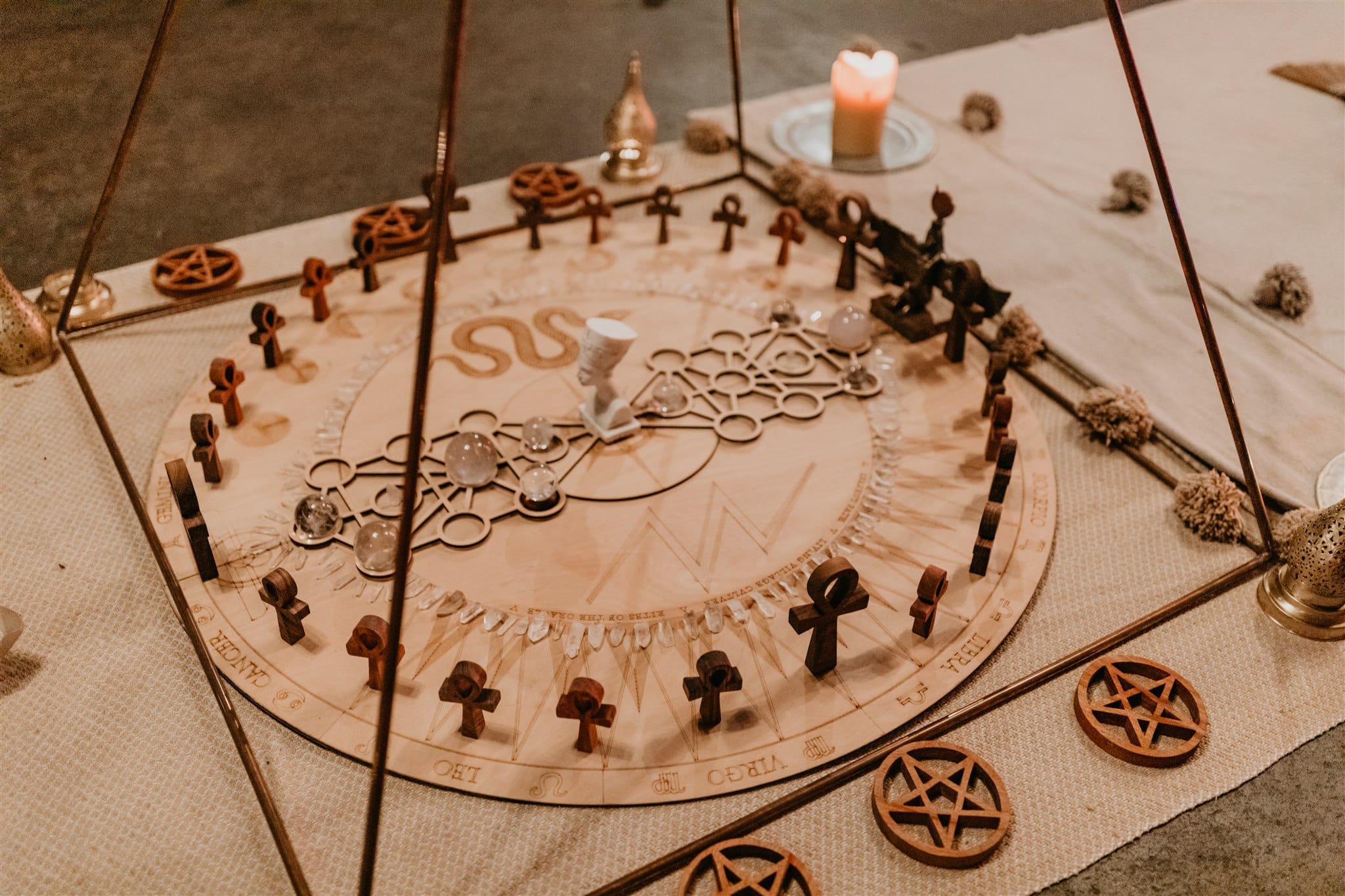
I once saw a group of students. They were in a dusty back room. They changed their study time. They did it with just one candle. That moment was special. There was a quiet hush. The group had one goal. It changed the whole feeling.
What is it about these group acts? Why do they make normal, everyday things feel so special? This post will look at that quiet power. We will look at what happens when groups do more than just talk. We will see why these simple acts feel so important. They feel like they are deep in our bones.
From Facts to Friendships: The Moment an Act Changes Everything

A group gets together. They meet to study. Sometimes the meeting is just normal. Other times it changes them. What makes the change? It is often one single, shared act.
This is the moment a special habit, or ritual, begins. It can be a simple hand movement. It can be a quiet pause. This small act changes the feeling. The group stops just sharing facts. The group starts to build friendships. In this safe space, learning is not just about facts. It becomes a real, living bond.
How a Shared Act Changes the Group
Think about what happens. A group lights a candle. They take three breaths together. They ring a chime to start. These small habits send a signal. They signal a change from the normal world. They make a space that is special.
The group’s mind gets sharp. Worries go away. A feeling of being together grows. The people are not just alone with their own thoughts. They become a circle. They hold one goal. This is the moment facts turn into friendships.
A Story: The Chime That Changed Everything
One yoga study group had a problem. People came late. They were not focused. Their minds were busy. The leader wanted to fix this.
So, the leader tried a new, simple act. They rang a single chime. They rang it at the start of every class. In just a few weeks, things changed. Fewer people missed class. The talks went deeper. People said they felt more present. They felt more connected. They felt tied to the lesson. They felt tied to each other.
The chime was a small thing. But it marked a line. It asked everyone to arrive. It showed that the time in the circle was important.
Why It Works: Rituals Help Us Feel Safe
Studies show something. Leaders often feel this in their hearts. Special habits help people feel safe. A group opens in a set way. It closes in a set way. They may use breath. They may use sound. These acts send a message.
The message goes to our nerves. The message is: “You are safe here.” This safe feeling is needed. It helps people really join in. People will share more. They will ask questions. They will learn more when they feel safe.
- Nerves Feel Safe: Rituals calm our worries. They show that the space is safe and known.
- Smart Groups: Shared acts build trust. New ideas can grow. The group learns more together.
- Body Memory: Your body remembers actions. This helps you remember the lessons.
- We Belong: Doing the same act builds a feeling. It feels like you belong. The group feels like a safe home.
When study becomes a special act, knowing turns to friendship. Each voice is a spark. Each shared habit is a thread. It ties learning to real life.
In every group, this moment can happen. It is the moment a special act is used. The facts they learn are still the same. But the group’s feeling is new. The facts are now held in a safe web. It is a web of friendship.
Why Group Acts Build Strong Bonds
A study circle can change. It can change from just talking to doing a shared act. When this happens, a big change is felt. The group stops being just a pile of people. It becomes a living, breathing group.
Special acts, or rituals, do this. They are often very simple. They make people feel safe. They help people connect. They turn learning into lasting friendship. These key things explain why these group acts are so strong. They help build bonds that do not break.
Feeling Safe: Kind Acts Make Us Open
A group needs a good start. It needs a clear end. These must be the same every time. You can take three breaths together. You can light a candle. You can say the group rules. These acts send a signal. The signal goes to every person’s nerves. It tells them this is a safe space.
These known acts help people relax. They let down their walls. They invite people to be real. When the body feels safe, new ideas can grow. People can share from their hearts. This safe feeling is the start of deep, trusting bonds.
- A good plan calms worry. It helps people be open.
- Shared rules set clear hopes. This makes people feel less lost.
- Gentle endings help. You can share thanks. You can blow out a candle. This helps people return to normal time with care.
Smart Groups: Ideas Grow in a Shared Map
Group acts make a special “cup.” This cup holds each person’s new ideas. The ideas are woven together. They are not just one person’s thoughts. The group builds a shared map. Every voice becomes a thread.
This shared map is richer. It is better than just one person’s idea.
- Shared study turns one person’s learning into group wisdom.
- Good questions let each person add their own thoughts. This helps the group wonder more.
- A note-taker, or “scribe,” can write down the big ideas. This keeps the group’s knowing alive.
Body Memory: Your Muscles Help You Learn
We use our bodies in these acts. We might pass a special object to talk. We might sing a closing line. We might share a sip of water. These acts anchor the learning in our bodies. They create a “muscle memory.”
This makes the lessons easier to remember. The body remembers what the mind might forget. It turns ideas into real, lived feelings.
- Acts you do over and over (like lighting a candle) become anchors. They hold the meaning.
- Simple moves (like a hand on the heart) make the bond stronger.
- Shared feelings (like smells or sounds) make a deep mark.
When study becomes a special act, knowing turns to friendship. These acts make the group a safe “place.” It is a place you want to come back to. This weaves strong bonds. These bonds hold the lessons. They also hold the people.
Plans, Jobs, and Habits: How to Build a Study Group That Lasts
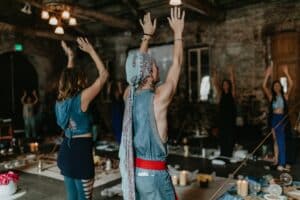
A study group can be more than a meeting. It needs a good plan. It needs clear jobs. It needs simple habits. These things change a group. It stops being just a pile of people. It becomes a living, learning group. Here is how to make a study group that lasts.
Simple Plans: The Path of Special Study
A good, steady plan helps people feel calm. It helps them focus. It helps them connect. This five-part plan is easy to change. It is also very strong.
- Arrive & Ground: First, shift your mind. Move from the outside world to the group space. You can take three shared breaths. You can turn off phones. You can have a moment of quiet.
- Open the Door: Mark the change into special study. You can light a candle. You can state the group rules. You can say a short, kind word.
- Shared Study: This is the main part. You read the text. You think in quiet. Then you share your new ideas.
- Feel & Seal: Anchor the learning. You can use a body move. You can say a short chant. You can share a sip of water. This helps the body remember.
- Closing: Return to normal time. Say thanks. Blow out the candle. Share a closing word.
Key Jobs: Leader, Guardian, Scribe
Clear jobs help the group stay safe and strong.
- Leader (or Facilitator): Guides the flow of the meeting. Watches the time. Makes sure every voice is heard.
- Guardian: Watches over the feelings. Makes sure people feel safe. Asks for breaks if needed.
- Scribe: Writes down the big ideas. This person makes a living record for the group.
It is very good to change these jobs often. When everyone takes a turn, no one is the “boss.” The group shares the work. Everyone becomes a leader. Everyone becomes a student. This makes the group’s base very strong.
A Made-Up Example: River Stones of Wisdom
Think about a study group. The scribe writes the big idea of the day on a smooth river stone. At the end of the class, each person gets a stone. It is a real thing. It reminds them of their shared path. It reminds them of the wisdom they made together. This simple act turns learning into memory. It turns memory into a group bond.
Small Acts to Make the Bond Deeper
- Element Blessing: Pass the book over smoke, flame, water, or a stone before you start.
- Good Questions: After sharing, each person names one question that is still in their mind.
- Give-Back: You can hum together. You can put a hand on your heart. This honors your teachers.
Be Kind and Open to All
- Always say where the ideas came from.
- Always ask before you do something. This is key for touch or for taking notes.
- Make the space easy for all. Have comfy seats. Do not use strong smells. Use plain words. Be open to different needs.
- Give water and tissues. Let people step out if they need to. Make it normal to “pass” if someone does not want to share.
Keeping the Bond: Staying in Touch Between Meetings
The power of a group act does not end. It does not stop when the candle is put out. The magic often happens in the quiet time. It happens in the time between the meetings. We see this in many classes. These small touch points, reminders, and shared stories keep the circle alive. They change quick meetings into lasting friendships.
When a group meets in a set way, each meeting is a safe home. But what keeps the learning strong? It is the gentle connection during the days apart. A simple one-line note in a group chat can help. It can be a phrase you all liked. It can be a question you all had. This small note can bring the feeling of the circle back. These are not just messages. They are sparks. They make you feel like you belong.
Think about a short voice note. A group member feels alone. They get a 60-second note from another person. The note shares how the last lesson is helping them. This short, kind gift can be a lifeline. It reminds the person that the group’s help is still there.
There are many creative ways to keep ideas alive. Some groups read the old notes before a new meeting. They can bring a story based on the last talk. Other groups have a fast check-in. It can be by text. It can be a shared quiet time. These acts do not need to be fancy. Their power is in doing them over and over.
The bond is also made strong when you honor the group’s past. You can look at old questions. You can share how the lessons are working in your real life. When you do this, the circle is more than a meeting. It becomes a living, breathing group. This ongoing link helps anchor the learning. It turns knowing into wisdom. It turns a special act into a real bond.
The circles that last are the ones that remember. The magic is not just in the meeting. It is in the care you give the bond after the meeting. We must care for these threads. We use reminders. We share stories. We check in. This way, the lessons are not left behind. They are carried forward. They are woven into our daily lives.
When study becomes a special act, the circle does not end. It lives on. It lives in every message. It lives in every memory. It lives in every moment you feel together. May these simple acts of connection keep the thread strong. May learning truly become living.
Group habits do more than just bring people together. They build strong links. They plant a feeling of belonging. They help us make memories. Learning alone cannot do this. It does not matter if you hold a book or a drum. A shared act can be a bridge. It is a bridge from knowing things to feeling like a family.
by The Acedemy of Oracle Arts