
Hand, Heart, and Hearth: How Sacred Art Becomes Ritual
It’s funny—my first attempt at making a clay bowl for my altar looked a bit like some ancient relic found half-buried in the backyard. But as my hands pressed and shaped that stubborn, earthy lump, something shifted: suddenly, it wasn’t just about ‘making a thing’—it felt oddly prayerful. Many who stumble onto sacred art discover this gentle magic: it’s not the perfect curve or flawless design that turns objects into ritual companions, but the intention, the time, and the odd burst of laughter when things go sideways. Could your own clumsy creations be the truest vessels for presence? Let’s dig in, flaws, fingerprints, and all.
Earth, Flame, and Meaning: Pottery as Ritual Objects
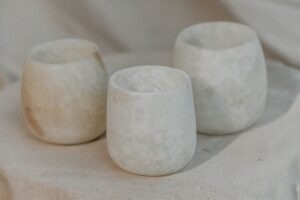
Pottery holds a unique place in sacred art, bridging the tangible earth and the transformative power of fire. When hands shape clay with intention, the process itself becomes a spiritual act—one that grounds the maker and infuses each vessel with meaning. Pottery is not just about creating objects; it is about forming connections: to the land, to tradition, and to the sacred.
Why Clay Connects Us
Clay is the body of the earth. Harvesting it is an act of respect and relationship. When one gathers clay, they are literally holding a piece of the land’s story. This direct contact grounds the maker, reminding them of their place within the cycles of nature. As the clay is cleaned and prepared, the potter is invited into a quiet dialogue with the earth, listening for its needs and responding with care.
Harvesting and Shaping as Spiritual Practice
- Gathering: Collecting clay from the earth is a mindful act. It can be accompanied by a simple offering or a whispered word of thanks to the land.
- Forming: As the potter pinches, coils, or shapes the clay, every movement is a meditation. The intention behind each curve—whether forming a bowl for water or a holder for incense—imbues the object with purpose.
- Firing: The kiln or open flame becomes a partner in transformation. Fire hardens the clay, sealing the maker’s intention into a lasting form.
The Magic of Imperfection
Handmade pottery carries the marks of its maker. Each fingerprint, each slight wobble or uneven edge, is a blessing—a visible reminder that the object was shaped by human hands and heart. In ritual, these imperfections are not flaws but signs of presence. They make each piece unique, a one-of-a-kind vessel for prayer, offering, or blessing.
When hands move with devotion—shaping clay, weaving fibers, painting symbols—the act becomes prayer, and the object becomes more than material: it becomes a vessel for presence.
Simple Ritual Tools for Modern Practice
Creating your own pottery for ritual use does not require a potter’s wheel or advanced skills. Even simple hand-built bowls, cups, or incense holders can serve as powerful ritual objects. The key is intention:
- Hand-built Bowls: Use for offerings, water, or sacred herbs. The act of forming the bowl is itself a prayer.
- Incense Holders: Shape a small dish or stand to hold incense. Each use becomes a renewal of your intention.
- Consecration: Once fired, bless your pottery with smoke, water, or song to awaken its sacred role.
In every step—from gathering clay to shaping and firing—pottery invites us to slow down, listen, and create with heart. Each vessel becomes a bridge between earth and spirit, ready to hold meaning in daily and ceremonial life.
Weaving Intention: Sacred Textiles and Threads of Prayer
When hands move with purpose, weaving fibers into form, each thread becomes a carrier of intention. Across cultures, sacred textiles are more than decoration—they are living prayers, holding stories, blessings, and spiritual meaning within their very structure. The act of weaving is a ritual in itself, transforming simple materials into objects of power and presence.
Textiles as Living Prayers
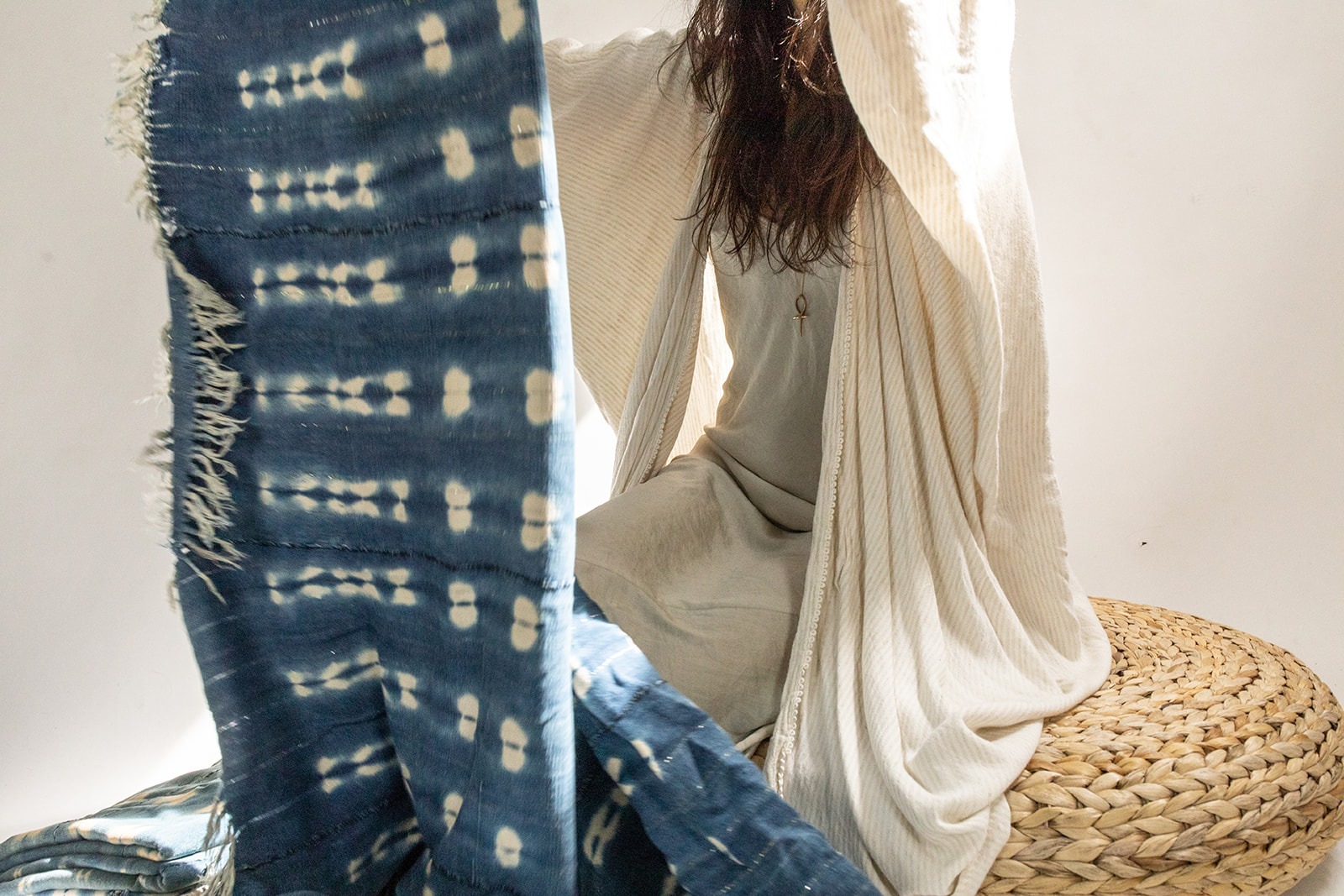
From Andean belts to Tibetan prayer flags, textiles have long served as vessels for spiritual energy. Patterns and colors are chosen not just for beauty, but for their symbolic resonance. Spirals may represent cycles of life, diamonds can signify clarity or vision, and stripes might stand for balance and harmony. Each motif is a silent prayer, woven into the fabric to carry blessings, protection, or gratitude.
“Weaving is both literal and symbolic: interlacing strands reflects how spirit, community, and cosmos are woven together.” — Sacred Art: Crafting Ritual Objects
Material Choices: Grounding Magic in the Everyday
The magic of sacred textiles begins with the materials. Choosing local wool, plant fibers, or even recycled fabrics connects the maker to the land and community. Natural dyes—such as indigo, madder, or walnut—add another layer of meaning, infusing the cloth with the energy of earth and plant allies. Even humble scraps can become powerful when used with intention.
- Wool: Warmth, protection, connection to animal spirits
- Plant fibers (cotton, linen, hemp): Purity, growth, grounding
- Recycled fabrics: Renewal, sustainability, honoring the past
Weaving as Ritual: Setting Intention with Every Thread
Before beginning, pause to set a clear intention. This can be a spoken prayer, a silent wish, or a dedication to a person, purpose, or deity. As the weaving progresses, each pass of the shuttle or knot of the thread becomes a meditation—anchoring the maker in rhythm and presence. The process itself is as important as the finished piece.
- Choose your materials with care, honoring their origin.
- Set your intention before you begin—what blessing or energy do you wish to weave in?
- Weave mindfully, letting each motion become a prayer.
Tiny Projects, Big Meaning: Everyday Sacred Textiles
Even small woven projects can hold deep spiritual power. Consider creating:
- Prayer ties: Small bundles of cloth filled with herbs, tied with intention, and offered to the land or altar.
- Altar cloths: Handwoven or repurposed fabric, set beneath sacred objects to create a space of focus and reverence.
- Talisman bands: Simple braided or woven cords, worn or carried as a reminder of your prayer or purpose.
In every sacred textile, the hand, heart, and spirit of the maker are woven in. These threads of prayer become bridges—connecting the everyday with the sacred, and the individual with the wider web of life.
Portal Paintings: When Imagery Meets Intention
In sacred art, painting is more than decoration—it is a ritual that transforms a blank surface into a portal. The process begins not with the first stroke of color, but with intention. Blessing the canvas or wood before painting is an act of honoring the creative journey. This simple gesture—brushing water across the surface, whispering a prayer, or lighting a candle—signals that the work to come is sacred. The blank space becomes a threshold, ready to receive meaning and presence.
Blessing the Blank Surface
Starting with a blessing grounds the artist and the artwork. It marks the transition from the ordinary to the sacred. This moment of pause invites focus and respect for the materials. Whether using canvas, wood, or stone, the act of blessing infuses the surface with intention. This energy lingers in every layer of paint, making the finished piece a vessel for presence rather than just pigment and form.
Symbols and Archetypes: Painting as Meditation
Portal paintings often feature symbols, archetypes, and visionary images. These are not just decorative—they are tools for meditation and spiritual connection. Mandalas, for example, use geometric patterns to represent wholeness and the universe. Dreamscapes and abstract forms can capture the essence of a vision or a message from the subconscious. Each brushstroke becomes a meditation, drawing the maker deeper into the mystery.
- Mandalas: Circles within circles, representing unity and the cycles of life.
- Visionary Images: Scenes from dreams or meditation, painted as invitations to contemplation.
- Archetypes: Universal symbols—like the tree of life, spirals, or eyes—used to anchor intention and invite transformation.
The Freedom of Process: Mixing, Layering, and Embracing Mistakes
Creating a portal painting is not about perfection. The process itself is a form of discovery. Mixing media—combining watercolor, ink, collage, or natural pigments—can unlock new layers of meaning. Layering colors allows for depth and surprise, as each application interacts with what came before. Mistakes are not failures; they are guides. A misplaced line or unexpected color can reveal a new direction, teaching the artist to trust the unfolding.
- Mixing Media: Use whatever materials call to you—acrylics, pastels, earth pigments, or even found objects.
- Layering Colors: Build the image slowly, letting each layer dry and reveal its own story.
- Letting Go: If a mistake happens, pause and observe. Sometimes, the error becomes the heart of the piece.
Using Portal Paintings in Ritual
Once complete, a portal painting can serve many roles: as a meditation focus, an altar piece, or a visual oracle. Place it where you practice ritual or reflection. Let its imagery guide your thoughts and intentions. Over time, the painting becomes a living ally, holding the energy of every prayer, every moment of creation, and every act of devotion poured into its making.
Wild Cards: Consecration, Connection, and the ‘Oops’ Blessing
In the world of sacred art, the moment of completion is never just about finishing a project—it’s about transformation. Consecration is the ritual that turns a handmade bowl, woven band, or painted icon into a vessel of spirit. This act can be as simple as singing over your finished object, blessing it with water, wafting smoke, or lighting a candle beside it. Each method is a way of saying, “This is now more than material. This is an ally in my practice.”
Think of crafting as a recipe. Sometimes, you follow every step with care, measuring and mixing with intention. Other times, you might forget the salt, or the dough rises in an unexpected way. Yet, even with these surprises, the meal still nourishes. Sacred art is the same. The ‘oops’ moments—when the clay cracks, the thread tangles, or the paint drips—often become the most meaningful parts of the ritual. These wild cards are not mistakes; they are invitations to presence, reminders that perfection is not the goal. The spirit of the work lives in the process, not just the outcome.
Consecration is also about connection. When you bless your creation, you connect with the materials, the land they came from, and the unseen forces that inspire you. Some artisans whisper gratitude to the clay, thank the sheep for its wool, or acknowledge the plants that gave their color to the paint. Others offer a quiet word to their muse, even if inspiration only arrives in the quiet hours of the night. This reciprocity—giving thanks and honoring the sources—deepens the relationship between maker, material, and mystery.
There is no single right way to consecrate a ritual object. What matters is the intention behind the act. You might sing a song that feels sacred, sprinkle water as a blessing, or pass your creation through incense smoke. You might simply hold it in your hands and breathe your hopes into it. Each gesture is a way of awakening the object’s purpose and inviting it to serve as a bridge between the everyday and the sacred.
In the end, sacred craft is less about flawless technique and more about wholehearted engagement. The bowl that wobbles, the weaving with a skipped thread, the painting with a smudge—these are not failures, but evidence of life and devotion. The ‘oops’ blessing is the grace that turns imperfection into beauty, and process into prayer.
As you shape, weave, or paint, remember to pause and offer gratitude—for the earth, the fibers, the colors, and the spark of inspiration. Consecrate your work with whatever ritual feels true, and trust that even the wild cards have their place. In every act of making, you are not just crafting an object; you are weaving connection, blessing, and presence into the world.
Crafting ritual objects isn’t about perfection—it’s about devotion, intention, and the unique imprint of your hands. Whether you sculpt, weave, or paint, let the process be your prayer.
by The Acedemy of Oracle Arts