
Ritual Technology at Home: A 6-Week Plan to Build a Sustainable Practice
Most people don’t need more spiritual information. They need a repeatable structure that helps them show up when life is messy.
At the Academy of Oracle Arts, we treat practice as a craft: rhythm, ethics, and integration. If you’re new here, you can start with Our Story to understand the Academy’s approach.
Quick answer
Here’s ritual technology as a home practice: simple enough to sustain, deep enough to change you.
What you’ll learn in this guide
- A simple ritual template you can repeat at home.
- A 6-week plan that builds consistency over intensity.
- How to close rituals so you stay grounded.
What this is (and what it isn’t)
- This is a practical approach to ritual technology focused on discernment and real-world change.
- This is not a promise of instant results, supernatural certainty, or identity-based “spiritual status.”
- If you’re working with high-stakes topics (health, legal, safety), use professional support and keep divination reflective.
The The 4-Part Ritual Template
If you want a container that makes practice consistent, explore Self-Study Courses or join Classes & Courses for guided study. Use the framework below as your baseline.
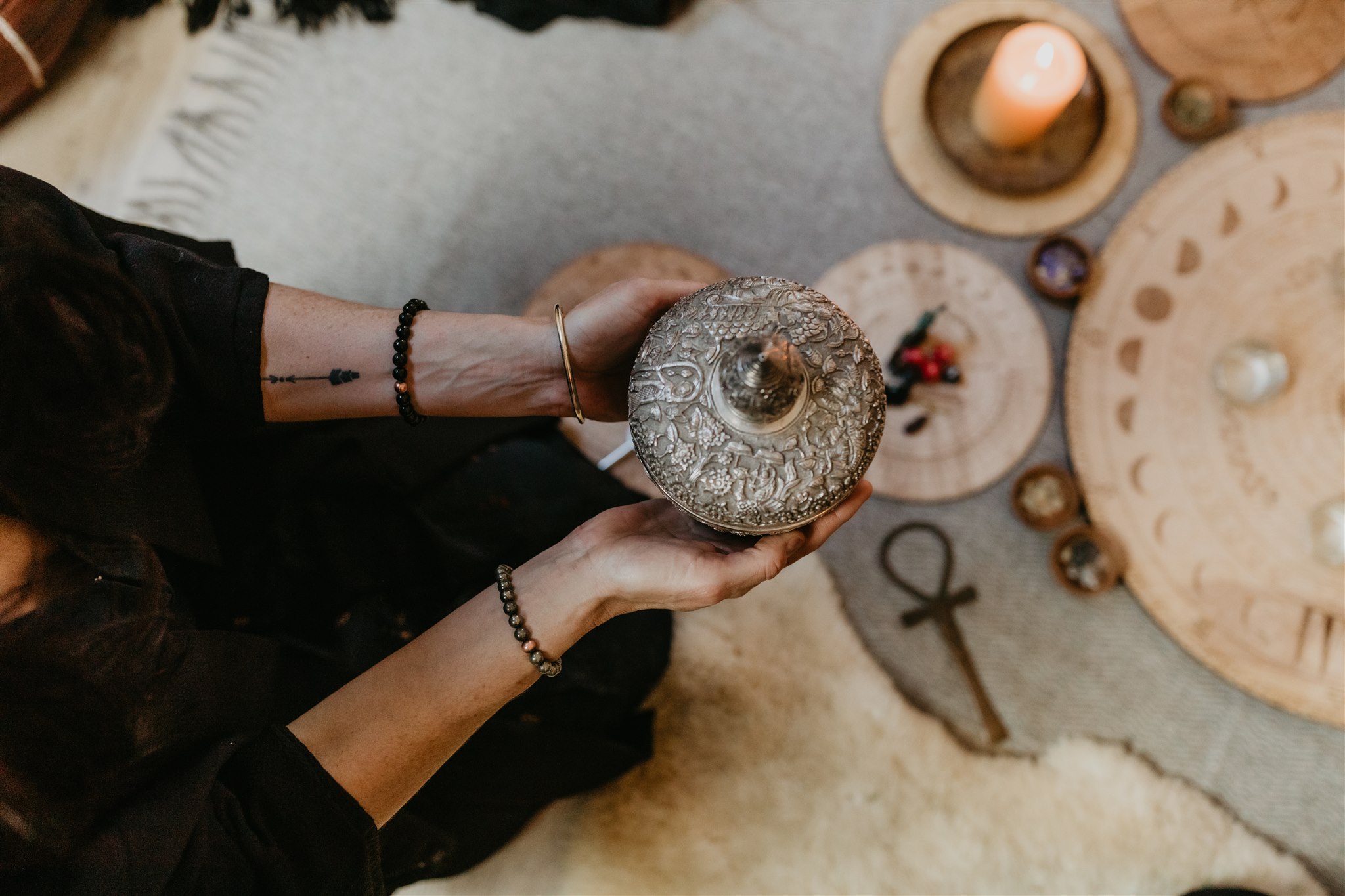
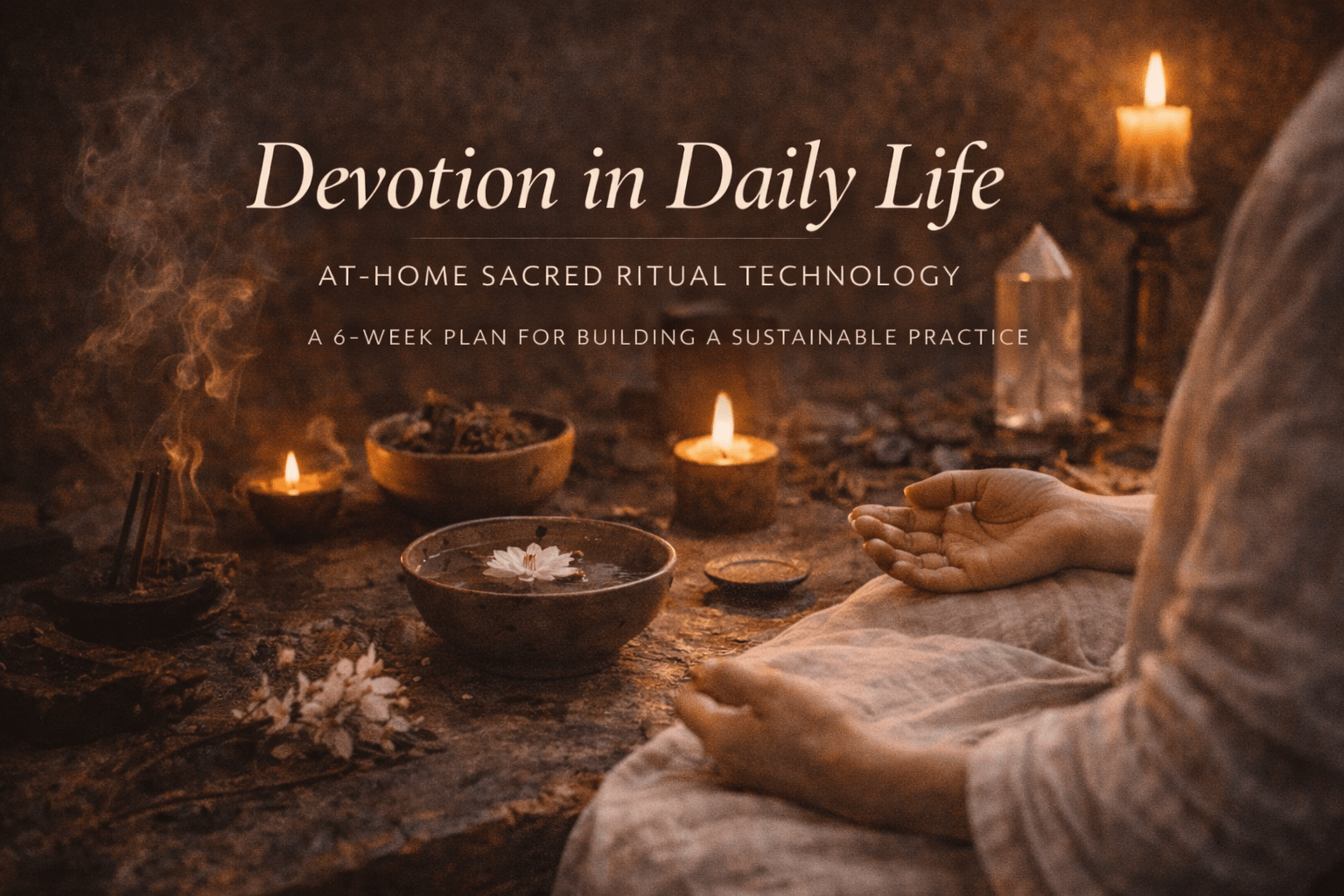
- Open — Threshold: Mark intentional time (breath, candle, vow).
- Attend — Listening: One question, one symbol, one honest reflection.
- Act — Offering: One act of reciprocity or responsibility.
- Close — Integration: Name one action and end cleanly.
6-Week Ritual Plan
- Week 1: Keep it tiny (10 minutes). Goal: consistency, not depth.
- Week 2: Add journaling (3 lines of truth + 1 next action).
- Week 3: Add reciprocity (water offering, gratitude, small service).
- Week 4: Add a weekly review (patterns noticed, actions taken).
- Week 5: Add one boundary (no reading when dysregulated, no spiraling).
- Week 6: Design your ongoing rhythm (weekly + one monthly deeper ritual).
Common mistakes (and how to avoid them)
- Building rituals too big to sustain.
- Never closing the ritual—leaving yourself “open” and scattered.
- Using ritual to avoid action or accountability.
- Changing the practice daily and never building rhythm.
Continue your study with the Academy of Oracle Arts
- Use Self-Study Courses to establish a sustainable home rhythm.
- Deepen with live Classes & Courses when you’re ready for community container.
- If you’re near Nevada City, practice in person at Studio Omari.
- For long-form ritual leadership formation, explore the Oracle Arts Apprenticeship.
by The Acedemy of Oracle Arts