
Rooted in the Infinite: Modern Paths on the Tree of Life
It is early in the morning. The world feels very big. It also feels very small. I remember one morning last winter. I remember it very well. I had not had coffee. I had not talked to anyone. I closed my eyes. I tried to feel a line. It felt like a line I could not see. It seemed to connect my heart to the quiet, starry sky. That is how I learned about the Tree of Life. I learned by accident. It is a living plan. It is a plan for growing. It is not just in old books. It is not just for secret groups. This post is for you. It is for anyone who has ever wondered. Can deep wisdom find a place in messy, normal days?
The Tree in a New Way: Daily Life and the Ten Sephiroth.
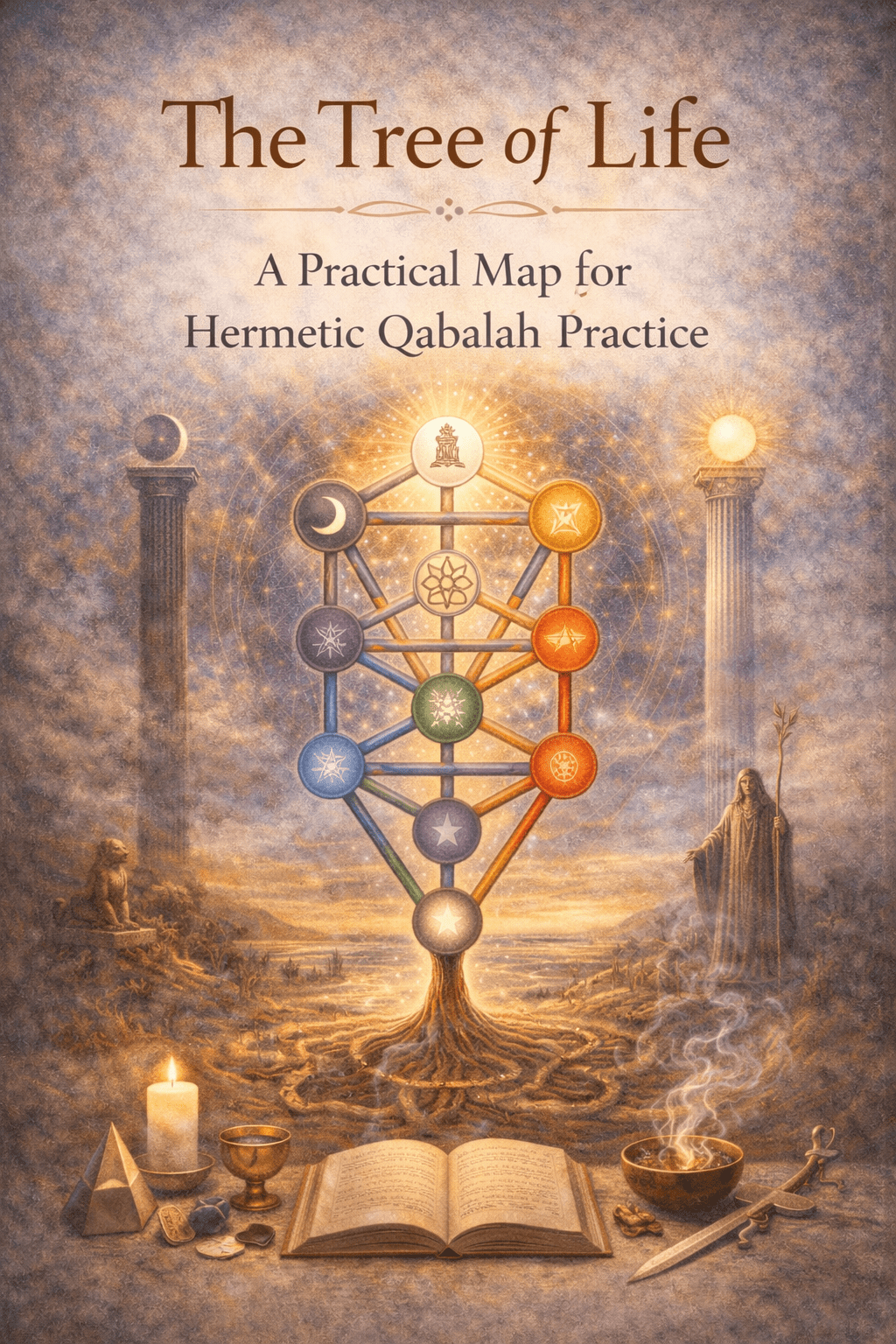
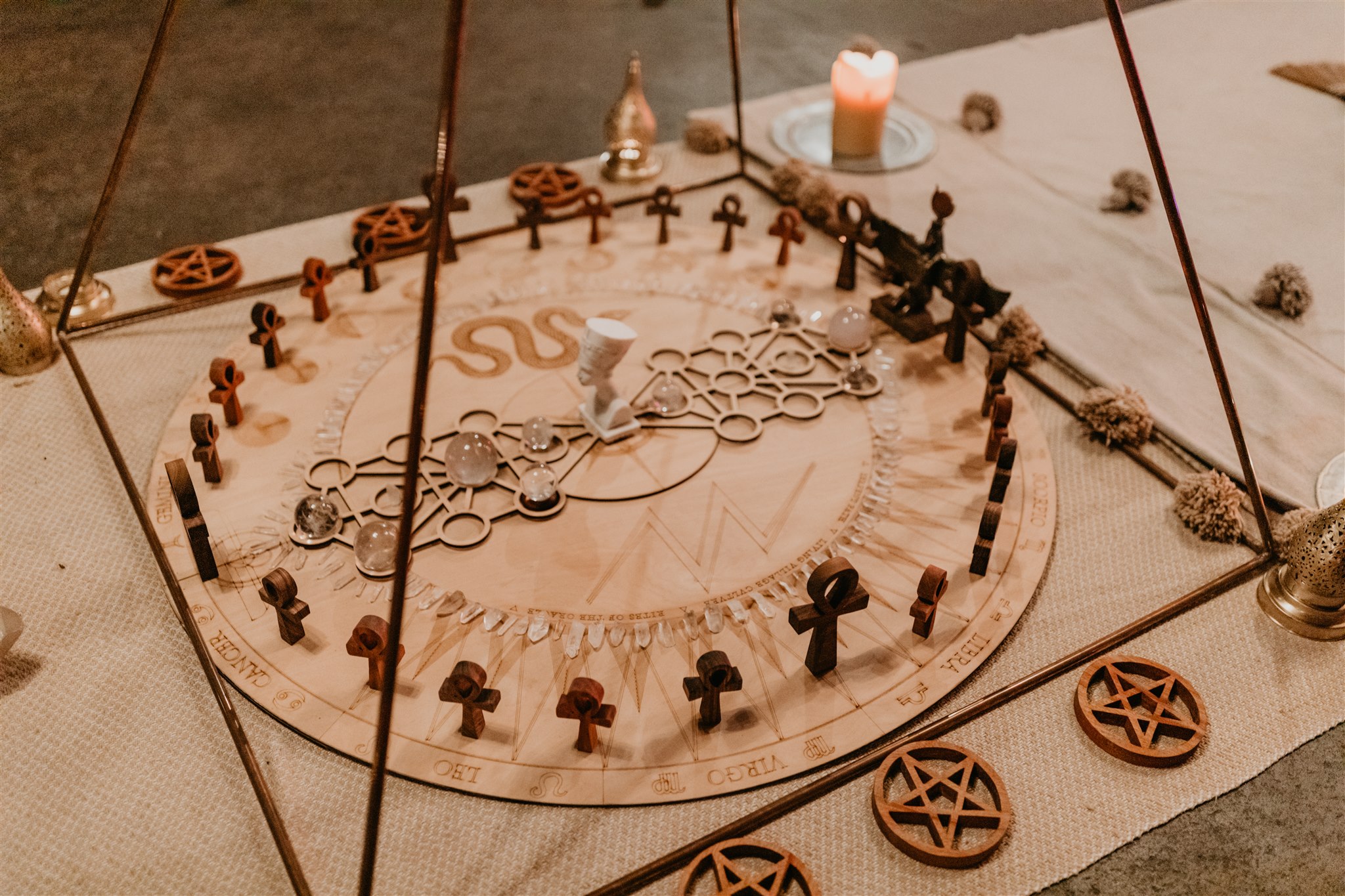
The Tree of Life is often shown as an old drawing. But it is really a living map. It is a map that moves. It moves between your heart and the stars. It guides each person. It guides them to feel whole. The Tree is not just a hard idea. The Tree copies our own growth. It does this in very real ways.
It has ten parts. These are called the Sephiroth. They go from Keter at the top to Malkuth at the bottom. Each part shows us something about our lives. They show us qualities. They show us choices we make every day. These are things like feelings, limits, new ideas, and actions.
New studies show that spiritual actions can help us. Actions like breathing and picturing things in our minds are key parts of Qabalah. These actions can help our nerves work together. They can even change the paths in our brain. This means that using the Tree of Life is not just about learning names. It is about making our minds calm. It helps us feel calm in a world that often feels messy. The Tree becomes a tool. It is a tool for change. It is not just for thinking.
Each part of the Tree has a special meaning for us. Here is what they mean:
- Keter (Crown): This is a spark of an idea. It is a feeling of purpose. It comes to you when things are quiet. You can ask, “What good idea came to me today?”
- Chokmah (Wisdom): This is a quick feeling. It is when you know something before you can explain it. You can ask, “When did I know something fast today?”
- Binah (Understanding): This is the power to make ideas real. It gives shape to a new idea. You can ask, “How did I make a plan for my idea?”
- Chesed (Mercy): This is kindness. It is giving help just because you want to. You can ask, “Where did I give freely today?”
- Geburah (Strength): This is being brave. It is the courage to set limits. It is saying “no” in a kind way. You can ask, “What did I need to say ‘no’ to today?”
- Tiphereth (Beauty): This is acting from your heart. It is not acting from your ego. You can ask, “How did I act from my true self today?”
- Netzach (Eternity): This is the flow of new ideas. It is feeling excited about something. You can ask, “What made me feel excited today?”
- Hod (Splendor): This is clear thinking. It is using details to make a good plan. You can ask, “What details helped my plan today?”
- Yesod (Foundation): This is about your dreams. It is about the feelings under the surface. You can ask, “What feelings did I notice in myself today?”
- Malkuth (Kingdom): This is about taking action. It is making your good plans happen in the world. You can ask, “How did I make my hopes real today?”
These questions help link deep wisdom to your normal life. For example, think about a time you talked with a friend. Maybe you did not agree on something. But you learned something new. You had to explain your side. You had to listen to their side. This work helped you see things in a new way. That is a “Hod” moment. It is a flash of clear thinking. Your mind got sharper. You both understood more. This is the Tree working in real life. It is not just an idea. It is part of the flow of talking and growing.
The Tree of Life asks us to see these moments. It shows us they are steps on a path. We can think about our day using these ten parts. When we do, our own growth feels more real. It feels easy to find. It feels rooted in the patterns of our normal lives.
Breath, Pictures, and Science: Why Doing This Matters Now
For many years, wise people have talked about the Tree of Life. They said it was not just a picture. They said it was a living plan that is inside each of us. Today, science is starting to agree. Science shows that simple actions can change our brains. These actions are things like breathing and picturing things in our minds.
Studies show that focused breathing helps our nerves. It helps them work together. Picturing things in our minds can reshape the paths in our brain. This helps us heal from bad feelings. It makes us stronger. This is not just an idea. It connects old wisdom with today’s science.
In the language of Qabalah, every breath is a step. Every picture in our mind is a step. They are steps on the Tree’s paths. The ten sephiroth are the ten parts of the Tree. They are not just old ideas. They are invitations. They ask us to bring good things into our lives. Things like wisdom, kindness, and strength.
We do not need to just learn old words or signs. The focus now is on doing things. We can do real, simple actions. These actions help us feel calm inside. This is very helpful in our busy world.
- Lightning-Flash Breath (Morning): This is a three-minute action. It is very simple. Trace your breath from the top of your head (Keter). Follow it down to your feet (Malkuth). Then breathe out and trace it back up. Do this five times each morning. It can help you ground your plans. It helps you feel good in your body. Studies show this kind of breathing can lower stress. It can help you think more clearly.
- Yesod Dream Book (Nightly): Do this before you sleep. Place a moonstone under your pillow. When you wake up, write down one thing from your dreams. It can be a picture or a feeling. If you do this for a while, you will see patterns. You can match these patterns to the parts of the Tree. This helps you understand your own mind. I tried this. I used a moonstone for a week. I started to see the same things in my dreams. It showed me how my mind was talking to me in signs.
These daily and nightly actions are tools. They help us live in our complex world. Quick, simple actions like these can make real changes. They can change your mood. They can help you focus. They can help you understand yourself. Even small acts can help. You can write down feelings at sunset. You can stretch before bed. These small things help turn the Tree of Life from an idea into a real part of your life.
What if we could add practice into our most normal moments? Think about checking your phone. What if that became a small ritual? You could stop for a second. You could take a breath. You could check in with yourself. Then you could react. This playful idea turns normal habits into mindful moments. It matches the old idea that every action can be a step toward feeling whole.
The Tree of Life, then, is not just a drawing. It is a living map. It guides each person. It helps us find balance, insight, and connection. Science keeps proving that these old actions work. Breathing, picturing, and rituals have power. The call is clear. Practice matters now more than ever. It matters for spirit growth. It also matters for facing the problems of today.
Hidden Paths: Da’ath, Doubt, and the Art of the Pause
In the map of the Tree of Life, there is a strange spot. It is called Da’ath. It is not counted as one of the ten main parts. Yet it sits quietly between other spots. It is like a silent breath. You hold that breath before you speak a word. In Qabalah, Da’ath is called the “Knowledge Sphere.” But it is not the kind of knowledge you think of. Instead, it is the space of “not-knowing.” It is the empty space. It is the void between understanding something and finding a new answer. Some old teachings say it is “the pregnant pause before insight.”
People today may find Da’ath hard to understand. There are no special rituals or prayers just for it. It is often left off of the drawings. Yet, studies show that pausing is a very good thing to do. Making space between a thing that happens and how you react can change you. In science, this pause helps the brain. It lets the brain shift from a quick reaction to a smart choice. In spiritual practice, Da’ath is that in-between moment. An idea is floating. It is not yet clear. It is right before it becomes a clear word or action.
Here is a simple practice you can try. It is based on this hidden path. Before you make a big choice, do this. Sit in the dark for two minutes. Close your eyes. Picture a black ball at your throat. This is where Da’ath is said to be. Ask yourself one question. Then just wait. Trust the first picture, word, or feeling that comes. This act of pausing helps. Sitting in the unknown can give you answers. Looking for answers online all day may not help at all. As one person said, “Sitting in ‘not-knowing’ lately felt more helpful. It was better than any answer I rushed to find.”
What if we did this more? What if we paused in Da’ath before big choices? What if we did this instead of just scrolling on our phones? The world might slow down. It might slow down just for a moment. Our choices could be more careful. They could be less reactive. This is not about avoiding action. It is about honoring the space. This is the space where real, new ideas are born. The Tree of Life is a living map. It is not just a drawing. It asks each person to move with care. It helps us move even when we are not sure.
Da’ath’s job is to be a bridge. This idea is found in old stories and in new science. Studies show that practices like breathing and picturing help. These are core parts of Qabalah. They help calm our nerves. They help us think clearly. By using the pause, people can find a deeper wisdom. This is a wisdom you cannot always get with just logic. The Academy of Oracle Arts, for example, helps students use the Tree. It is a map for looking at these inner worlds. It helps balance energy. It helps deepen spiritual practice.
In daily life, Da’ath can be a reminder. It reminds us that not every question needs a fast answer. Sometimes, the deepest growth happens in the space between. The next time you feel unsure, try this. Try pausing in the darkness. Let the question hang in the quiet. Trust that a new idea will come. It will often come more quietly and clearly than you expect.
Invitation Forward: Mixing Wisdom, New Practice, and Friends
The Tree of Life is part of Qabalah. It is not just a thing from the past. It is not a sign locked in old books. Instead, it is a living, breathing map. It moves between our normal lives and the wide, open universe. It asks each person to step into a fuller life.
What makes this path so great for today? It is great because it can change. It is very easy to bend. Studies show the Tree’s wisdom can mix very well. It can mix with any other way of thinking. It can work with Buddhist, Christian, or science-based beliefs. It can work with art. This is not just an idea. It is a real-life fact. Many people have found ways to use these old ideas in their daily lives. It does not matter what they believed before.
The Academy of Oracle Arts uses this open method. Their classes are made to guide students. They guide them through the Tree of Life. They see it as both an old story and a real tool. The Academy does not ask you to know Hebrew. It does not ask you to know about magic. It asks learners to start right where they are. The Tree, after all, shows us patterns we already know. We know the spark of a new idea. We know we need to set limits. We know we are called to be kind.
Studies show that spiritual practices are helpful. Things like breathing, picturing, and writing are key parts of Qabalah. They are now known to help people. They help us feel calm inside. They help us be strong in messy times.
A common worry for new people is about special knowledge. Do they need to know special things to start? The answer is simple: no. The Tree of Life is open to all. If one part feels hard, you can use another. For example, the part called Geburah (Strength) might feel hard. You can then use its opposite. That part is Chesed (Kindness). This helps you find balance. This back-and-forth is the heart of the practice. As one Academy teacher says, “Kindness makes hard edges soft. Every time you feel stuck, it is a call to find its balance.” The Tree is not a hard ladder. It is a living thing. It is always asking us to find new ways to live.
For those who want to go deeper, the Academy of Oracle Arts can help. It offers classes you can take at your own speed. It also offers training for the next Oracle Arts Apprenticeship. These programs treat the Tree as a daily practice. It is not just a map of the stars. It helps with personal growth. It helps with spiritual insight. It helps you feel like you belong to a group.
Are you looking for a way to ground your spirit in daily life? Do you want to learn about the hidden path of Da’ath? Do you just want to find a way to add more meaning to your life? The door is open.
In the end, the Tree of Life stands as a bridge. It is rooted in old wisdom. But it is open to every new path. Its branches reach out. They reach across all beliefs. They offer a map for anyone ready to look inside. As you walk this path, may your roots in daily life keep you steady. May your head be open to new ideas. And may each step bring you closer to the great light inside you.
The Tree of Life is not just an old sign. It is a real guide. It helps you ground your deep thoughts into your daily habits. Even people who are new to Qabalah can start. You can start with breath. You can start with curiosity. You can start by just paying attention.
by The Acedemy of Oracle Arts