
Walking the Sacred Tightrope: How Prayer and Spellwork Weave Our Intentions Into Reality
Nobody warned me that burning a candle during my midnight study sessions might spiral into a life-long fascination with both prayer and spellwork. What started as a quirky focus trick (light a tealight, recite a mantra) became my gateway into a tug-of-war: Should I ask the universe or shape it myself? Everyone, I discovered, seems to debate whether prayer and spellwork are diametrically opposed or two hands on the same cosmic steering wheel. Let’s explore their dance—their quirks, contrasts, and unexpected overlaps—so you can decide which language of the sacred is yours to speak (or maybe, invent your own).
Unmasking Prayer: More Than Pleas and Quietude
Prayer is often misunderstood as little more than a whispered wish or a plea for help. In truth, it is a rich, multi-layered practice that extends far beyond simple requests. At its heart, prayer is a dynamic exchange—a surrender, a longing, or a declaration of gratitude that connects the individual with something greater, whether that be the divine, ancestors, or the higher self.
Unlike the stereotype of prayer as passive or rote, its forms are as varied as the people who practice it. Some prayers are sung, their melodies rising like incense. Others are spoken aloud, whispered in the quiet of night, or even woven into movement—such as walking a labyrinth, dancing, or mindful breathing. Each form is a vessel for intention, shaped by culture, tradition, and personal experience.
Consider the memory of a grandmother’s bedtime prayers. To a child, her low, steady voice in the darkness felt as powerful as any spell cast in a storybook. The hush of the room, the careful folding of hands, and the gentle cadence of her words created a sense of mystery and sacredness. In that moment, prayer was not just a request—it was a bridge to something unseen, a way of weaving comfort and hope into the fabric of daily life.
- Humility: Prayer often begins with an acknowledgment of one’s limitations and a willingness to listen. This humility opens the heart to guidance and grace.
- Receptivity: While prayer can be expressive—filled with words or song—it is equally about receiving. Silence, stillness, and attentive listening are as vital as spoken petitions.
- Relationship-building: At its core, prayer is relational. It nurtures a living connection with the divine, ancestors, or the inner self, fostering trust and mutual recognition.
Prayer is not confined to any one tradition or belief system. It adapts to the needs of the moment, whether through a formal liturgy, a spontaneous outpouring of emotion, or a quiet meditation. Some find prayer in the rhythm of breath, others in the sway of dance or the repetition of sacred words. The common thread is intention—an inner focus that seeks alignment with forces beyond the self.
Through prayer, individuals cultivate qualities that support spiritual growth: patience, gratitude, and the courage to surrender outcomes. Rather than demanding results, prayer often invites acceptance, trust, and a sense of belonging. It is a practice that strengthens the mind, calms the spirit, and opens channels to insight and grace.
“Prayer is not asking. It is a longing of the soul. It is daily admission of one’s weakness. It is better in prayer to have a heart without words than words without a heart.” — Mahatma Gandhi
Ultimately, prayer is more than a ritual of words—it is a living dialogue, a sacred act of reaching out and listening in return. Whether voiced in song, shaped in silence, or danced in movement, prayer remains a timeless way to build relationship with the sacred and to anchor intention in the present moment.
Spellwork: When Will Meets Ritual
Spellwork is often misunderstood as something mystical or theatrical—think wands, dramatic words, or secret potions. In reality, spellwork is a grounded practice where focused intention meets symbolic action through ritual. It is less about spectacle and more about channeling personal will into the world in a deliberate, meaningful way.
At its core, spellwork is the art of shaping reality by combining inner desire with outward action. Unlike passive wishing, spellwork requires the practitioner to become an active participant in the process of change. This is achieved by pairing intention with ritual—using physical objects, gestures, and timing to give form to what is hoped for or needed.
Key Elements of Spellwork
- Focused Intention: Every spell begins with clarity about the desired outcome. The more specific and heartfelt the intention, the more effective the spellwork becomes.
- Symbolic Action: Rituals use symbols—like candles, herbs, written words, or charms—to represent and anchor the intention in the material world.
- Ritual Precision: Attention to detail matters. The way a candle is dressed, the words spoken, or the timing of the ritual all contribute to the spell’s power.
Common Spellwork Techniques
- Candle Spells: Lighting a candle of a specific color, inscribing it with a wish, and letting it burn as you focus on your goal. For example, a green candle for prosperity, carved with a financial wish, and allowed to melt as you visualize abundance.
- Written Petitions: Writing your intention on paper, folding it in a certain way, and placing it under a candle, stone, or in a special place to let the energy build.
- Seasonal Rites: Performing rituals in harmony with the cycles of nature—such as planting seeds at spring equinox to symbolize new beginnings.
- Charms and Talismans: Creating or charging objects to carry your intention with you, such as a pouch of herbs for protection or a coin for luck.
Spellwork in Action: A Simple Example
Imagine you wish to attract growth or opportunity. You might:
- Choose a green candle (symbolizing growth).
- Carve your wish or goal into the wax.
- Light the candle, focusing on your intention as the flame burns.
- Let the wax melt completely, visualizing your desire taking root in reality.
This process is more than a ritual—it is a way of bridging inner vision with outer manifestation.
The Power of Will, Agency, and Ritual
Spellwork empowers the practitioner to take agency over their desires. It is not about controlling others or forcing outcomes, but about aligning personal will with the natural flow of energy. Will, agency, and ritual precision are the tools that shape outcomes, turning hopes into tangible change. Unlike idle daydreams, spellwork grounds intention in action, making the unseen seen—one candle, one word, one ritual at a time.
Where the Paths Meet: Shared Sacred Ground and Stark Contrasts
At first glance, prayer and spellwork may seem like opposite ends of the spiritual spectrum. Yet, when examined closely, both practices rest on a shared foundation: intention. The clarity of what is asked or invoked shapes the outcome, whether one is whispering a prayer or chanting a spell. This shared ground reveals itself most clearly in the rituals people use to set intentions, blurring the lines between the two paths.
Consider a group gathered for a midnight candle vigil. Some participants close their eyes and offer silent prayers, seeking guidance or comfort from the divine. Others quietly murmur spells, focusing on manifesting change through symbolic action. Despite their different approaches, all feel the atmosphere shift—a collective sense of hope and possibility fills the space. In such moments, the distinction between prayer and spellwork becomes less important than the shared act of reaching beyond the ordinary to shape reality.
Shared Sacred Ground
- Intention as the fulcrum: Both practices begin with a clear intention. Whether spoken, written, or felt, the focus of the heart and mind is what gives power to the act.
- Ritualized language: Formulaic prayers and spell chants both use repetitive, rhythmic language to deepen focus and signal sacredness.
- Faith and focus: Both require belief that unseen forces can influence the visible world. This faith—whether in a deity, the cosmos, or the self—fuels the practice.
- Solitary or communal: Either can be practiced alone or in groups, with simple gestures or elaborate ceremonies.
- Relationship: Both are sustained by relationship—prayer with the divine or ancestors, spellwork with nature or cosmic forces.
Stark Contrasts
| Aspect | Prayer | Spellwork |
| Orientation | Surrender to divine will | Directive shaping of energy |
| Tools | Words, silence, sacred texts | Candles, herbs, symbols |
| Mode | Receptive, relational | Active, operational |
| Emphasis | Faith, humility, devotion | Will, focus, ritual control |
Prayer is fundamentally an act of surrender. It leans on faith, humility, and devotion, inviting a higher power to guide the outcome. Spellwork, on the other hand, is about agency. It prizes focused will and ritual precision, seeking to direct energy toward a specific result. While prayer opens channels to grace, spellwork grounds desire into tangible form.
Yet, the boundary is not always clear. A whispered prayer and a softly chanted spell can look and feel remarkably alike. Both can be acts of hope, healing, or transformation. The difference lies in orientation: prayer trusts the wisdom of the divine, while spellwork trusts the power of intention and action.
Ultimately, both practices invite us to walk a sacred tightrope—balancing surrender and agency, faith and focus, as we weave our intentions into reality.
Walking the Middle Path: Blending Prayer and Spellwork Without Tripping Over Spiritual Shoelaces
At first glance, prayer and spellwork may seem like two separate roads leading to different destinations. Yet, when examined closely, they are simply different expressions of the same desire: to shape reality through intention, connection, and action. Walking the middle path means recognizing that both practices can be woven together, creating a richer, more balanced spiritual journey.
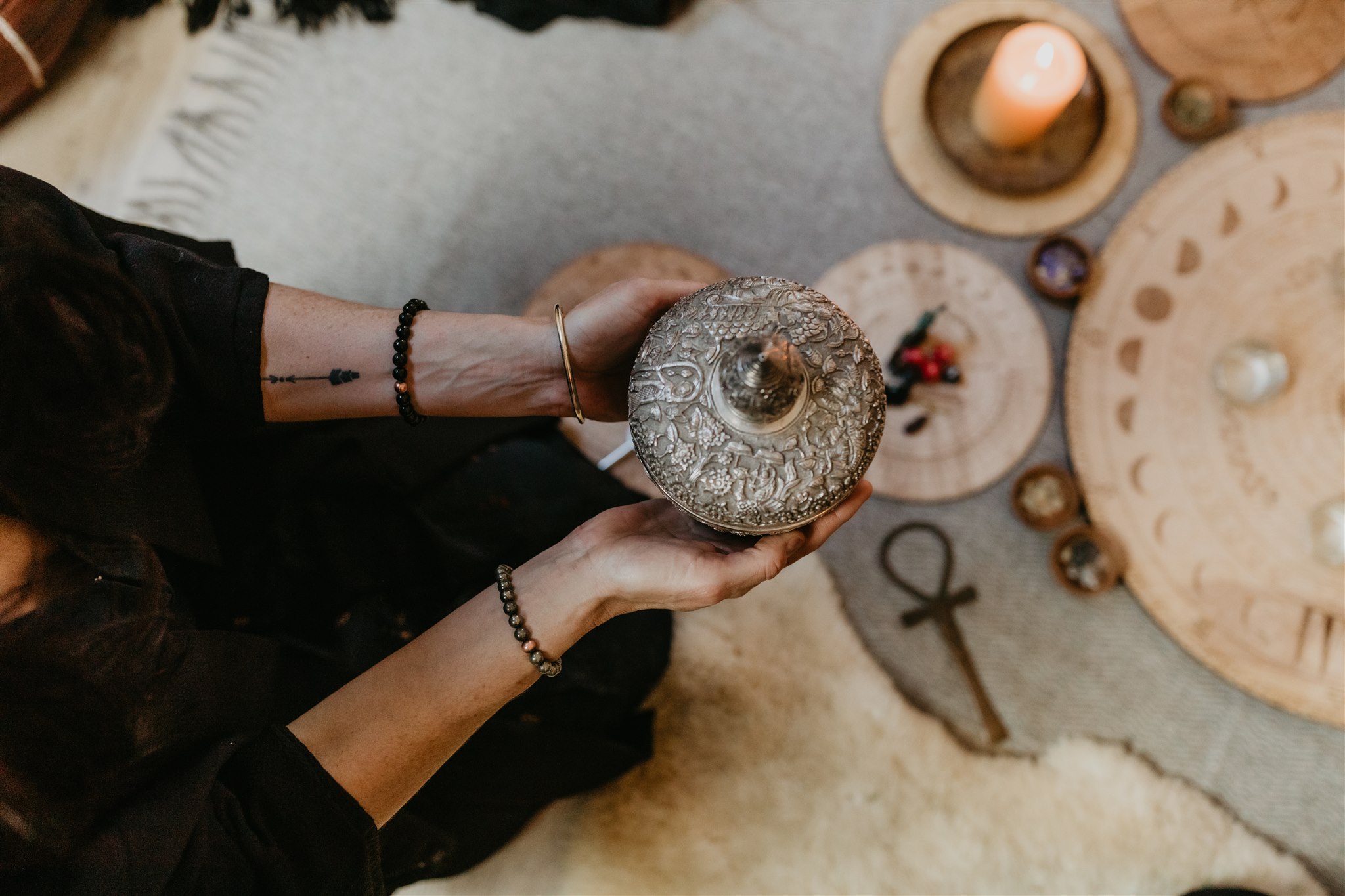
Combining prayer and spellwork begins with mindfulness. Opening with prayer—whether spoken, sung, or held in silent thought—aligns the heart with the divine, ancestors, or higher self. This moment of surrender and gratitude creates a sacred space, inviting guidance and clarity. Next, spellwork grounds this intention through symbolic action. Lighting a candle, writing down a wish, or arranging meaningful objects channels focused will into the physical world. Finally, closing with gratitude and trust—perhaps by sitting in quiet reflection—seals the practice, allowing the outcome to unfold in its own time.
A simple example illustrates this blend: One might light a candle as a spell, offer thanks and a request to the divine as prayer, write an intention on paper and place it beneath the candle as spellwork, and then sit in silence, trusting the process as an act of prayerful surrender. This joint journey honors both agency and openness, teaching that true spiritual growth comes from balancing action with acceptance of the unknown.
Walking this sacred tightrope also means practicing discernment. It is easy to lean too far into control—trying to force outcomes through sheer will—or to become passive, waiting for answers without taking steps. The healthiest path lies in the middle: acting with intention, yet remaining open to mystery. This balance not only enhances spiritual growth but also deepens trust in the unfolding of life.
Ethics play a crucial role in this integration. Both prayer and spellwork must respect the autonomy of others; directing energy to influence someone’s will without consent is a line best not crossed. Cultural respect is equally important. Many spiritual practices have deep roots in specific traditions. Borrowing elements should be done with honor and awareness, not appropriation. Adapting universal principles is encouraged, but always with acknowledgment of their origins.
Finally, grounding spiritual work with practical steps is essential. A prayer for abundance or a prosperity spell is most powerful when paired with responsible action—such as budgeting, seeking opportunities, or sharing resources. Spiritual intention sets the stage, but real-world effort brings results into being.
In weaving prayer and spellwork together, seekers find a middle path where will and surrender walk hand in hand. This approach not only shapes intentions into reality but also fosters a deeper relationship with the sacred, the self, and the world. May your prayers rise like incense, your spells root like seeds, and your journey be guided by both devotion and wise action.
Prayer and spellwork both let us shape reality, but the magic is in their blend: surrender and agency, will and wonder. Choose what calls to you, or walk the middle path.
by The Acedemy of Oracle Arts