
What Is Ritual Theater and Why It Heals
Ritual theater is a deep and beautiful art. It is part play, part prayer, part healing. It has been used by human beings for thousands of years to shift the inner world of a person or a group. This post will break down what ritual theater is and why it can heal in ways that few other tools can.
A Simple Meaning
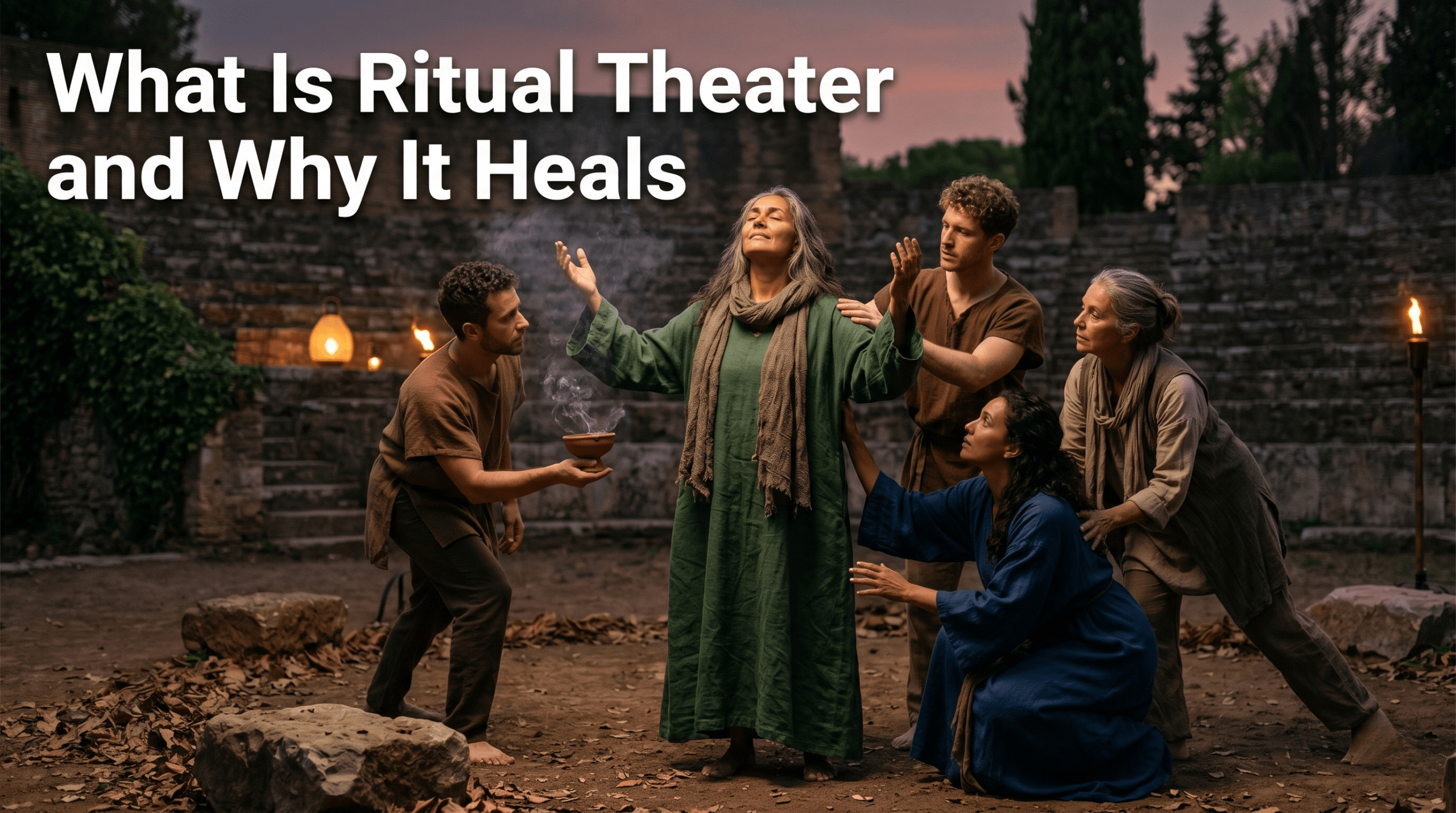
Ritual theater is the use of drama, story, movement, and sound as sacred tools. In a ritual theater piece, the actors are not just putting on a show. They are doing deep inner work. The audience is not just watching. They are part of a shared sacred time.
It is not the same as a play in a city theater. It is not about fancy sets or big names. It is about the heart of the story and the deep change it brings to those who live it.
A Short History
Ritual theater is one of the oldest forms of theater. In fact, all theater began as ritual. In old Greece, plays were held as part of rites to honor the god Dionysus. The audience was there to share in a sacred act, not just to be entertained.
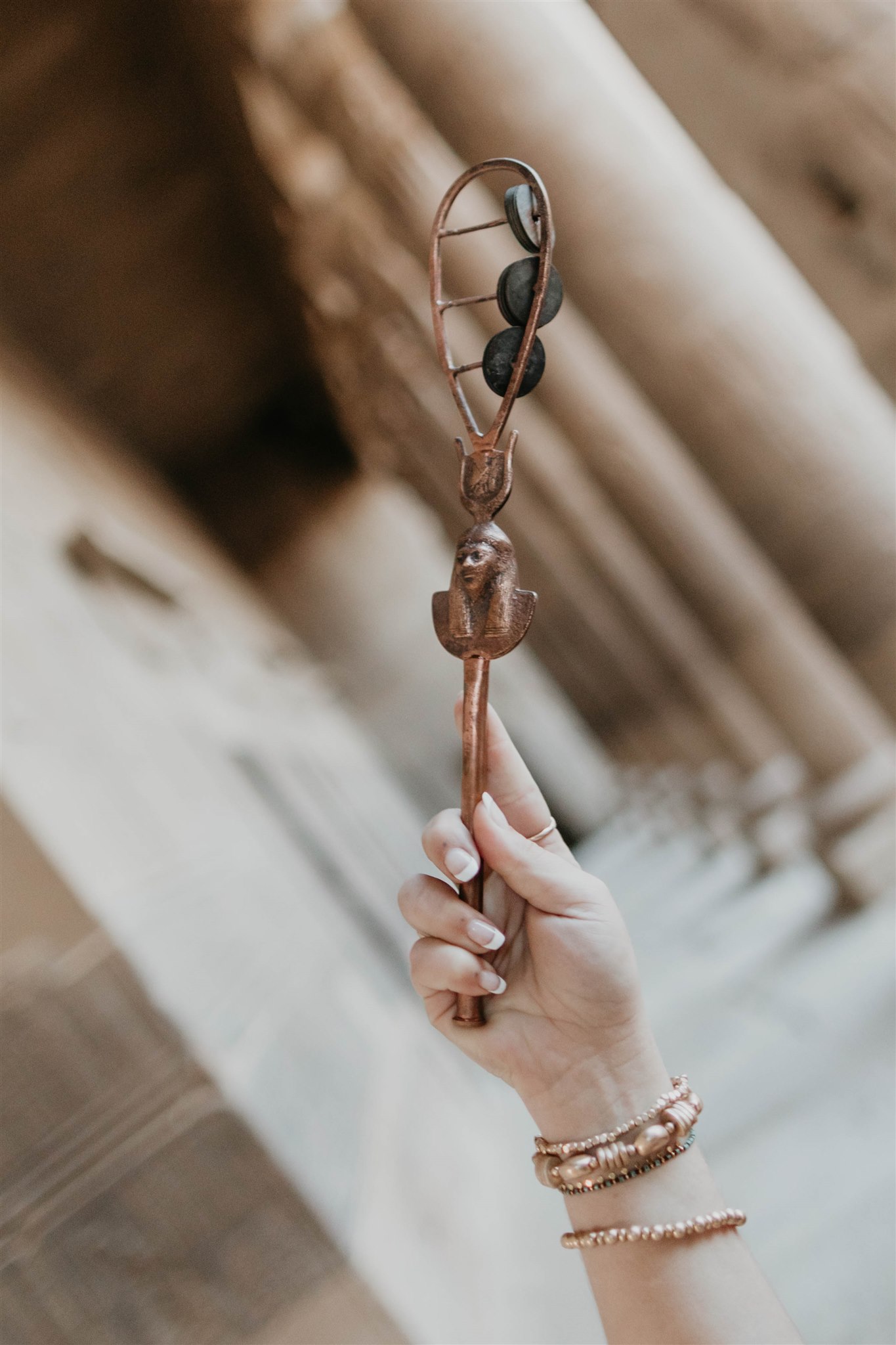
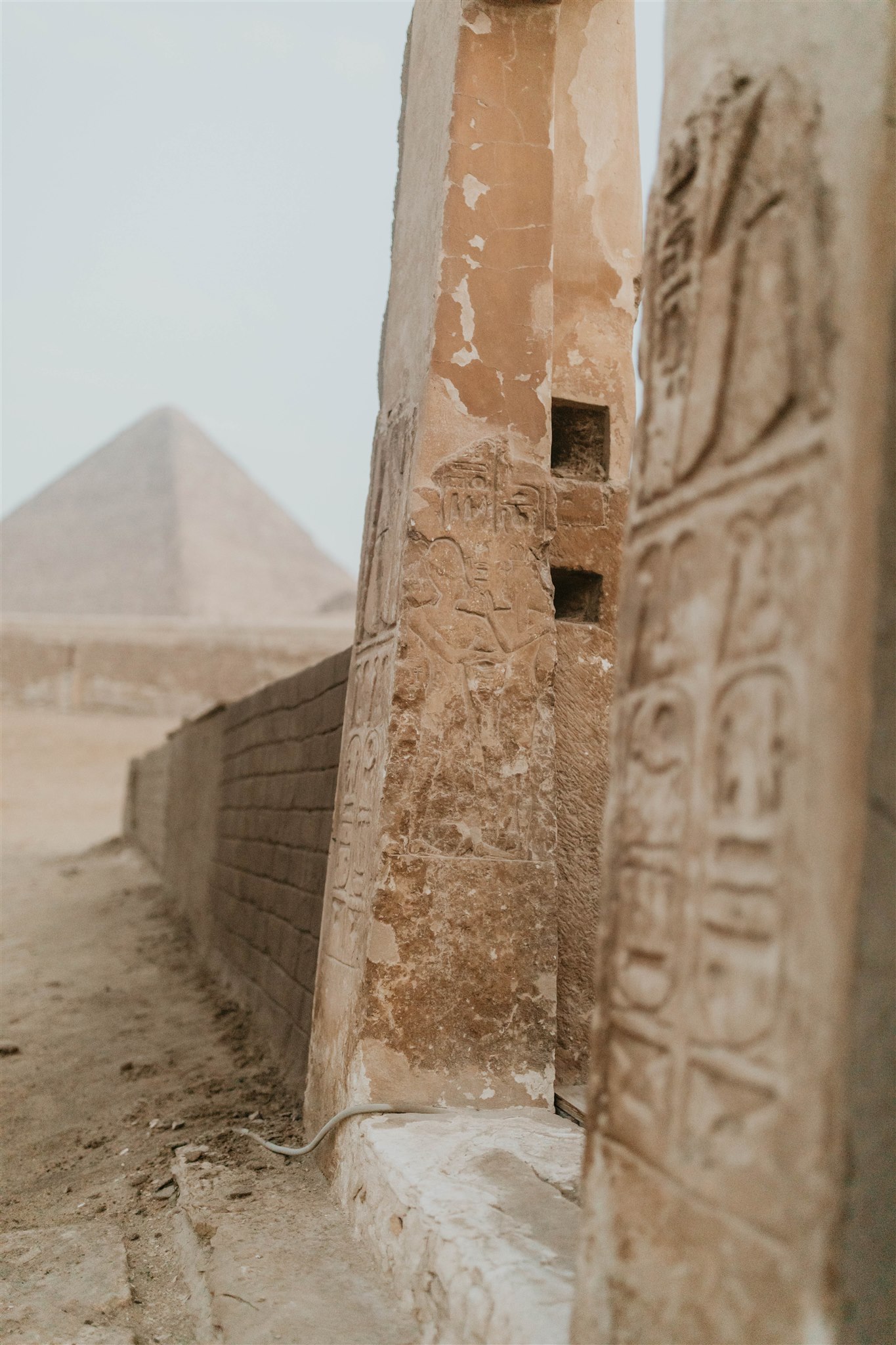
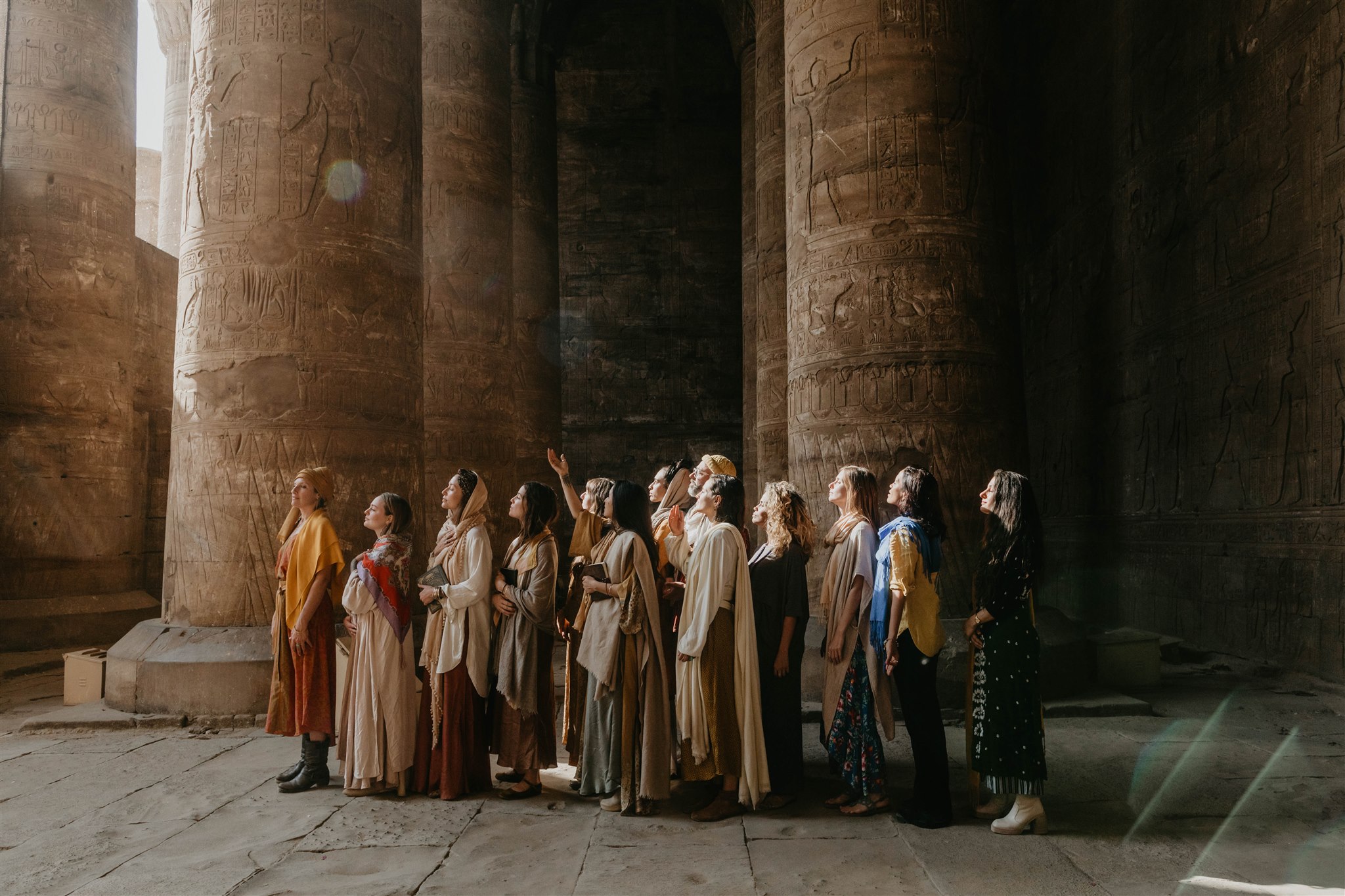
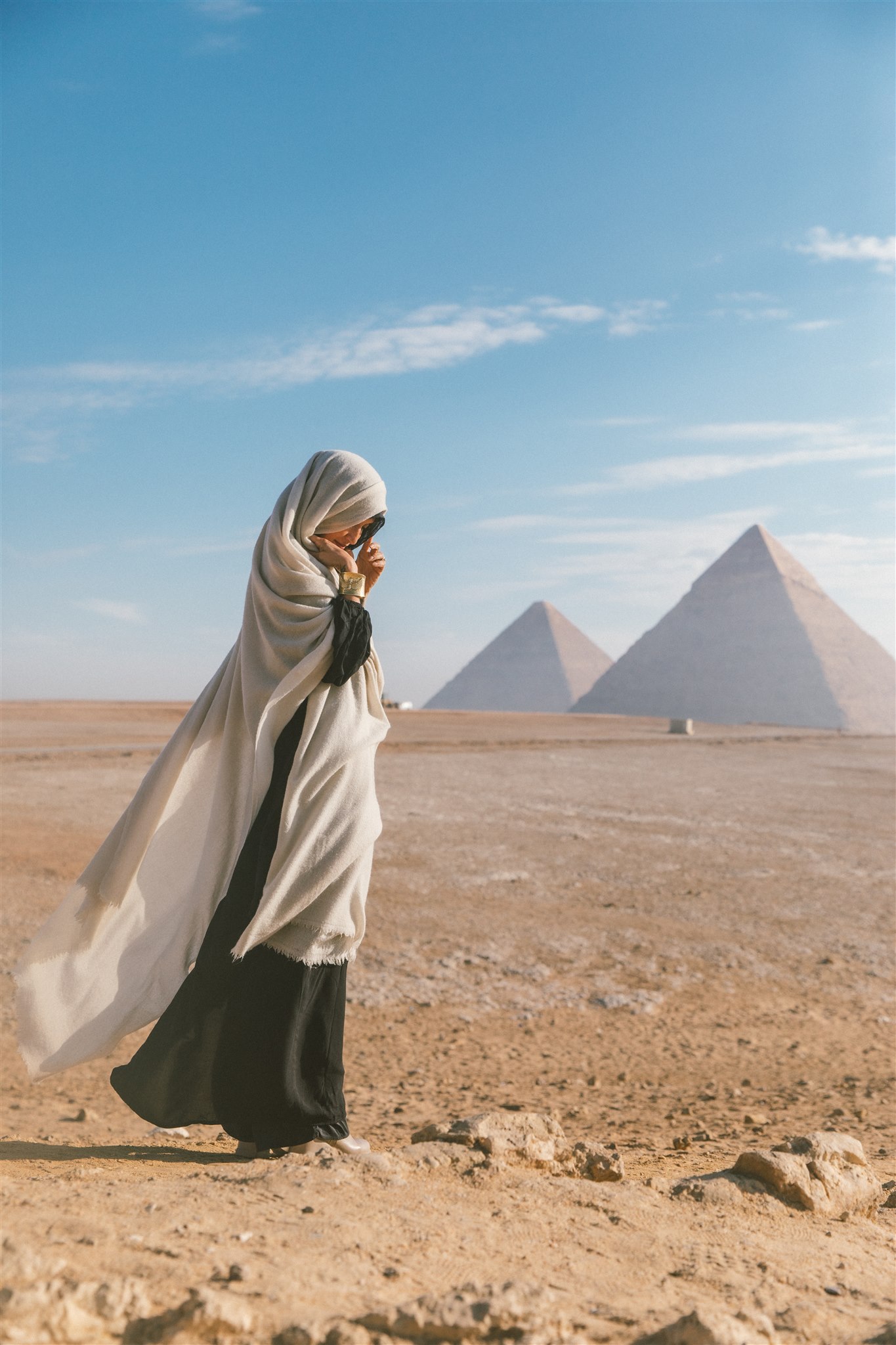
In old Egypt, the “Passion of Osiris” was played out each year at Abydos. Real priests acted out the death and rebirth of the god. People wept. People healed. This went on for many thousands of years.
In old India, the Ramayana was told in full body ritual that took many nights to complete. In Bali, rich temple theater is still alive today. In parts of Africa, masked ritual dances serve the same purpose.
You can learn more about the deep roots of theater through sources like the Smithsonian Folklife program.
What Makes It Different From Normal Theater?
A few key things set ritual theater apart from normal theater.
Sacred frame. The piece is held inside a sacred space. There are opening and closing rites. The time is set apart from daily life.
Real inner work. The actors do not just pretend to feel things. They do real inner work. They face their own fears, grief, and joy in front of others.
Healing intent. The goal is not to sell tickets or win awards. The goal is to bring healing to the actors, the audience, and sometimes the land itself.
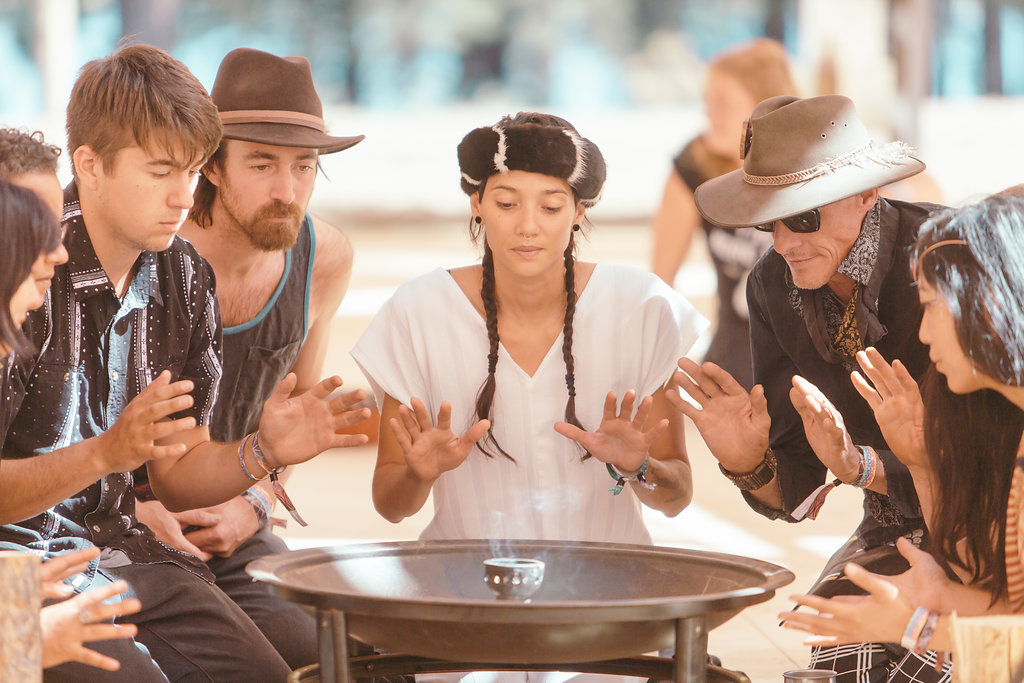
Community. The line between actor and audience often blurs. Both are part of the ritual. Both are changed by the end.
Non commercial. Most real ritual theater is not done for profit. It is done as a gift and as service.
Why Theater Heals
Theater can heal in ways that talk alone cannot. Here are the main reasons.
It uses the whole body. Words stay in the head. Ritual theater uses voice, motion, touch, and breath. The whole body joins in. Healing reaches deeper layers.
It gives a safe space for big feelings. In a ritual frame, it is okay to cry, rage, or laugh hard. The big feelings have room to come out without harm.
It uses myth. Old myths hold deep patterns of the human soul. When you live a myth, you touch a part of you that has been there since the first humans.
It works on the group. A single person can heal alone. But some healing only happens in a group. Ritual theater brings groups into shared healing.
It turns pain into beauty. A raw wound is hard. A wound made into a story, a dance, or a song is softer. The art holds what the bare self cannot.
Common Types of Ritual Theater
There are many styles of ritual theater. Here are a few.
Myth enactment. Actors take on the roles of gods, heroes, or ancestors. They live out an old story. The story heals through the living of it.
Grief theater. A group gathers to move their grief through action. Weeping, singing, and movement bring the grief out of the body.
Masked theater. Actors wear masks that let them drop their usual self and enter deeper parts of the soul.
Seasonal theater. Plays done to mark the turn of the year. Spring plays. Harvest plays. Winter plays. These link the group to the wheel of the seasons.
Healing theater. Short pieces built around the story of a single person in the group. The group acts out the person’s story to help them see it in a new way.
How a Session Works
A typical ritual theater session has a few stages.
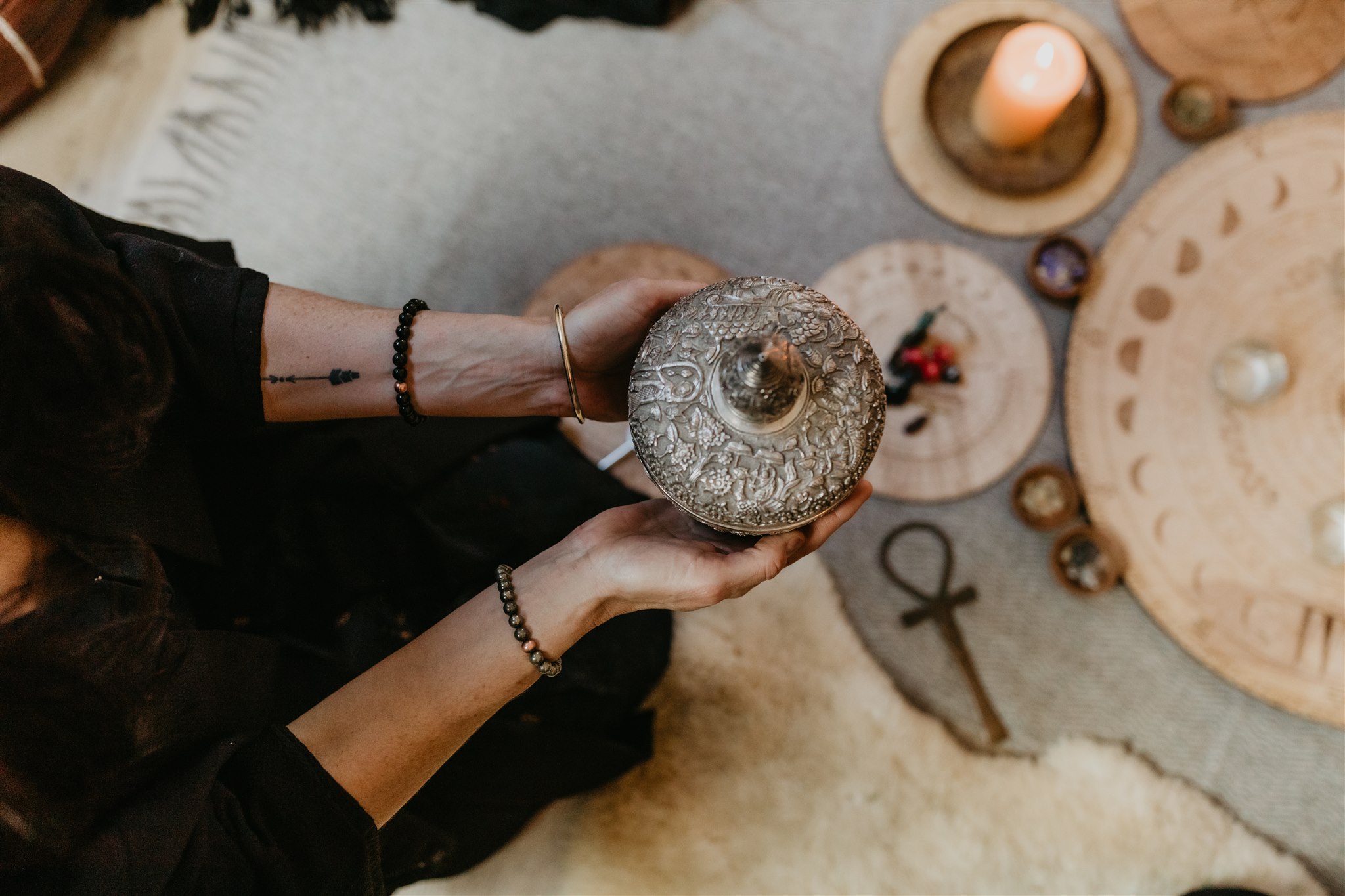
Opening. The space is cleaned and blessed. The group forms a circle. A prayer or song is shared. The intent of the session is named.
Warm up. The body is woken up with simple moves. The voice is warmed up with sounds. The group bonds through play.
Main work. The deep ritual theater piece unfolds. This may be a set script or an open form that comes up in the moment.
Integration. After the main work, the group shares what came up. Tears are welcome. Laughs are welcome.
Closing. A closing prayer or song. A grounding act like sharing food or drink. The sacred space is closed.
The whole thing may last a few hours or a full day. Longer retreats may hold ritual theater over many days.
Who Can Do Ritual Theater?
The short answer is anyone. You do not need acting training. You do not need to be a singer or a dancer. You do not need a perfect body or voice.
You just need a willing heart. You need to be ready to try. You need to be ready to feel. You need to trust the group holding the space.
Is It Safe?
Ritual theater can stir deep things. So it needs to be held with care. A good ritual theater guide knows how to open the space, hold the wild energies, and close the space clean.
Look for a few signs of a safe space.
The guide is trained. Not just in acting but in holding group energy.
Ground rules are clear. What is safe to do. What is not.
Clear language of consent is used. You can always say no. You can step out if you need to.
Closing and integration time is built in. A good session does not just stop in the middle of big feeling.
A warm community is present. People are kind. No one is forced into anything.
If any of these are missing, be careful.
Small Home Practice
You do not need a big group to taste ritual theater. You can try a small home version.
Pick a myth you love. Read it a few times.
Find a quiet room. Set up a simple altar. Light a candle.
Stand in the space. Speak the words of the main character out loud. Move like them. Feel their feelings in your own body.
After a while, step out of the role. Shake your body to return to yourself. Sit for a moment. Write down what came up.
This is a simple solo ritual theater act. It takes only fifteen minutes. It can open surprising doors.
Deeper Training
If you want to go deeper, find a trained guide. Ritual theater is not a tool to use alone for big wounds. A safe group is often the best frame.
The Academy of Oracle Arts offers a course called the Art of Ritual Theater. This course teaches the deep old forms in a safe modern frame. You learn how to work with myth, movement, voice, and sacred space.
Common Myths About Ritual Theater
“It is only for actors.” False. It is for all people who want to heal and grow.
“It is scary or weird.” It can feel new at first. But with a good guide, it is safe and kind.
“You have to be good at it.” No. You just have to show up with your heart open.
“It is just woo woo stuff.” Far from it. Theater has been used by humans to heal and grow for thousands of years. It is one of our oldest tools.
A Closing Thought
Ritual theater is a rare gift in our world today. Most of us sit and watch screens alone. We rarely gather. We rarely share big feelings. We rarely turn our pain into art.
Ritual theater brings us back to our roots. It gives us the space to feel deeply, move freely, and heal together. It is a reminder that we are not alone.
If the call to this art is in you, trust it. Start small. Read a myth. Act it out in your own room. Then find a real guide when you are ready. You can learn more at our classes and courses page. May the old art of ritual theater bring you back to your wild, whole self.
by The Acedemy of Oracle Arts