
Circles That Hold: Ceremony Design Principles for Meaningful Gatherings
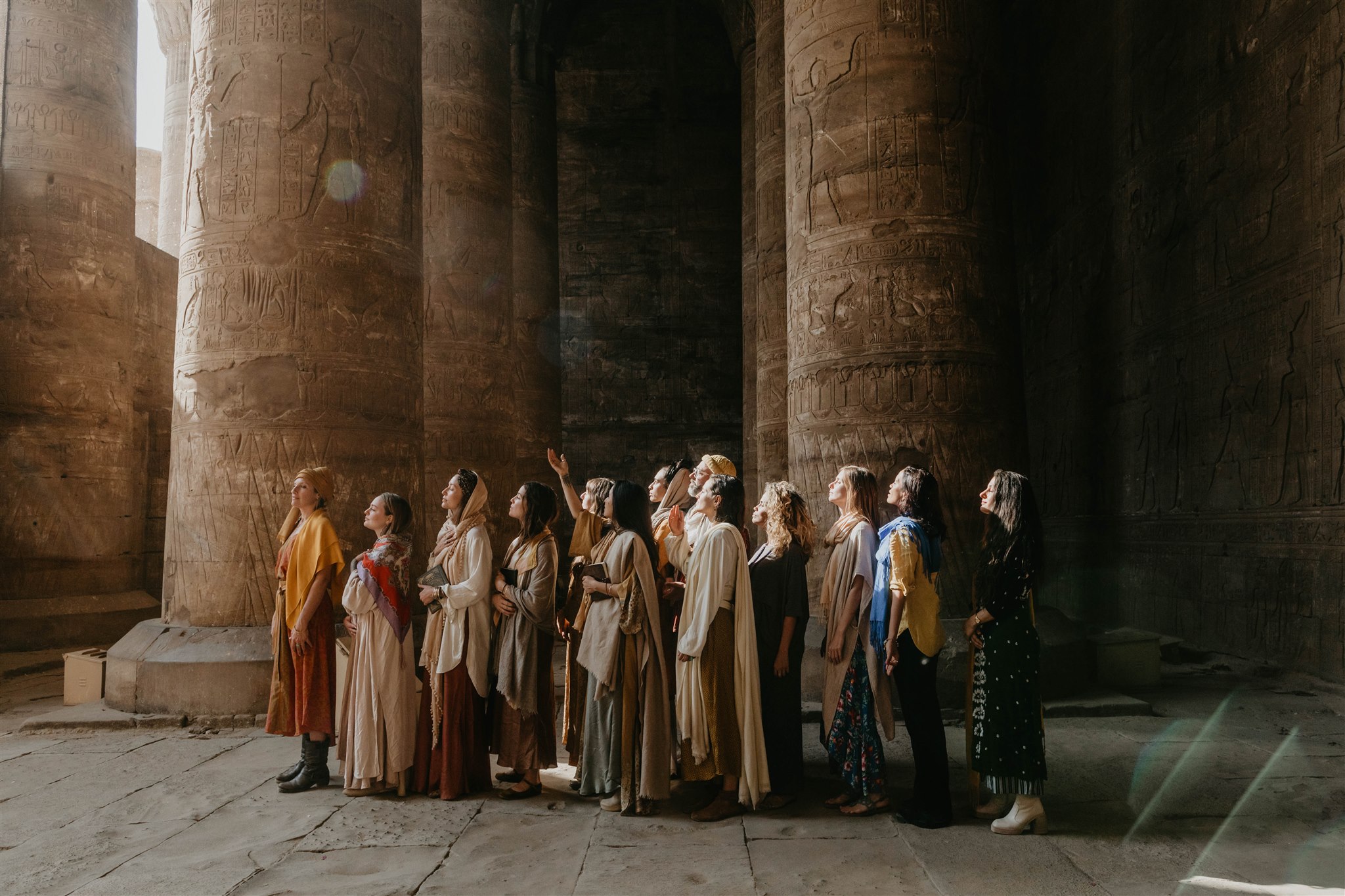
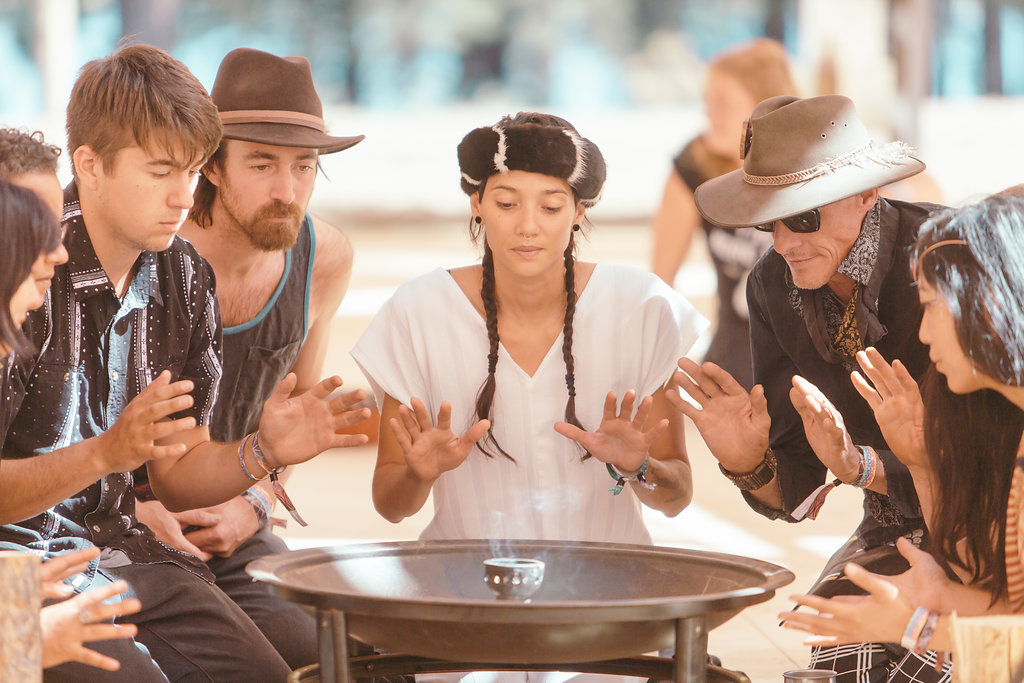
I will always remember the first time. I watched a group of strangers. They all got quiet. They breathed together. They stepped across a line. It felt like they went into something special. You could feel the hum in the room. Nervous hands became still. Shoulders dropped. A big feeling of welcome filled the room. It was not about fancy things. It was not about costly items. It was the quiet plan. It was the goals. It was the design.
A special meeting, I learned, is like setting a table for the heart. What matters is less what is on the table. It matters more how the space is held with care. In this post, we will look “behind the scenes.” We will look at good group meetings, big and small. We will learn how a good plan can change a meeting. It can make it a moment that lasts. It lasts long after the last candle is put out.
The Hidden Plan: The Power of a Good Meeting Design
Every good meeting is built on a hidden plan. This plan is a structure. It has a goal. It has small cues. These things shape how the group feels. They feel it when they walk in. A good plan for a meeting is not about fancy items. It is not about strict rules. It is about making a strong “cup.” This cup must be strong. It must hold our big feelings. It must be gentle, too. It must invite people to be open. This “plan” is what lets normal moments feel special.
A Plan Helps People Feel Safe
A start and an end are very important. They are like anchors for our bodies. They help us feel calm. When people cross a clear line, they feel it. This might mean taking off shoes. It might mean lighting a candle. It might mean sharing a breath. The body gets a signal. The signal says: “It is safe to be calm. It is safe to be here.”
A clear end also helps. You might put out a flame. You might share thanks. You might sip tea. These acts help the group return to normal time. They help them return in a gentle way. If you skip these two ends, people can feel lost. They might feel shaky or raw. Even in short meetings, it is better to do short versions of these steps. Do not skip them.
Design: Light, Sound, and Seats
Before a single word is said, the room speaks. It speaks very loudly. Lighting sets the mood. One single candle can signal quiet. Bright lights from the ceiling can make people feel nervous. Sound also matters. A bell, a chime, or even planned quiet time can help. It marks a change. It helps the group’s energy.
How the seats are set up matters, too. A circle of chairs is not like a row. A circle says we are all equal. A circle helps us all focus. Even the smell in the room matters. The temperature matters. Having water or plants nearby can change how people feel. They can help people feel safe and open.
A Story: When a Bad Plan Teaches More
Not every meeting goes as planned. Once, a leader wanted to make a nice mood. The leader filled the room with dozens of candles. But the group did not feel calm. They felt distracted. Wax was dripping. Flames were not even. People started to laugh in a nervous way.
This “bad plan” became a lesson. The lesson was: less is often more. The real power is in a clear choice. It is not in having a lot of things. The group finally put out the extra candles. A feeling of peace and focus came back. This reminded everyone. The strength of the “cup” comes from being clear. It does not come from clutter.
The main idea is this. A meeting’s design is the hidden shape. It holds every person’s voice. It holds every feeling. It keeps all parts in a good, kind line with the group.
A small tip: Start with simple, clear things. One candle. A shared breath. A circle of chairs. Let the hidden plan do its quiet, good work.
The Five-Phase Meeting Plan: From Start to Finish
Every good meeting follows a beat. It is much like a breath. You gather. You go deeper. You let go. You rest. The Five-Phase Plan gives a clear map. It can change for your group. It helps people feel safe. It helps people change. Here is how each part works.
1. Arriving & Feeling Safe
People come in from the outside world. They come into the special room. This might mean taking off shoes. It might mean sharing three group breaths. It might mean one minute of quiet. Even a simple bell or soft music can help bodies feel calm. The goal is to send a signal. The signal is: “You are here. You are safe.”
2. Opening the Space
This is the moment you cross the line. You light a candle. You honor the land you are on. You name the group rules. It does not matter if you are in a living room or a park. These small acts mark the change. They change the time from normal time to special time. For online meetings, a shared act works, too. This could be everyone turning on their cameras at the same time.
3. Weaving Your Goals
Here, the group brings its focus together. The leader offers a clear, one-sentence theme. Each person then says their own goal. They say what they are bringing to the group. This step makes sure every voice is heard. It brings the group’s energy together.
4. The Core Work
This is the heart of the meeting. This is the main event. It could be breathing work. It could be telling stories. It could be moving. It could be singing. The directions should be simple. The timing should be paced well. Start in a gentle way. Build up to a high point. Then, help the group settle back down. For example, a 25-minute quiet journey can be deep. Sharing in pairs can also be deep.
5. Settling & Closing
You must seal the good feelings. You can do this with thanks. You can have one last round of sharing. You can have a simple cup of tea. Putting out the candle together marks the end. It is the return to normal time. This step is very, very important. If you skip it, people can feel lost or shaky.
Why You Should Not Rush
Rushing these steps is a bad idea. If you rush the start, people will not feel safe. If you rush the end, people will not feel calm. This can be bad for their bodies. It can be bad for their feelings. If you are short on time, it is better to join steps. You can join “Arriving” and “Opening.” You can join “Settling” and “Closing.” But never, ever leave them out. The body needs time to get ready. It needs time to wind down.
A small tip: Play can be part of the plan. What if everyone wears socks that do not match? This playful detail can break the ice. It signals that it is okay to be real. It helps people relax. Being playful on purpose is a strong tool. It helps everyone feel included.
The Kind Rules of Leading Circles: Safety, Care, and Respect
Making and leading circles is not just about a nice time. It is about being in charge. It is about caring for every person. This is a big, kind duty. The base of good group leading rests on three main ideas. These are: asking first, showing care, and honoring other cultures. You cannot skip these. They make sure each meeting is safe. They make sure it is open to all. They make sure it honors the old ways.
Non-Skip Rules: Asking, Being Clear, and Knowing About Pain
- Ask at Every Step: Real asking means people can choose. They can choose how much they join in. They can choose this at every step. Leaders should offer clear ways to “opt out.” This is very true for acts that use touch, smells, or sharing deep feelings. The phrase “you can always pass” must be real. It is a practice. It is not just words. This is how you build trust.
- Be Clear About Your Role: Leaders should be open. They should say what they have trained in. They should be clear about their limits. What if a person needs more help? What if the group cannot give that help? The leader should have names of helpers, like therapists. This honest way builds a good cup. People know what to expect.
- Be Aware of Past Pain: Good leaders are very careful. They are careful about things that can cause pain. They make it normal to “pass.” They give water and tissues. They make quiet corners for people who need space. They never promise to heal someone. They never promise a certain result. Instead, leaders guide a process. They do not control the end.
Honoring Old Ways: Give Credit, Do Not Copy
It is very important to respect the start of these practices. Leaders must give credit. They must name the cultures they learned from. They must not use special, closed ways without asking. This is not kind. Instead of copying, leaders can use simple, universal tools. A candle is simple. A bowl of water is simple. The leader can explain these tools in their own real way. This honors the old ways. It is not stealing from a culture.
Share the Lead: Making Groups Fair
Sharing the job of leader can change a group. You can have a leader, a “guardian,” and a “witness.” You can let people swap these jobs. In one group, they did this. Every person got to try guiding. Every person got to try holding space. Every person got to try just watching. Over time, this practice made the group fair. It built trust. It helped everyone learn new skills. When everyone has a chance to lead, the group gets stronger.
Making It Real: Welcoming All People
Chairs vs. Floor: Why You Should Not Guess
This is a mistake people often make. They think everyone is happy to sit on the or floor. But this guess can leave people out. It can leave out people who have trouble moving. It can leave out people with chronic pain. It can leave out people from other cultures.
A wise leader once shared a story. Halfway through a meeting, they saw a person. This person was moving around on the floor. They looked uncomfortable. The leader knew they made a mistake. They quickly got chairs from the hall. They invited everyone to choose their own seat. The change was right away. People felt better. They felt thankful. The group felt more relaxed. The lesson is this: always offer choices for sitting. Being welcoming is not just about ramps. It is about meeting bodies where they are.
Plain Words and Kind Senses: The Superpowers of a Good Plan
Clear, simple directions are a quiet kind of magic. When leaders use plain words, everyone feels welcome. They should not use jargon. They should explain each step. This helps people who are new. It helps people from all backgrounds.
Being kind to the senses is also key. Some people are very sensitive. They do not like strong smells. They do not like smoke. They do not like loud sounds. You can offer light-smell options. A candle is better than strong incense. You can give quiet spaces for people who think differently. You can use soft lighting. You can use words that welcome all people. These small changes help people feel safe. They help them feel like they belong.
Quick “Kit for the Road”: Less Is Really More
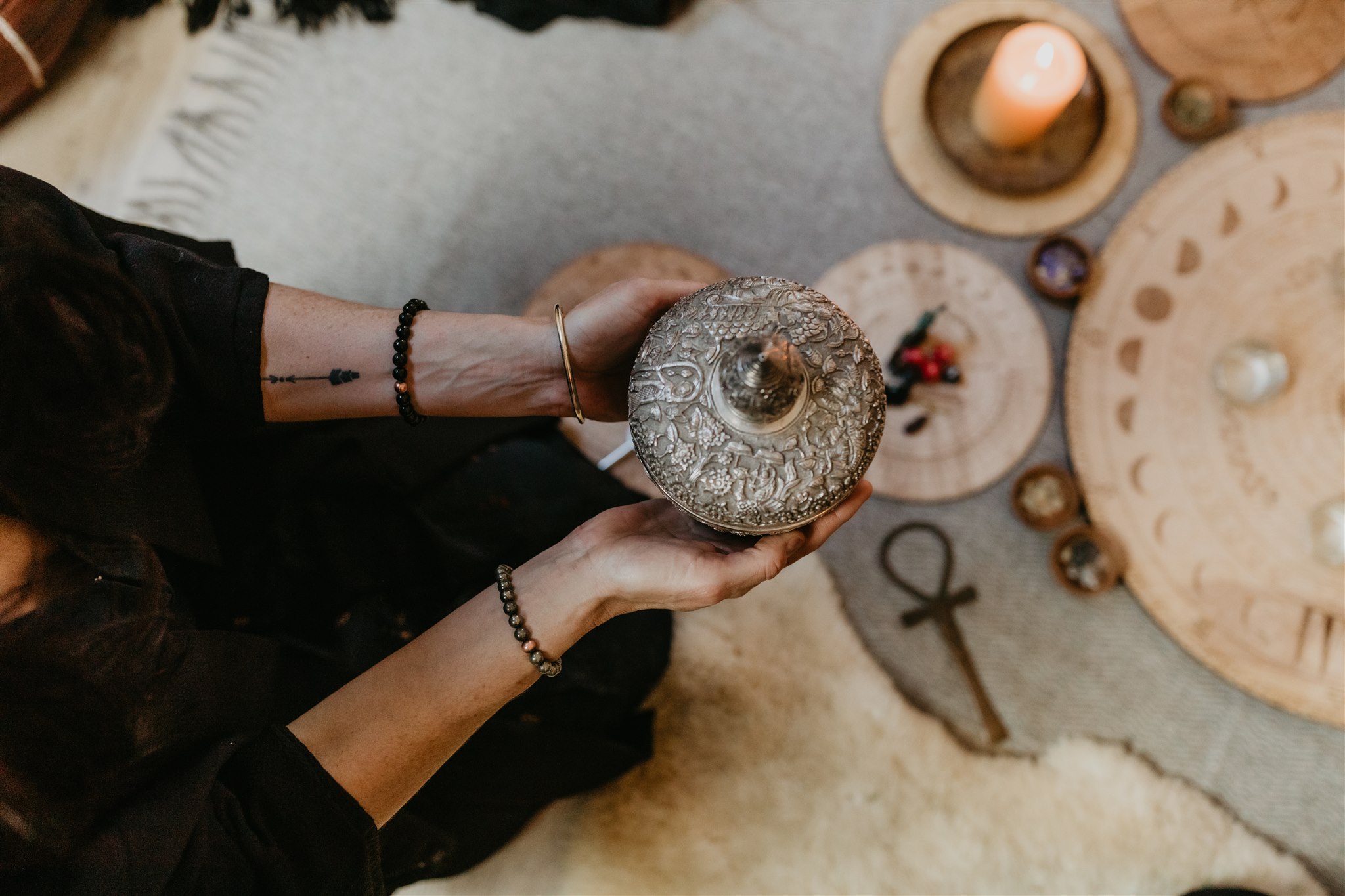
A good, special meeting does not need a lot of stuff. In fact, simple is often strongest. A basic kit can fit in a small bag:
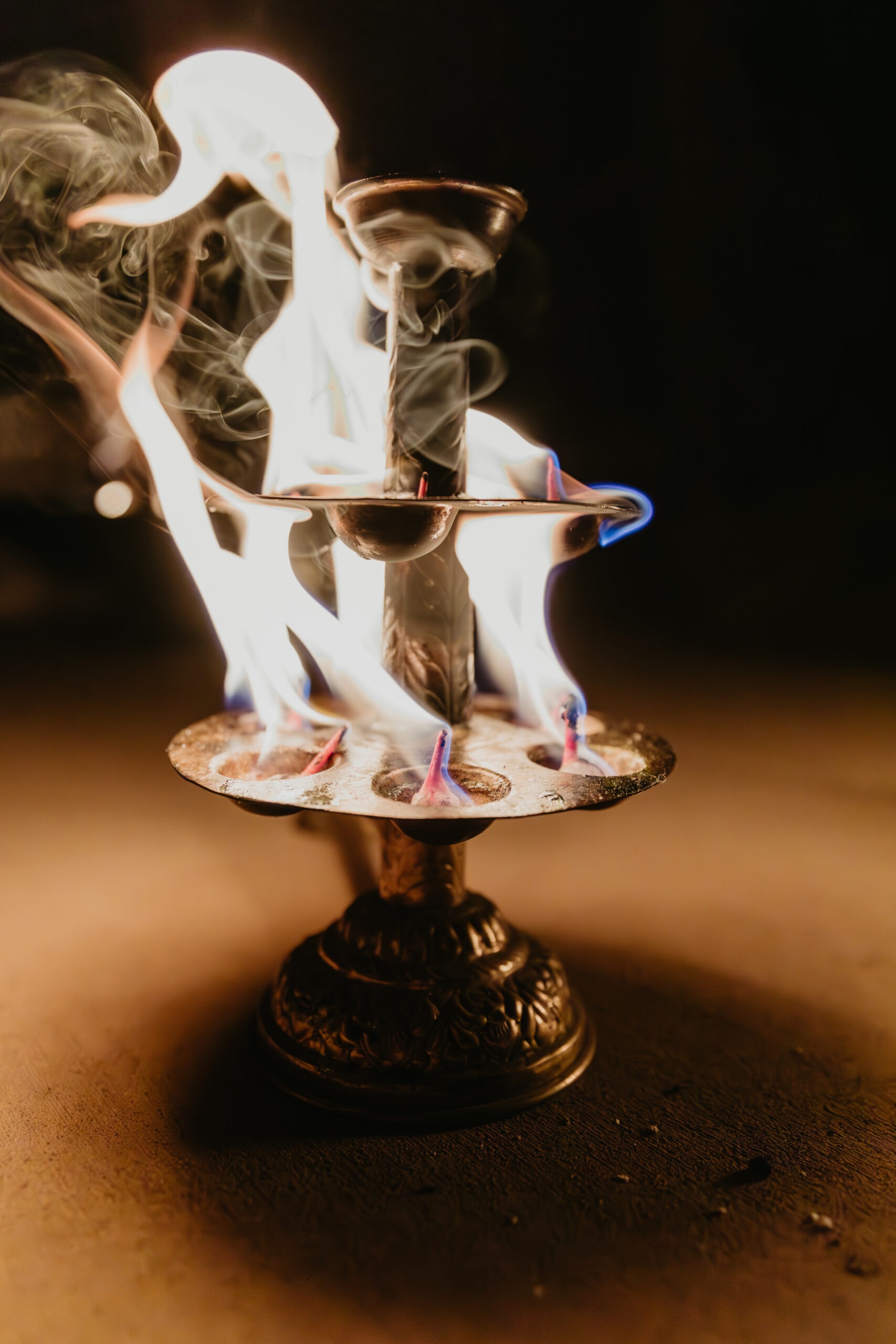
- Candle + lighter: This marks the start. It helps people focus.
- Bowl of water: This is a sign for settling. It is a sign for blessing.
- Bell or chime: This signals a change. It helps bring the group back to center.
These objects are easy to find. They are easy to explain. They work in many places. When leaders focus on the simple things, the space stays open. This makes it easier to help the group. This way honors the real and the magical.
From Feeling Tired to Feeling Good: Avoiding Problems
Even a good meeting can have problems. This happens when we miss common issues. A plan that is too full is a problem. Not having clear timing is a problem. Big, messy feelings are a problem. These things can make leaders and guests feel tired. They do not feel good.
The heart of a good meeting plan is to keep it simple. Choose one main thing to focus on. Show the directions in a clear way. And always, always save time for a good ending.
A meeting that tries to do too much is bad. It can hurt the group’s calm feelings. When every moment is full, there is no space. There is no space to breathe. There is no space to think. There is no space to connect.
Instead, pick one single practice. It could be breathing. It could be stories. It could be a song. This lets people go deeper. They are not just rushing over many things. Show each step with clear, simple words. This helps everyone feel safe.
Timing is also a key part. Without a clear start and end, people feel lost. Big feelings near the end are a risk. They can leave people feeling raw or shaky. Check the time at the halfway point. You must save at least ten minutes for the end. This gives people a gentle path to return. This closing time is for thanks. It is for a shared kind act. It is for a simple cup of tea. It tells the body and mind that it is safe to rest.
One thing people often forget is “after-care.” I made this mistake once. I forgot to send a follow-up note after a strong meeting. The people felt lost. They were not sure how to handle their feelings. The effects were clear. Some felt alone. Others felt worried.
True “settling” happens after the meeting, too. A short note, a group check-in, or a simple reminder helps. You can remind people to rest and drink water. This can make all the difference. Offering gentle after-care is kind. You can offer good food. You can honor sleep. You can invite people to keep thinking. This helps people carry the good feeling of the circle into their daily lives.
In the end, a well-held meeting is not about being perfect. It is about care. By taking care of the plan, the words, and the after-care, leaders change things. They change a tired feeling into a lasting good feeling. The circle becomes more than just one moment. It becomes a source of strength.
Making a special meeting is not about a perfect plan. It is not about how good it looks. It is about making a space with a clear goal. It is about sharing clear, kind rules. It is about offering a time where every person feels seen. It is where they feel safe. It is where they feel part of something bigger. A good plan and kind rules are the base for a real connection.
by The Acedemy of Oracle Arts