
Living Myth as Compass: Ancient Stories and Modern Paths
I once sat at a campfire. My family was there. We did not agree on much. We started to argue. Then, someone told a story. It was a story about a tricky coyote. Everyone stopped to listen. The fighting stopped. We all laughed. We saw each other in a new way.
I still remember that moment. I think about it when old stories, or myths, show up today. They show up in strange places. Could it be true? Are stories from thousands of years ago still here? Are they hiding in our headphones on the train? Are they in our work meetings? This post will look at that idea. We will see that living myths are still alive. They are quiet maps. They help us find our way through our messy lives.
Mirrors, Maps, and Headphones: How to See Myths Today
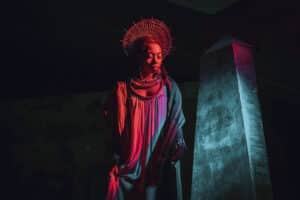
Old myths are not just old things. They are not just from the past. They are living tools. These tools help people. They help people move through a hard, modern life.
Myths act like mirrors. They show us our own problems. They show us the problems our group has.
Myths are also like maps. They show us where to go. They help when we do not know what to do. The path may not be clear.
Life today is very fast. We often feel lost. We do not know who we are. Life feels like a mess. These old stories give us a special kind of help. Advice books cannot always help. Work tips cannot always help. But stories can.
Stories as Tools to See By
Myths show us old patterns. These patterns are still here. They are under today’s problems. A person might feel very tired from work. This is burnout. A person might feel heartache. A work project might be a mess. Old stories can help. They help us understand the mess.
For example, there is a story of Inanna. She went on a journey. She had to let go of her power. She came back changed. This old story is like our life today. Sometimes we have to step back. We step back from a big job. We step back from what people expect. Then we come back. We come back with new, wise thoughts.
A Story: The Train and the Maze
Picture a person on a train. The train is full of people. The person has headphones on. They are looking at a long to-do list. The list looks very hard.
In that moment, a story comes to mind. It is the story of Theseus and a big maze. The maze is not far away. The maze is the hard project for the day. A monster, the Minotaur, is the deadline.
The best part of the story is a thread. The thread helps the hero. It is a simple thing you do again and again. It keeps the hero from getting lost. For this person on the train, the thread is a small act. Maybe it is checking in each day. Maybe it is cleaning for ten minutes. This thread leads them out of the mess. The old story, heard on the train, becomes a real tool. It helps the person get through the day.
Finding Patterns in the Mess
Life today often feels like a mess. It feels broken into pieces. Myths help us find a pattern in the mess. They turn bad feelings into stories we can understand. They give a shape to our fear. They give a direction to our hopes. They give meaning to our choices.
Sometimes advice books do not work. You still feel stuck. But then you hear an old story. It is the story of Isis. Her husband, Osiris, was broken in pieces. She had to find all the pieces. She gathered them. This story can give you a new idea. You can list your own pieces. You can list your own strengths. You can list your friends. You honor them every day. You put yourself back together.
Why Myths Still Work Today
Why do myths still work?
- We can learn to spot old patterns. We see these patterns in our own minds. This helps us see why we do things.
- Myths let us practice hard choices. We can practice in a safe way.
- Myths use sounds and pictures. These things stick in our minds. Advice does not stick as well.
- We share these stories. Shared stories build groups. They help us feel like we belong.
“In the noise of modern life, myth is the quiet thread. It helps us find our way back to ourselves.”
We can see old stories as mirrors. We can see them as maps. We can bring them into our day. We can do this on the train. We can do this at home. When we do this, we can make the mess of life feel softer. Myths do not solve every problem. But they give us a pattern. They give us a thread. Sometimes, they give us a song to carry.
Descent, Mazes, and Sunlight: Old Wisdom in Action
Old myths are more than just stories. They are living maps. They are maps for our life today. We must be careful with them. When we are, these tales give us real help. They help us with today’s problems.
We will look at four old myths. One is the story of Inanna’s dark journey. One is the story of Theseus in the maze. One is the story of Amaterasu in the cave. One is the story of Isis finding all the pieces. Each story gives us a plan. It shows us how to use old wisdom for our problems.
The Four Stories: Myths and How to Use Them Today
- Inanna’s Journey (Sumer): Inanna went on a trip. She went through seven gates. She had to give up her power at each gate. She came back as a changed person.
- What this means today: You may feel lost. You may feel burned out. You must see what you need to let go of. It may be a job. It may be a belief. It may be a fast pace. Then, mark your return. Do a small act for seven days. You can light a candle. You can write in a book. This honors your return.
- Theseus & the Maze (Greece): Theseus beat the monster. But a thread from Ariadne helped him get out of the maze.
- What this means today: You may have a hard task. You must find your “thread.” This is one small act you do every day. It could be a daily check-in. It could be a 10-minute tidy. This small act keeps you from getting lost. Doing it over and over is what saves you.
- Amaterasu in the Cave (Japan): The sun goddess hid in a cave. The world got dark. The other gods got her to come out. They used a mirror. They used a happy party.
- What this means today: You may feel sad. You may feel tired. You should plan to be with others. Find joy in a group. Join a game. Sing in a group. Dance. Good words from friends and laughter can help. They can bring back your energy.
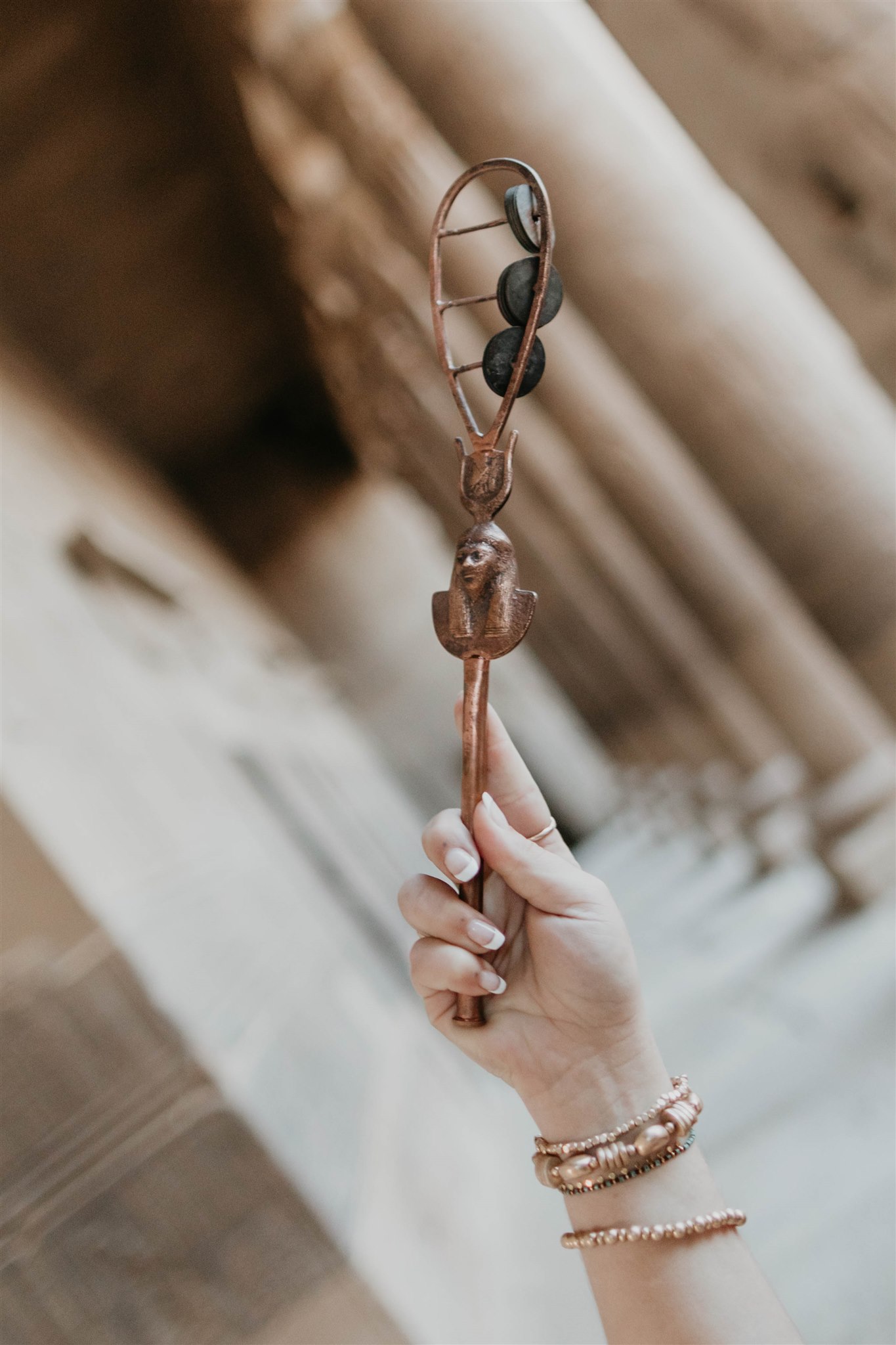
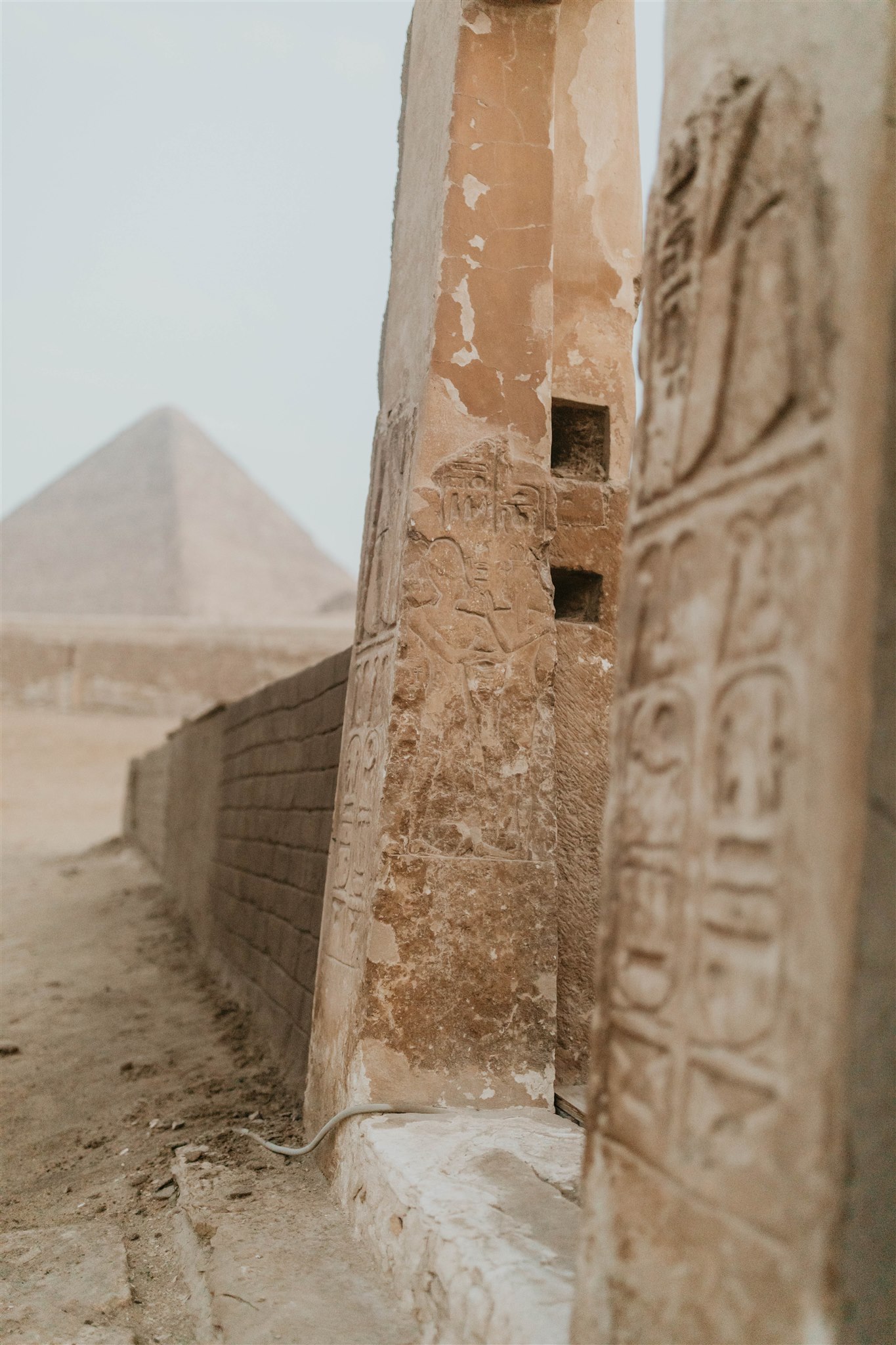
- Isis & the Pieces of Osiris (Egypt): Isis looked for the lost pieces of Osiris. She found them all. She sang him back to life.
- What this means today: You may feel broken. You may have lost something. Make a list of your “pieces.” These are your skills. These are your values. These are your friends. Make a small, special table. Or, spend a few minutes each day. Honor these parts. Connect with these parts again.
How to Use These Stories
Here is how to use these stories as special acts.
- Choose a tale: Pick a story that feels like your life right now.
- Find the mirror: Which person are you in the story? Are you the hero? Are you the helper?
- Name the problem: Is it a monster? Is it a maze? Is it a cave?
- Find an action: What one small, daily act can you do? This act should honor the lesson.
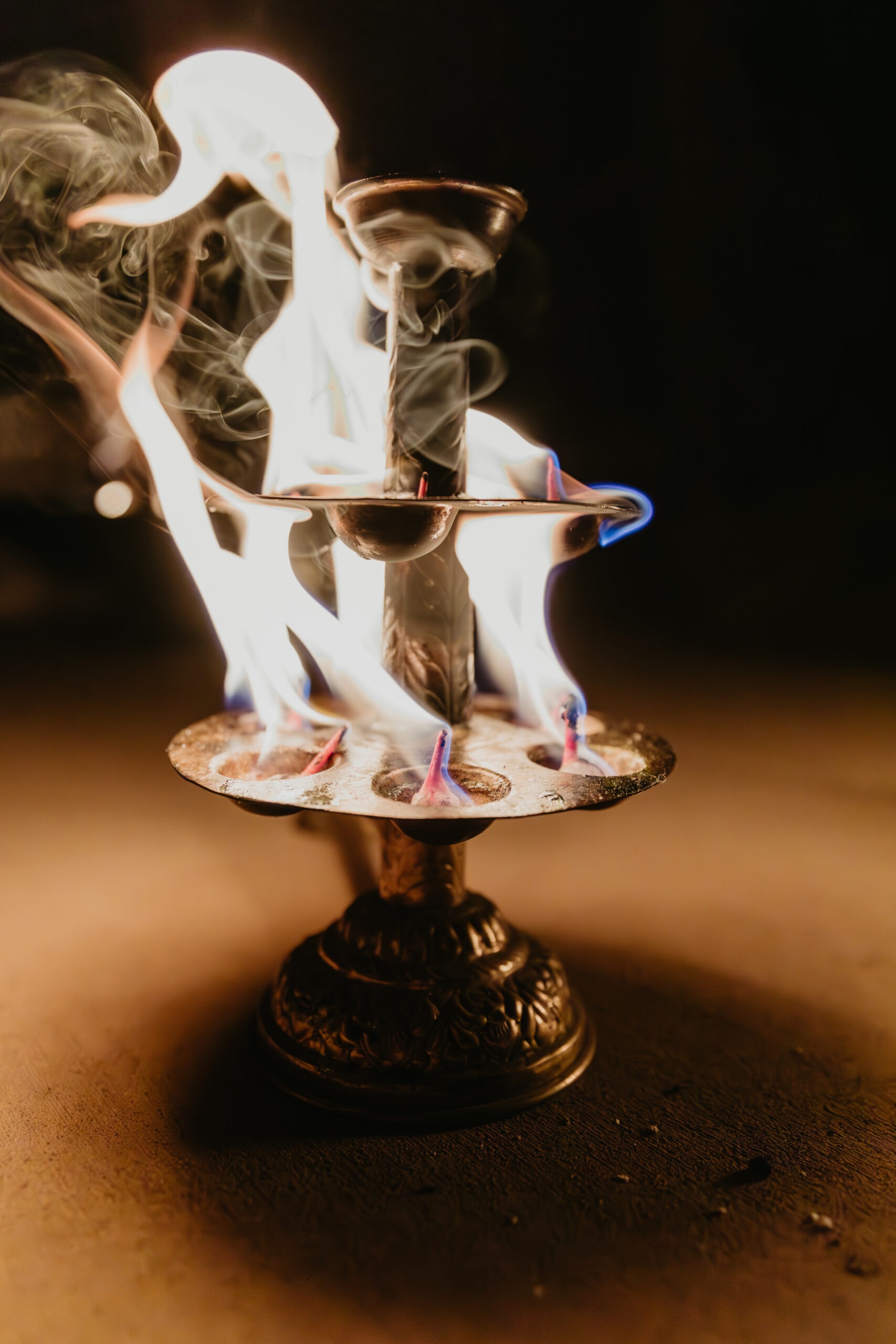
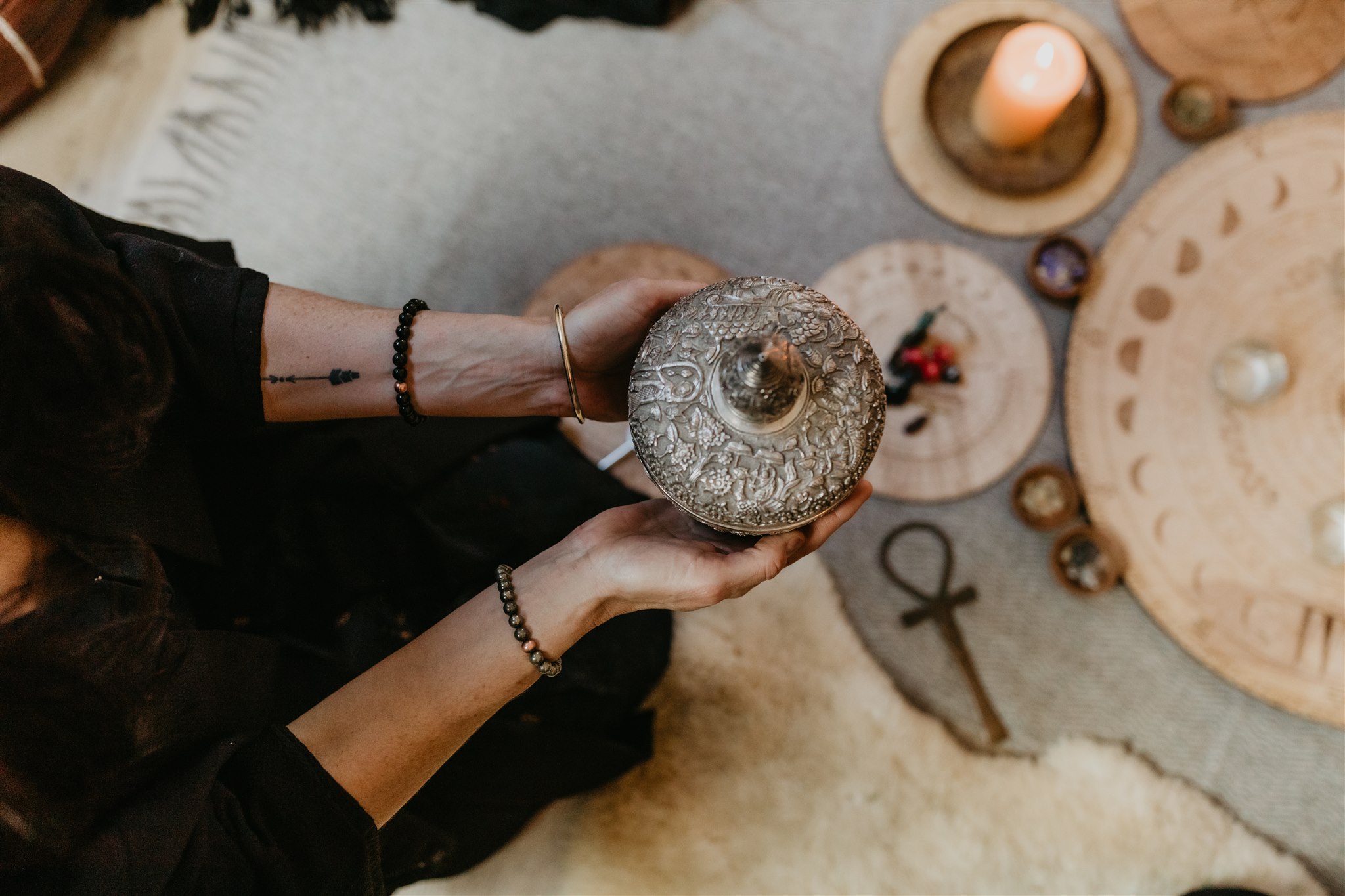
- Make it a special act: Use a small ritual. Light a candle. Say a line. End with a breath.
Here is an example. A person feels tired from work. They feel burned out. They choose the story of Theseus. They choose a daily check-in as their “thread.” This is a five-minute time to think each morning. This small act helps them. It helps them move through the messy “maze” of burnout.
A Wild Card: The Email Maze
What if your email inbox is a maze? It is full of messages. You do not have to fight every message. You can choose one “thread.” Maybe you only read the top emails each morning. This idea turns a mess into order. It makes the task one you can do.
Belonging, Limits, and Building Groups with Shared Stories
Living myths are not just for you alone. They are the base for a group. Old stories can be shared. When we share them, they change us. Our own work becomes something we all share. It becomes our way of life.
Myths give us more than lessons. They give us common words. When we have common words, we can set good limits. We can feel like we belong. This feeling is needed. It helps us grow. It helps the group grow.
When one person works with a myth, it helps them. They feel clear. They feel brave. But in a group, this help gets bigger. Shared stories act like glue. They stick the group together.
For example, a group can say, “This week feels like a maze.” Everyone in the group knows what that means. They know people need help. This shared talk helps people set limits. It helps them ask for help. They do not need long talks to explain.
The Power of Ritual: Tea, Song, and Body Memory
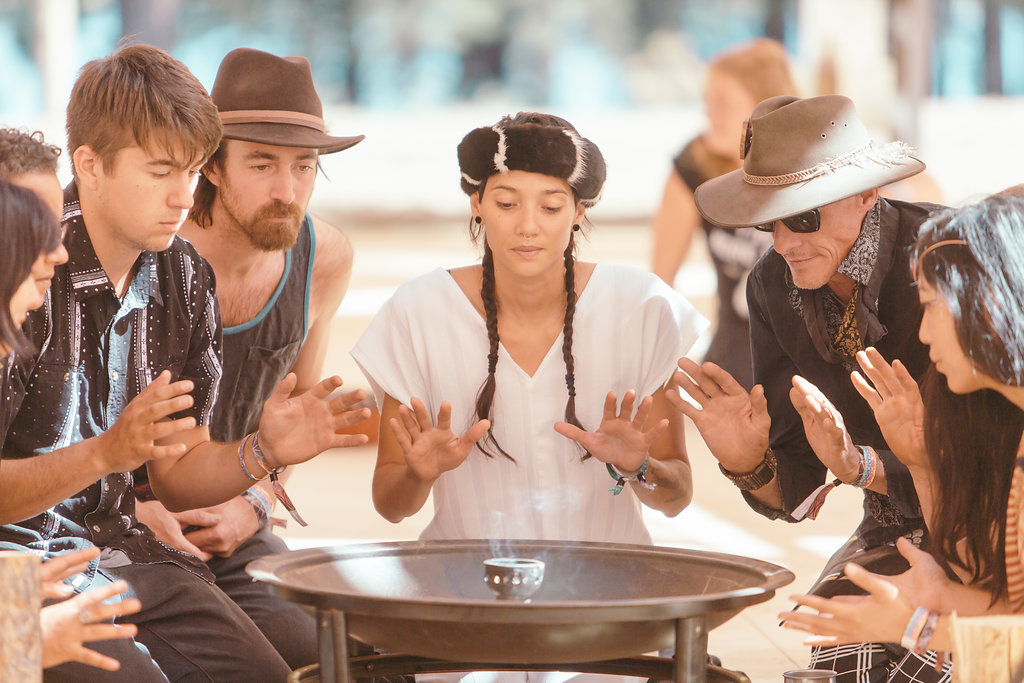
We can end group meetings with simple acts. We can share tea. We can sing a song. These acts help new ideas stay in our bodies. These acts are not just for show.
Science shows us why. Our bodies learn from rhythm. Our bodies learn from doing things over and over. These acts help the lessons stick. A round of thanks or a closing song tells the body something. It says, “Something important just happened.” This makes it easier to carry the new ideas into our daily lives.
Meeting in circles helps. It makes the power of the story grow. In a group, each person’s story is part of a bigger story. Watching each other is key. When one person is in a “cave” or a “maze,” the group can help. The group can hold a safe space. The group can celebrate small wins. Shared special acts help. Lighting a candle or sharing food helps. These acts help lessons move from the mind into the body.
How to Share Stories in a Good Way
We must be very careful when we use myths in a group. We must respect the people who made the stories. We must know about past pain, or trauma.
- Always name where the stories come from.
- Do not use special, private stories if you are not allowed.
- Be careful. Some stories can make people feel strong, sad, or scared.
- Tell people they do not have to join. Let them “opt-out.”
- Give them help if they need it.
“Shared stories glue groups together. They turn private growth into a group way of life.”
When we share stories with care, we build trust. We help people feel they belong. When stories are shared in a kind way, they make a safe space. It is a space to look, to heal, and to change together.
Wild Cards and Walking the Creative Middle Path
Using a myth as a map does not mean you have a perfect plan. Old stories, when used as guides, ask us to try things. They ask us to change. Sometimes they ask us to fail.
This is the “wild card” part of using myths. It is very normal to get it wrong. In fact, you need to get it wrong sometimes. Myths grow from the inside. Their power does not come from being perfect. Their power comes from really trying. Every person’s trip through a story will look different. This is not just okay. It is a very important part.
Think about the feeling of being “in between.” These are the “in-between” times. Life is not settled. You may be waiting for a new job. You may be moving to a new town. These “in-between” spaces feel strange. They do not have a clear plan.
Yet, in old stories, these are the places where change happens. The hero does not jump from the start to the reward. The maze, the cave, and the dark trip are all needed.
In our lives, these moments can feel like we are lost. We feel like we have an old, faded treasure map. We are in a busy city. The map is hard to read. The path is not clear. Yet, the act of searching helps. The search itself shows us new paths. It shows us new strengths.
Take the story of Maya. She tried to rush her own story. She was changing jobs. She wanted to skip the “in-between” part. She wanted to get to the happy ending. She ignored the bad feelings. But she had to stop. She had to pause. She had to feel her fears. When she did this, she found what she really wanted. The “in-between” part was her teacher.
The lesson is this: the middle part is not a shortcut. It is a special space.
Using a myth map today is not always easy. The trip can be hard. We want clear answers. Yet, we must trust the path. We let the story happen. We find that the map still works. It does not promise we will be safe. But it shows us where we are. It gives us meaning.
So, using a myth as a map means you accept the “wild cards.” You accept the mistakes. You accept the “in-live-between” times. The old stories are not about being perfect. They are about joining in. When we walk this middle path, we find the trip itself is the treasure.
Old stories are not just dust. They are living maps. We can use these myths. We can name our own patterns. We can add small, special acts to our day. When we do this, we find new paths. These paths lead us through the mess of life. We find deeper meaning. We find it together.
by The Acedemy of Oracle Arts