

Night-Time Doorways: Creative Dreamwork for Modern Minds
I woke up very early last Sunday. A dream woke me up. In the dream, I was on a glass river. I was floating. I was holding a key in both hands. The key was old. I ate breakfast. The details of the dream faded away. But I still felt a strange, warm feeling.
If you are reading this, maybe you have felt this too. You get a feeling. The feeling is that dreams are not just noise. They are asking you to understand something. This post shows how to learn from your dreams. You do not need old rules. You do not need a dream book. You can let your nights change your days.
1. The Night is a Teacher: Why Dreams Are Still Important

Nighttime is not just a rest. It is not just a pause between busy days. It is a doorway. It is a door to a new way of learning. In the quiet hours, dreams become a special language. They are the language of your inner self. Dreams give you messages. These are messages your daytime mind often misses.
Your awake mind thinks a lot. It edits. It filters. It tries to explain things. But your dreaming mind is different. It speaks in pictures. It speaks in feelings. It speaks in stories. These stories can surprise you. They can teach you.
Dreams: The Unfiltered Truth
When you are in deep sleep, your mind’s judge gets quiet. This lets your thoughts come up. It lets your pictures and feelings come up. They come up without the normal filters.
Sometimes, what you see in a dream is odd. You might see stairs that go nowhere. You might see a river flowing up a hill. You might see a key you forgot. These pictures can seem strange or fun. Yet these pictures often hold truth. They show us truths we hide from. They show us truths we miss in our busy day. Dreams can point to things. They show us what needs our care. They show us what needs to heal. They show us what needs to change. They get past the walls that keep us stuck.
Your Own Story: Your Mind’s Alphabet
Every dream is its own story. It is written in your own signs. It uses the language of your own life. You might see the same pictures over and over. You might see doors, animals, or weather. These are not just random. They are the building blocks of your own story.
Learning to see these signs is like finding a map. It is a map of your inner world. A dream book cannot tell you what they mean. The signs are alive. They are personal. A staircase might mean one thing to you. It might mean “ambition.” It might mean “anxiety” to someone else. It might mean a “spirit path” to another. The key is to let your own feelings be the guide.
The Power of a Feeling
Maybe the most important message in a dream is not the story. It is the feeling the dream brings. This “feeling tone” is key. It might be a rush of fear. It might be a wave of warmth. It might be a feeling of wonder.
Often, your body knows the truth before your mind does. If a dream makes you feel tight, it may be a warning. It may mean you need to pause. If a dream brings peace or joy, it might be cheering you on. It might be telling you to move forward. Paying attention to these feelings can give you clear, real help for your life.
- Dreams show hidden truths. They show us what we miss during the day.
- Signs are living clues. Each picture is part of your own mind’s alphabet.
- The feeling is the message. The mood of the_ dream often points to what you need to do.
Dreams are the language your heart uses. They speak when your daytime words get in the way. Each picture is a sign. Each feeling is a knock on the door.
When the night becomes a teacher, dreams are not just stories. They are not just things to figure out. They are invitations. They invite you to know yourself better. They invite you to find new ideas. They invite you to make small, good changes. When we listen to their language, we open up. We open up to help that is both old and new.
2. Notes from the In-Between: How to Get Ready and Remember
Dreams are a special language. They are pictures and feelings. They speak when words cannot. Do you want to work with your dreams? The first step is to treat the night as a special doorway.
There are simple, small habits. There are gentle ways to help. These ways can help anyone. It does not matter if you are not sure. It does not matter if you believe. These habits help you remember your dreams. They help you write them down clearly.
Getting Ready: The Night Table
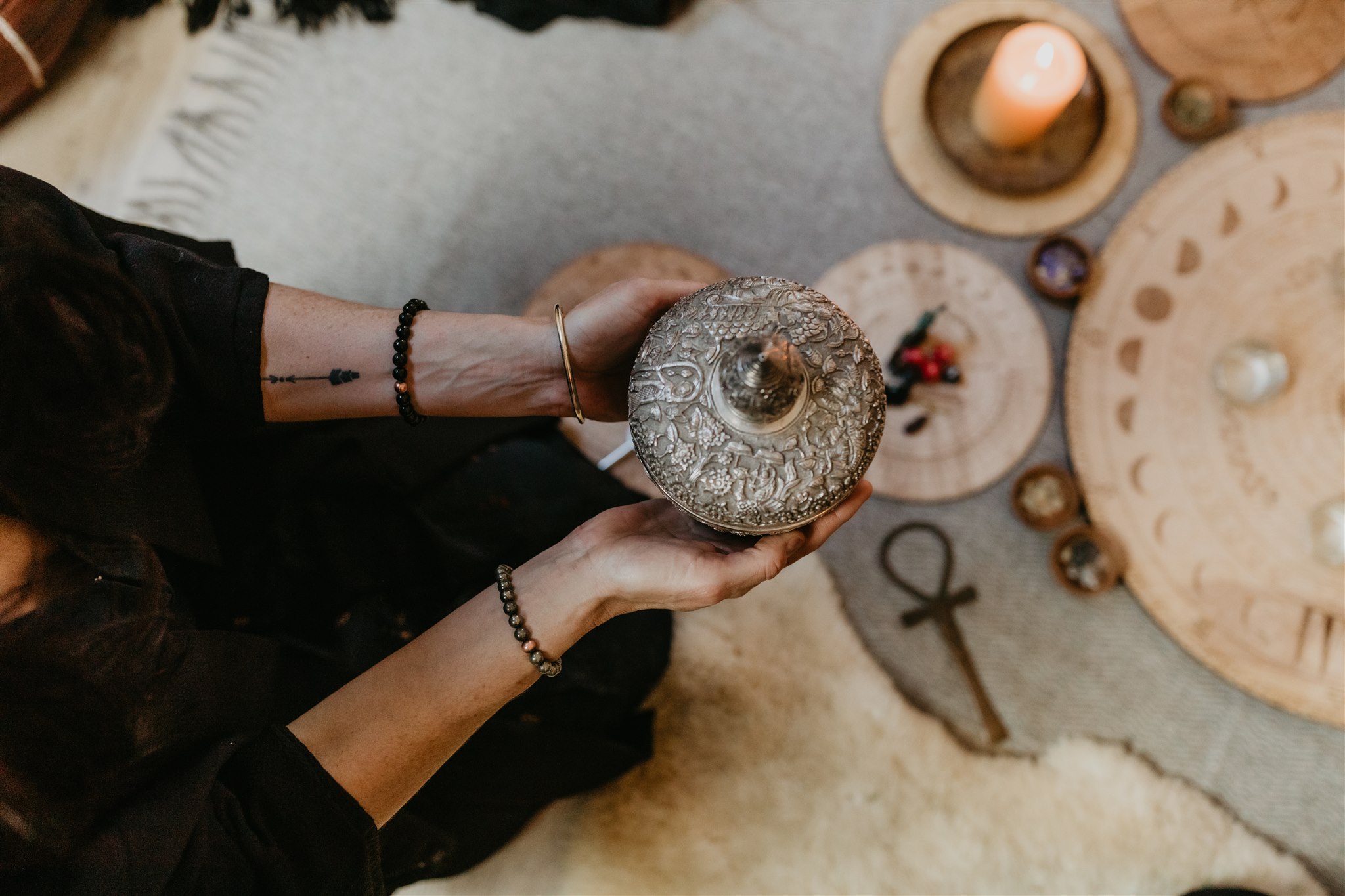
Set up a small table by your bed. This is a powerful signal. It tells your mind it is time for quiet work. This table does not need to be fancy. Place a candle on it. (Do not light it while you sleep.) Place a glass of water on it. Place a pen and a notebook on it. Make sure you can reach them. This setup marks the space. It makes it feel special. It invites your mind to pay attention. It helps your subconscious mind know it is safe. It can wander. It can return with gifts.
- Candle: A sign for light and focus.
- Water: A sign for flowing and for memory.
- Pen and Notebook: Tools to catch dream bits right away.
How to Remember More: The Three-Line Rule
Remembering dreams is a skill. It grows if you practice in a gentle way. Two simple tricks can help a lot.
- The Three-Line Rule: When you wake up, write three lines. Write them in your notebook. Write anything you remember. It can be one word. It can be one picture. It can be just a mood. This act trains your mind. It teaches your mind to notice. It teaches it to remember more.
- The In-Between Alarm: Set an alarm. Set it for 90 minutes before you normally wake up. When it rings, write down any small bits. Write down nouns, colors, or actions. Then go back to sleep. This trick helps you catch dreams. You catch them when they are strongest.
Even people who say, “I never dream,” can get results. They just need to practice. For example, Janelle is a designer. She started her dream work. She wrote ‘No recall’ in her notebook. She did this for two weeks. Then, one day she woke up. She had a very clear dream. It helped her with a work problem. The simple act of paying attention opened the door.
Gentle Habits for the In-Between State
- Put screens away. Do this 45 minutes before bed. This lets your own mind’s pictures come up.
- Whisper a simple goal. “I welcome a dream that helps me ___.”
- Take three slow breaths. Put a hand on your chest. This signals safety to your body.
- Keep your notebook open. Keep your pen ready. This makes it easy to write in the night.
Field Notes: Be consistent. Do not try to force it. Dream work is not about pushing for big results. Instead, it is about showing up. Show up with wonder. Show up with respect. Being consistent is key. Write something every morning. Write “nothing” if you remember nothing. This is more helpful than chasing big dreams. Over time, your mind will answer this gentle call. The night will become a teacher.
3. How to Understand Dreams (Without Thinking Too Hard)
Dreams speak in a special language. It is both old and personal. Each picture, feeling, or scene is a message. It is a message from your own inner world.
When we try to understand dreams, we can get stuck. It is easy to think too much. It is easy to search for the “right” meaning online. Instead, a gentle, direct way can help. It can show you more honest and useful help.
Start with Your Own Feelings
Do not grab a dream book. Do not search for meanings. First, just stop. Ask yourself a question. “What does this picture mean to me?”
For example, you may dream of stairs. Think about your own life. Think about your feelings.
- Do stairs make you feel worried? Like you are rushing for a train?
- Do they make you feel good? Like you are moving up at work?
- Or do they feel special? Like the steps of a holy place?
Let your own answers be the guide. It is okay if your answers are strange. Your personal feelings are what matter. This practice honors your own mind’s alphabet. It keeps you grounded.
Notice the Dream’s Story
Dreams often follow a simple story. Paying attention to this story can help. It helps you use the dream’s wisdom in your day. Look for these parts:
- Beginnings: Where does the dream start? What is the place? What is the mood?
- Problems: Are there hard things? Are there puzzles?
- Helpers: Does anyone help you? Do you find tools?
- Returns: How does the dream end? Do you come back to a place you know?
Seeing these parts can make things clear. It can show what your quiet mind is working on. For example, a dream starts with you feeling lost. But it ends with someone helping you. This might mean that help is there in your real life.
Let the Feeling Be Your Guide
Each dream comes with a mood. It can be fear. It can be wonder. It can be peace. It can be joy. After you remember your dream, circle the main feeling. Circle it in your notes. This “feeling-tone” often points the way. It shows what the dream wants you to do. Should you move closer? Should you move away? Should you be soft? Should you take a stand?
A Fun Thing to Try: Answer as the Dream Figure
Sometimes, a person in your dream stands out. It might be a stranger. It might be a family member. It might be an animal. Do not just think about them. Try this exercise:
- On a new page, write the question: “Who are you for me?”
- Now, pretend you are the dream figure.
- For three minutes, write in their voice. Answer the question.
- Let the words flow. Do not judge. Do not edit.
This playful way often shows you new things. The figure may give you advice. It may tell you what it needs. It may show you a part of yourself. This part of you wants attention. When you talk in this way, you build a bond. You build a bond with your dreams.
Key Points for Gentle Dream Work
- Always list your own feelings about a picture first.
- Notice the story: start, problem, helper, and end.
- Use the dream’s main feeling as your guide.
- Try writing as a dream figure to get new ideas.
When you work with dreams, be curious. Be kind. This lets your inner world speak. It will speak in its own voice. That voice is clear, direct, and your own.
4. From Night to Day: Using Habits, Art, and Safe Sharing
Dreams do not end when the morning light comes. Instead, they offer a doorway. You can walk through this door with a goal. You can be creative. You can be respectful.
The practice of bringing dream pictures into your day is important. It is not just for fun. It is a bridge. It is a bridge between your quiet mind and your everyday mind. It lets the lessons from the night make your day better.
One strong way to honor dreams is through art. A dream may leave a strong picture. It could be a silver key. It could be a river flowing up a hill. You can try to sketch this picture. You can paint it. You can even sew a patch of it on a jacket. This act makes the dream’s message real. You do not need to be a great artist. The attention and care are what matter. When you shape dream pictures with your hands, you send a signal. You tell your mind that its language is good. The line between night and day gets softer.
Movement is another path. You can walk up stairs with a clear goal. You can soak your feet in water, like in a dream river. These are simple acts. They copy the dream. These acts turn normal moments into reminders. They remind you that help and meaning are always close. Even a small act helps. You can touch water to your head. You can light a candle. You can take three slow breaths. These can be a daily anchor. They root the dream’s wisdom in your body.
When dreams are shared in a group, we must be careful. We must be kind. We must be safe. There is a practice. You speak from your own view. You say, “If this were my dream…” This honors the dreamer. It keeps their dream private. This gentle way stops us from telling others what their dream means. In these groups, dreams become a shared way to learn. But we always respect each person.
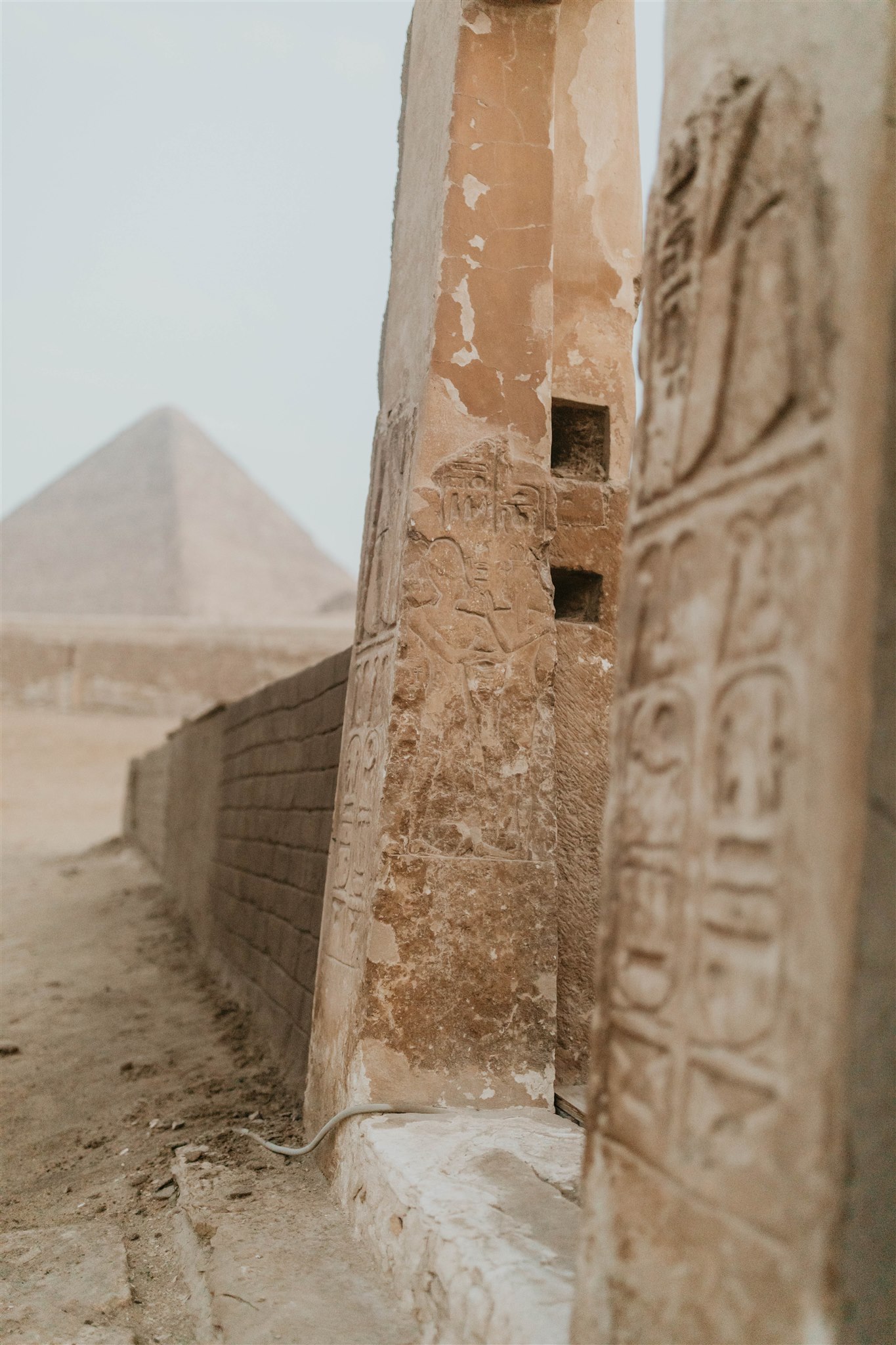
Good dream work also means we give credit. We must know where our habits come from. Many of our modern ways are very old. Things like dream altars and group sharing are old. They have deep roots in Egyptian, Greek, and Native traditions. Knowing this is respectful. It also makes our own work richer. It connects us to a long history of people.
In the end, the journey from night to day is about mixing. We weave dream pictures into art. We weave them into movement. We weave them into our habits. We share dreams with care. When we do this, we turn dream pictures into lasting help. This grounds the dream’s language in our real, daily life. It makes each morning a new chance. It is a chance to act on the wisdom we got in our sleep. In this way, the night’s doorways stay open.
You do not need a special gift. You can turn dreams into help. Use small habits. Pay attention to your feelings. Write in your notebook every day. Act on the small feelings you get. Let the meaning come on its own. Your nights are already wise.
by The Acedemy of Oracle Arts