
How to Craft Your Own Rite of Passage
How to Craft Your Own Rite of Passage
Sometimes, the moment right before a change feels stranger than the change itself. Years ago, I quit a job. I did it on a whim. I threw their office key into a pond. Then, I walked through the city all afternoon. I had no plan. I was half scared. I was half happy.
It turns out, that afternoon was my real ceremony. It was messy. It was not planned. But it left a bigger mark than any paper or party. These awkward moments shape us. Rites of passage are not just old ideas. They are living ways to handle change. They help us imagine new ways to be in a world that is always shifting.
Why the Middle Matters: Hugging the In-Between Space
In every big change, there is a moment. The old you has faded. But the new you is not clear yet. This is the “liminal space.” It is the blurry, in-between phase. Wise people have studied this. They say it is key to change. This space is not just a pause. It is not just waiting between two chapters. It is the heart of the journey. It is where deep change grows roots.
This in-between space often feels odd. You might feel lost. You might move to a new city. You might end a long relationship. You might start a new job. This strange feeling is not bad. It is not a sign of failure. Instead, it is a sign. You are crossing a real line. The old ways do not fit. The new ways are not ready. In this gap, the old rules fall away. This makes room for something new.
What is this In-Between Space?
There is a classic pattern for change. It has three parts. First, you separate. Second, you are in the middle. Third, you join back in. The middle part is special. It is called the “belly of the whale.” It is the “road of trials.” This is where you are forged into something new. This phase is marked by being unsure. It has challenges. It can be confusing. But these are not bad things. They are needed for growth.
- Being Unsure: The line between past and future is blurry. Old habits go away. New ones are not here yet.
- Challenge: You face tests. You face trials. These strip away what you do not need. They show your hidden strengths.
- Potential: Nothing is certain. This means anything is possible. You can imagine new things.
Everyday Lines: The Middle Space in Modern Life
This space is not just for old rituals. It happens in everyday life. It happens when you least expect it. Think about a teacher who retires. She spends a whole summer feeling lost. She has no work. She drifts through her days. She is not sure what comes next. At first, this feels like wasted time. But in the quiet, she finds something. She loves making pottery. The “lost” summer becomes a time of rebirth. It was only possible because she had that open, unsure time.
Many people feel this. It happens after a breakup. It happens in a new city. It happens between jobs. These times can feel bad. But they are full of promise. When the old you falls away, you are free. You can explore. You can try new things. You can imagine new ways to be.
Symbolic Acts for the Middle Space
Because this time is so blurry, it helps to mark it. You can use small acts or rituals. These do not need to be fancy. The key is to make a “cup” for the experience. This gives you space to think and grow.
- Vision Quests: Spend time alone in nature. Get away from noise. Seek clear thoughts.
- Quiet Time: Take a time of silence. Listen to your inside voice. Notice what comes up when the noise stops.
- Journals: Keep a special book. Write down thoughts. Write down dreams. Write down feelings during this in-between time.
- Creative Art: Make art. Make music. Move your body. This helps you process the changes.
The Middle Space as a Fire for Change
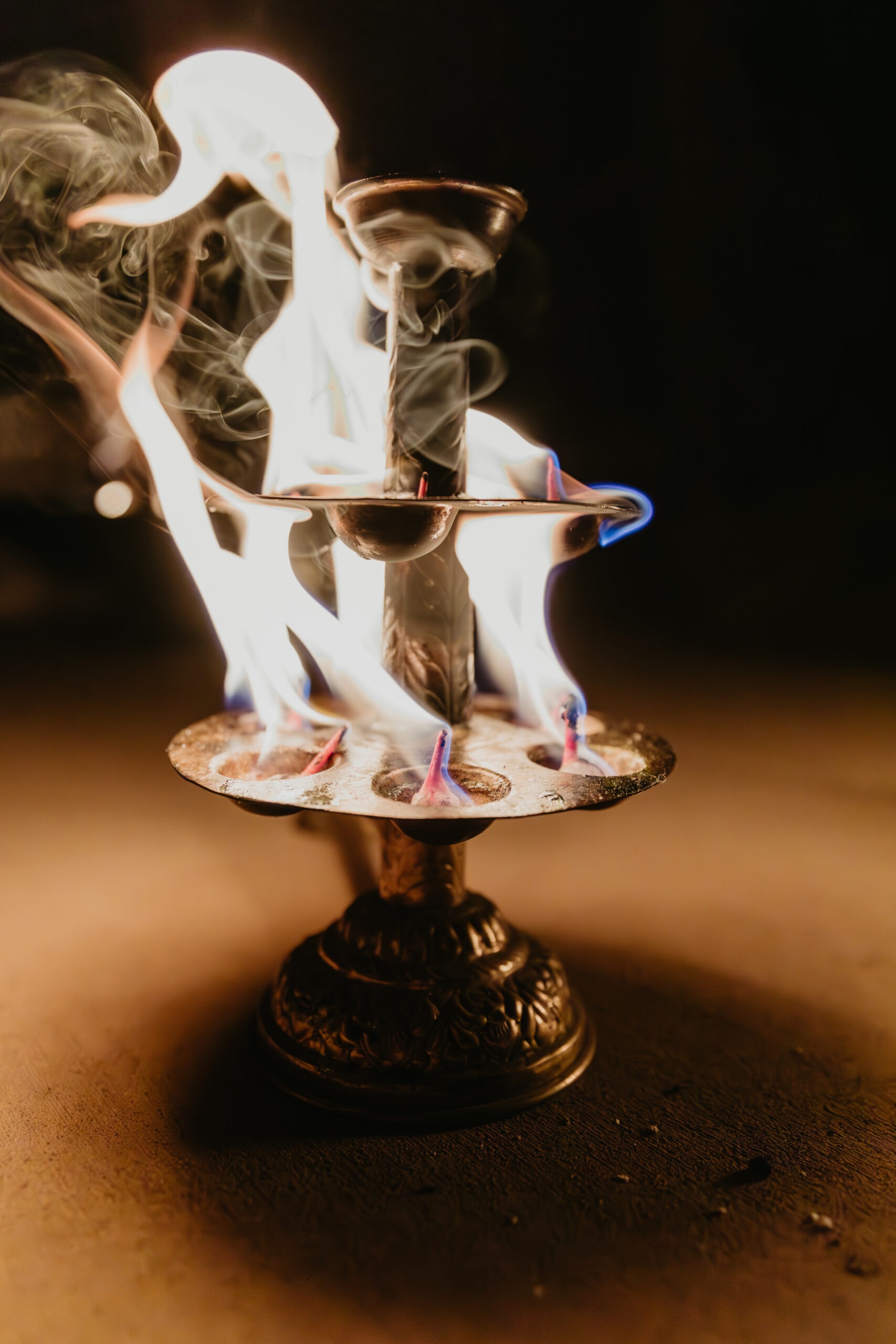
Feeling uncomfortable is a sign. It means real change is happening. This phase is like a fire. The old self is melted down. The new self is forged. The challenges are not just side effects. They are the tools. By accepting the uncertainty, you let yourself be reshaped.
In short, the middle matters. It is where the work happens. Do not rush through it. Tend to it like a garden. Honor this phase. Use ritual. Use patience. If you do, you can move past the line. You will come out changed.
Rituals on Your Terms: Designing Your Own Rite of Passage
For a long time, people have used rites of passage. They mark when we outgrow old selves. We step into new ones. Old rituals often happen in temples. Or they happen in wild places. But the heart of change is in your goal. It is in the challenge. It is in bringing it all together. Today, anyone can make a meaningful rite of passage. You can use old patterns. You can adapt them to your needs. Here is how to design a ritual for your own journey.
Naming the Change: What Are You Leaving?
Every ritual starts with being clear. Ask yourself: What am I truly leaving behind? This could be a job title. It could be a relationship. It could be a habit. It could be an old story you tell yourself. Naming the change is powerful. It brings the invisible into the light. It makes your goal real. For some, this means saying a career path is over. For others, it means letting go of doubt.
- Reflect: Write down what no longer fits.
- Ask: Who am I becoming? What calls me forward?
Choosing a Cup: Setting the Stage
Change needs a “cup.” This is a defined time or space. It holds you through the process. This could be simple. Dedicate a weekend to be alone. Or make a month-long creative challenge. For one person, the cup was two weeks without a phone. They stayed in a cabin. They made space for new thoughts. The cup signals your mind. It tells your body that something big is happening.
- Time: Set aside specific days or weeks.
- Space: Choose a meaningful place. A forest. A studio. Your own room.
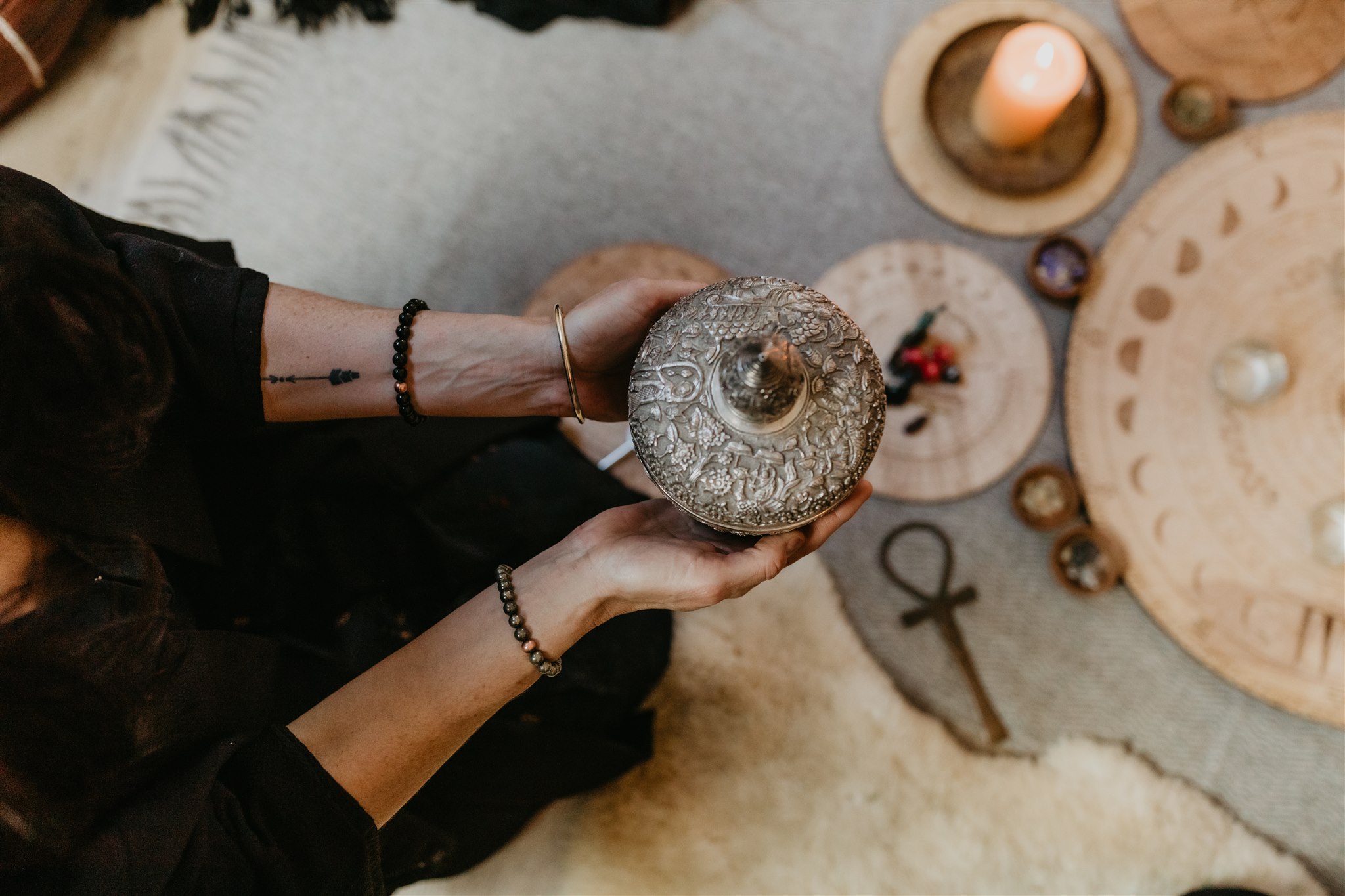
- Special Act: Light a candle. Wear a special item. Create a small table with items you love.
Separation: Saying Goodbye to the Old Self
Separation is a choice. It is the moment you honor what you are leaving. This can be a big ritual. Or it can be simple. Some write a goodbye letter to their old self. They say thanks. They say goodbye. Others give away old clothes. They clear out a workspace. They take a bath. The key is to make it conscious. It is a clear marker. You are crossing a line.
- Write: A letter to your old self. Then burn it or bury it.
- Release: Let go of objects. Let go of habits. Let go of routines tied to your past.
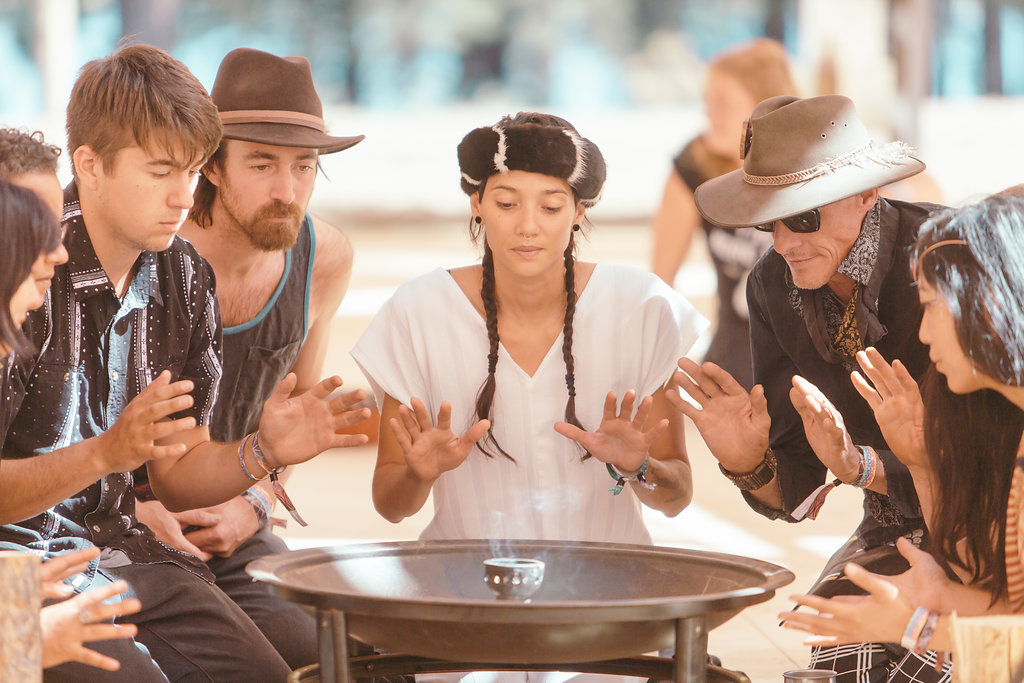
- Ceremony: Gather a few close friends. Let them see your goal.
The Middle Challenge: Hugging the In-Between
The middle phase is the heart. Here, the old self is gone. But the new one isn’t ready. This is often uncomfortable. But it is where growth happens. Step into discomfort on purpose. Try something new. Write in a journal daily. Seek support from mentors. For some, this means a solo trip. For others, it is learning a new skill. Or it is fasting for a time.
- Challenge: Set a personal goal. Make it stretch you.
- Witness: Ask a friend to check in on you.
- Anchor: Carry a small object. Let it remind you of your journey.
Celebrating the Return: Claiming Your New Self
After the challenge comes the return. You re-enter life. You are your changed self. This is the time to share. Share what you learned. Let others see your change. Gather friends for a meal. Show your art. Read something aloud. Being seen helps lock in the change. It anchors your new self in your community.
- Share: Tell your story. Show your art. Offer your new skills.
- Celebrate: Host a party. Or have a special meal with loved ones.
- Commit: Say your new path out loud to others.
Follow these steps. Name the change. Choose a cup. Mark the separation. Hug the middle. Celebrate the return. Anyone can design a rite of passage. It is personal. It is also universal. The tools are simple. But the impact can be huge.
Old and New: Honoring Tradition While Making It Yours
History is full of rites of passage. They are powerful markers. Native ceremonies follow the seasons. Monks follow the moon. These traditions are rooted in nature. They are rooted in community. Yet, at their core, the power is not in the form. It is in the intent. In the modern world, many of us are between cultures. We are outside of formal traditions. The question becomes: how do we honor old wisdom? How do we create something real for ourselves?
Old rituals often align with nature. Solstices. Moon phases. Major life changes. These moments are chosen for a reason. They match the cycles of growth. They match renewal. When crafting your own rite, think about nature. How might your process echo these rhythms? Perhaps your change matches the start of spring. Or the start of a new decade. Or finishing a big goal. The timing can be key. It anchors your change in the big dance of life.
However, we must be respectful. Many old rituals are sacred. They belong to specific cultures. They are not meant to be copied. Ethical adaptation means honoring the roots. Do not steal closed rites. Instead, look for open elements. Fire. Water. Silence. Art. These are building blocks. You can weave them into your own process. This does not erase their source.
For some, the best rituals blend old and new. A sunrise swim in winter. Smashing a keyboard after a big project. Asking friends to witness a vow. These are bespoke rituals. They carry the spirit of initiation. But they do not copy one tradition. The key is to choose actions that feel hard. They must feel important to you. They mark the line between who you were and who you are.
Here is an example. A friend saw a film on Japanese tea ceremonies. She was inspired. She created her own simple ritual. She used it to start each new work project. She would light a candle. She would take a few moments of silence. She would set a clear goal for the work. This practice was not a direct copy. It was a respectful adaptation. She borrowed the spirit of mindfulness. She made it her own. Over time, this small act became powerful. It signaled the start of a new journey. It honored the change from one chapter to the next.
When designing your rite, remember the heart. The heart is your intent. Ask yourself what you are truly marking. What are you releasing? What do you wish to carry forward? Choose symbols that fit your story. Choose actions that fit your story. Choose witnesses that fit your story. You can draw from the moon. You can draw from elders. You can draw from your own mind. Your rite becomes a bridge. It connects tradition and new ideas.
In the end, the best rituals honor the past and present. Borrow wisdom from those before you. But dare to make the journey your own. As you cross your next line, let your rite reflect you. Let it show where you have been. Let it show the unique path you are making. In this way, you keep tradition. You also write your own story.
You don’t need a temple. You don’t need a mountain. With clear steps, you can mark your change. Name your change. Mark the end. Face the in-between. Celebrate the return. Anyone can design a rite of passage. Even a small act is powerful. Just cross the line with open eyes.
by The Acedemy of Oracle Arts