
Green Elders and Sacred Allies: Unearthing the Mystique of Blue Lotus, Mugwort, and Cacao
Green Elders and Special Friends: The Magic of Blue Lotus, Mugwort, and Cacao
It started with a strange cup of tea. I was on a retreat in the hills. The tea tasted smoky. It was a flavor I did not know. It tasted like earth. But it also made me feel very happy. Later, I learned what it was. It was Blue Lotus. This plant was loved by Egyptian kings long ago.
That surprise cup of tea started a long journey for me. I wanted to know more. How do plants become more than medicine? How do they become teachers? How do they become bridges to special places? How do they become friends? This post is a walk through old stories. It is a walk through new habits. It is a walk through my own life. We will also be careful. Let’s be real. Not every old way needs to come back.
When Flowers Carry Sunlight: Blue Lotus in Old Egypt
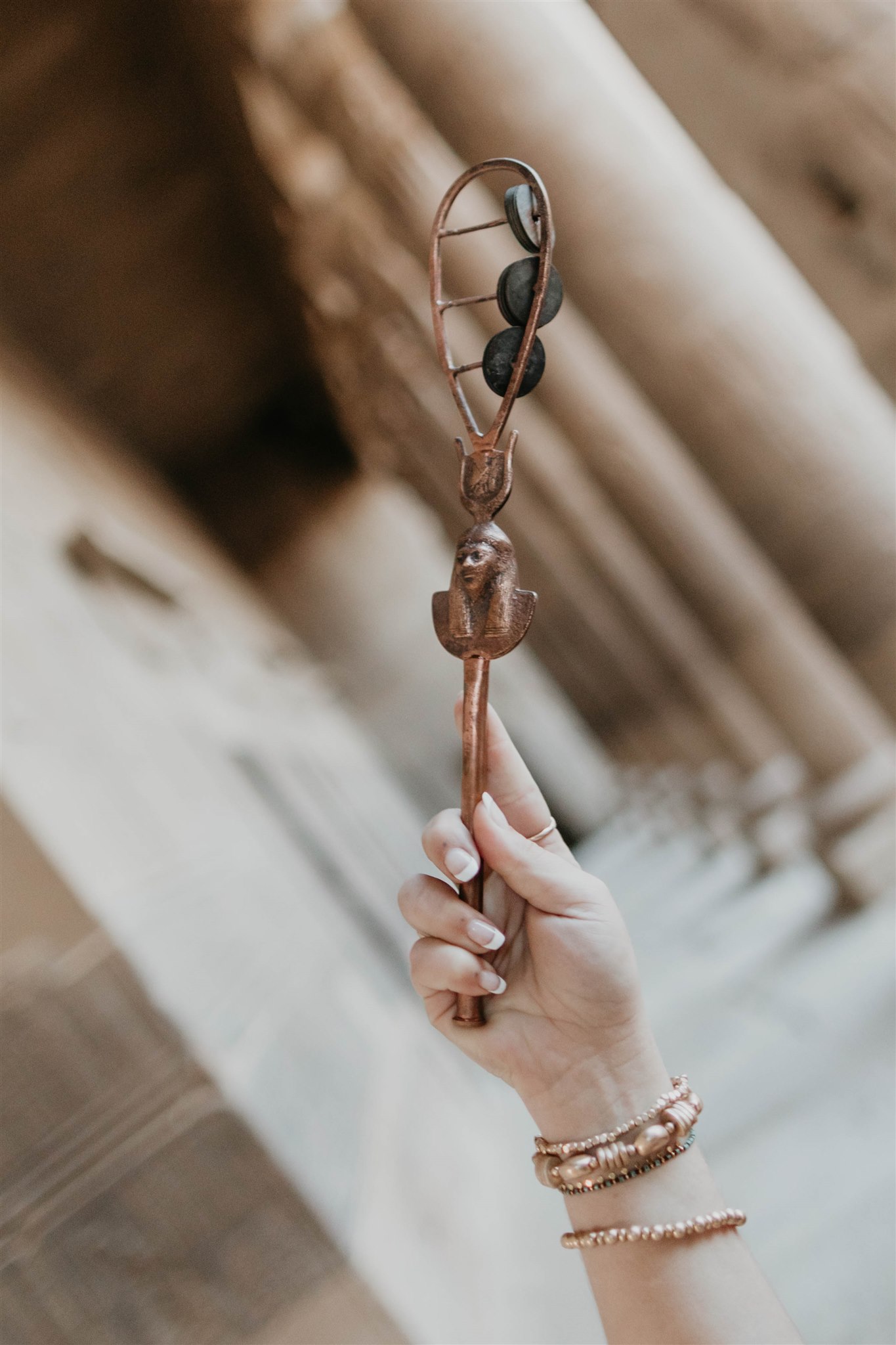
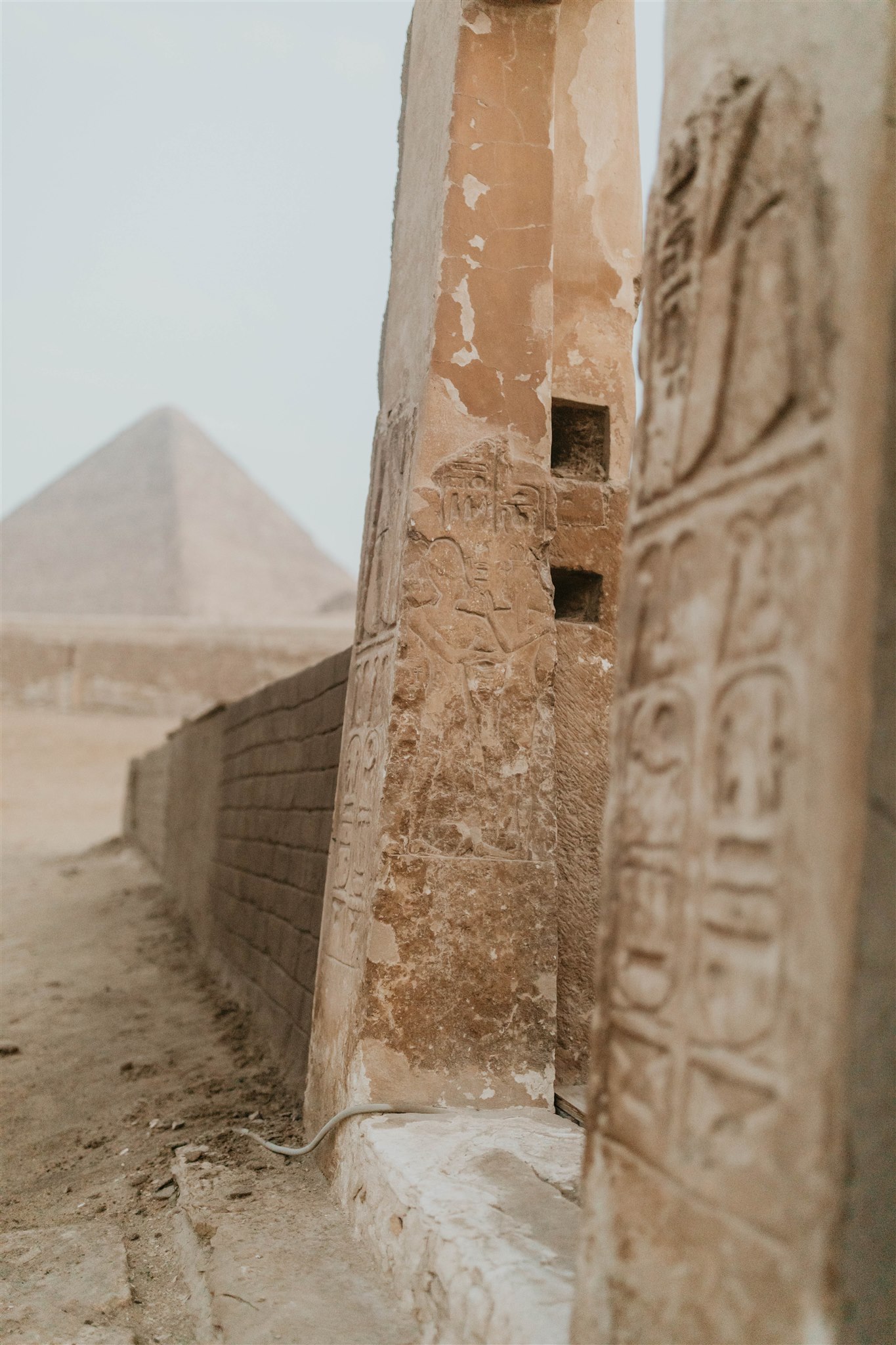
The blue lotus is often called the “Flower of the Sun.” It has held human interest for thousands of years. In old Egypt, this bright flower was very important. It was more than just a pretty plant. It was a living sign. It was part of the spirit life. It was part of art. It was part of daily life near the Nile River. We see it in tomb art. We see it in temple carvings. We see it in special rituals. This shows deep respect. People saw the plant as mystical. They saw it as a bridge. It was a bridge between the earth and the gods.
Blue Lotus in Old Art and Spirit Ways
The blue lotus shows up a lot. It is on the painted walls of tombs. It is in the stone carvings of temples. Kings and gods often hold the flower. Or, the flower is all around them. The flower seems to float above the water. It opens its petals to the morning sun. This picture is not by chance. The blue lotus was a strong sign. It meant being born again. It meant coming back to life. Each day, the flower opens with the sun. It closes when the sun goes down. This copies the sun’s cycle. It links the flower to the sun god, Ra. It links it to life that never ends.
In art for the dead, the flower is special. It is often near the nose of the dead person. Or it is near the nose of a god. This suggests a job. The flower wakes up the soul. It guides the soul to the light. The flower smells very good. It has a bright color. This made it a good friend for the trip to the next life. It promised beauty. It promised spirit growth.
The ‘Flower of the Sun’: New Life and Joy
The blue lotus is linked to the sun. It is linked to water. This made it a strong sign for new life. In old myths, the world was born from water. The first blue lotus came out of this water. It gave birth to the sun. This story puts the flower at the start of everything.
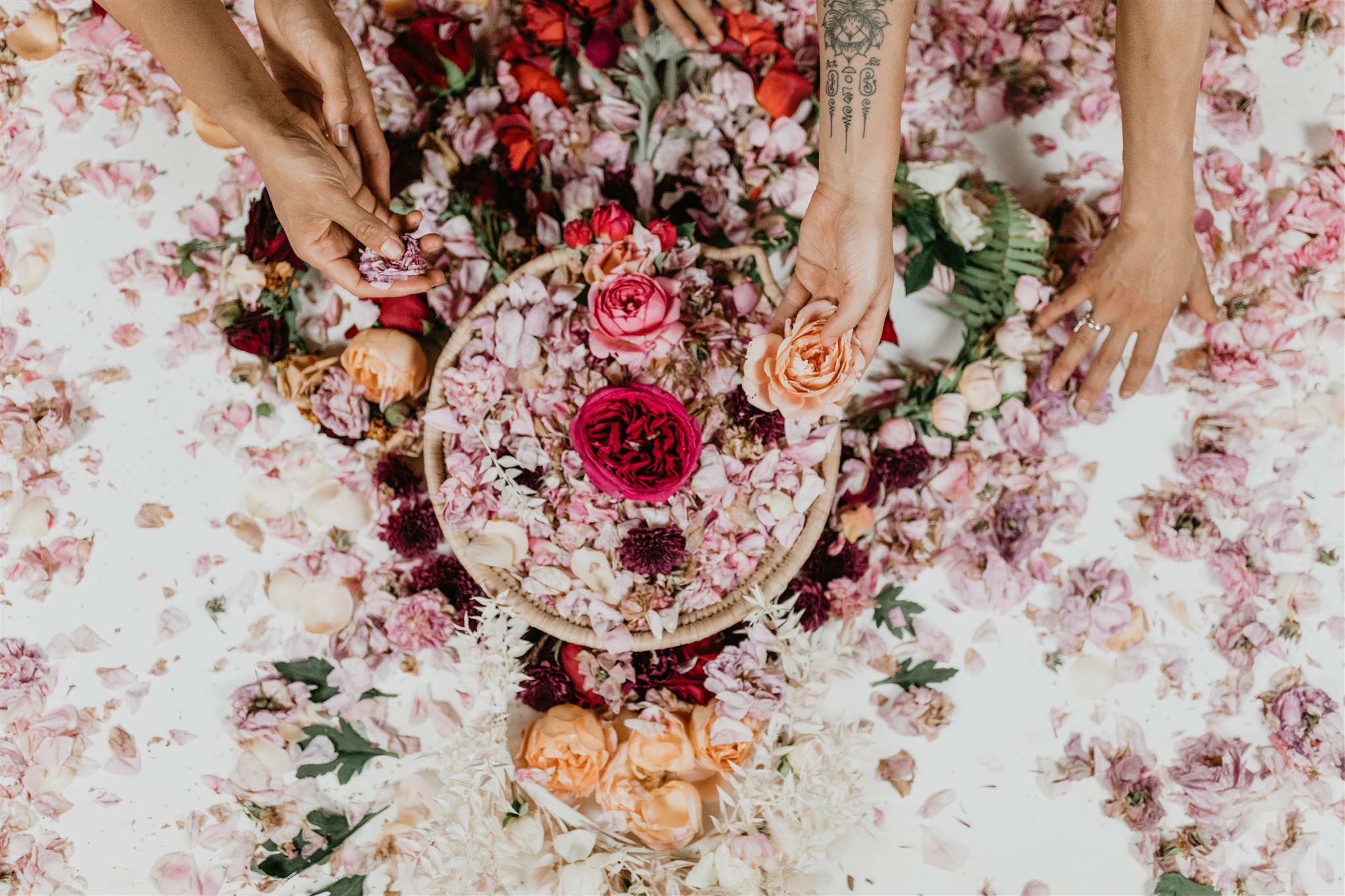
It was also a flower for joy. It was for parties. We see pictures of big feasts. Guests wear lotus flowers. They hold them high. The flower makes people feel good. It brings feelings of joy. It brings feelings of love. It brings feelings of connection. These traits made it a favorite. It was used at parties. It was used in rituals for love and music.
Old Ways to Use It: Wine and Gifts
People used blue lotus in many ways. The petals were put in wine. This made a special drink. It helped people relax. It lifted the mood. It opened the heart. People drank this wine at special times. They drank it at feasts. It blurred the lines between spirit and feeling good.
- Tea: People soaked blue lotus in water or wine. This brought calm and gentle joy.
- Gifts: Flowers were put on altars. They were put in tombs. They were gifts to the gods and family from the past.
- Smell and Healing: The flower was linked to Nefertem. He was the god of healing and smells. The flower was used in oils. It was used for spirit and for health.
Stories and Gods: Nefertem and the Blue Lotus
The blue lotus was tied to Nefertem. He was a young god. He was the god of beauty and the sunrise. The story says Nefertem came from a blue lotus. He came out when the world started. He brought the flower’s smell to the gods. This story showed the lotus as a bringer of light. It brought new life. It brought the gods’ favor.
Why did the old Egyptians love this flower? It opened with the sun. It smelled amazing. It changed how they felt. The flower had a special energy. It lifted the mood. It opened the heart. It helped with deep thought. It was a loved friend in all parts of life.
The blue lotus carried sunlight. It carried it in its yellow center. It also carried it in its power. It had the power to wake people up. It had the power to change them.
The Dreamkeeper and the Heart-Opener: Mugwort and Cacao
Some plants are more than medicine. They are friends in prayer. They are friends in dreams. They help us change. Each one has a story. The story goes back many years. It goes across many lands. Mugwort and cacao are two of these plants. They are living bridges. They link old wisdom to new habits. Each one offers special gifts. They help people who look for deep connection.
Mugwort: The Dreamkeeper
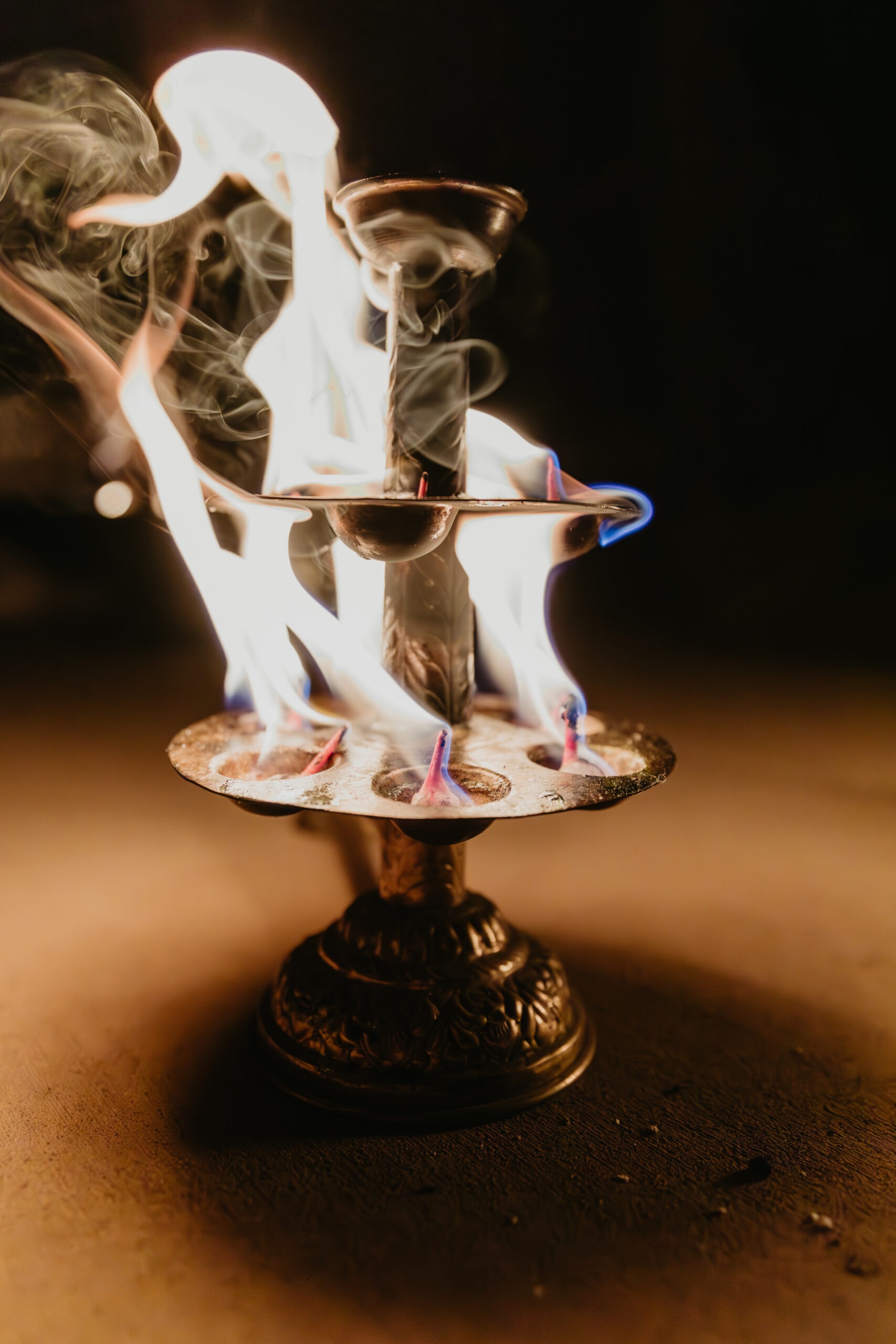
Mugwort has woven itself into stories. It is in the daily lives of people from Europe to North America. In old Europe, tales say travelers used it. They put mugwort in their shoes. This helped them not get tired on long trips. They hung it over doors. This kept bad spirits away. In Native American ways, people burned it. The smoke cleared the space. It invited dreams. Across all these places, mugwort is loved. It is a “dreamkeeper.” It is a plant friend. People believe it opens the gates of knowing. It opens the gates to the unseen world.
- Stories: Mugwort is a guardian. It protects travelers and dreamers.
- Dream Work: People use it in pillows. They use it in tea. They use it in smoke rituals. It is said to make dreams bright. It helps you know you are dreaming.
- Inner Knowing: Mugwort opens inner channels. It is a favorite for those who seek guidance from inside.
My Story: A Week with a Dream Pillow I was curious about mugwort. People said it helped dreams. I tried sleeping with a mugwort pillow. I did this for a week. I only sort of remembered one dream. I saw fleeting pictures of a forest. I heard a far-off song. But the smell was nice. It was earthy. It was like herbs. It made me feel grounded. It was comforting. Even without big dreams, the habit was nice. It brought a sense of calm to bedtime.
Cacao: Medicine for the Heart
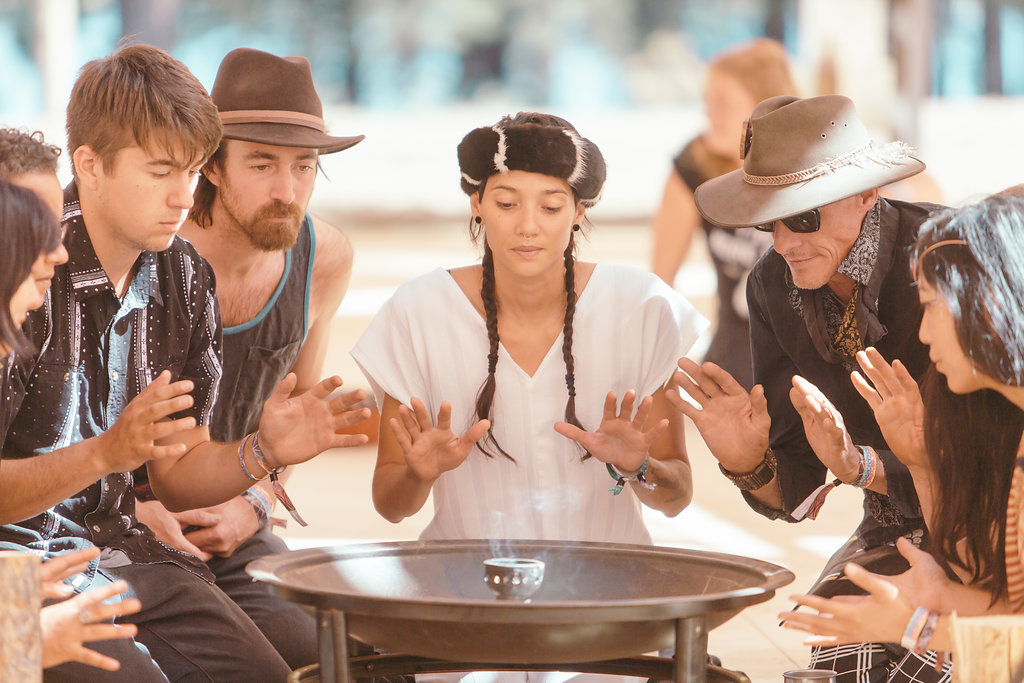
Cacao has roots in old ceremonies. It comes from the Maya and Aztec people. It was known as “food of the gods.” Cacao was more than a treat. It was a spirit connector. It was offered to gods. It was shared in rituals. People gave thanks. They asked for plenty. They asked for union. Today, cacao ceremonies are coming back. They invite people into heart-centered spaces. They help with healing feelings. They help with creativity. They help with community.
- Ancient Roots: Cacao was eaten in big feasts. It was mixed with spices and honey. It was saved for special times.
- New Circles: Today, cacao circles mix old and new. People drink a warm, rich cacao drink. They listen to music. They share. They sit quietly. Or they make art.
- Feeling Layers: Cacao lifts the mood gently. It helps people open their hearts. It helps them connect with others. It helps them be real.
Special Energy: Inner Knowing and Connection
Both mugwort and cacao change how you feel. But they are different. Mugwort feels like the moon. It is subtle. It is mysterious. It invites dreams. It invites visions. It tastes a little bitter. It tastes earthy. It grounds you. Cacao feels like the sun. It is big. It tastes rich and like chocolate. It comforts you. It gives you energy. It wakes up the mind gently. It softens emotional walls. It fosters warmth.
| Plant Friend | Energy Type | Main Effect | Flavor |
| Mugwort | Inner knowing, safe, dreams | Opens inner sight, helps dreams | Earthy, bit bitter, herbal |
| Cacao | Heart-opening, connecting, happy | Helps open feelings, community | Rich, chocolatey, mild bitter |
Export to Sheets
In today’s world, both plants invite us to slow down. They ask us to honor the subtle magic of nature. You can use them in a quiet dream ritual. You can use them in a lively group circle. These green elders remind us. Change can be gentle. It can be led by the heart. It can be rooted in the past.
Being Responsible: Ethics and Safety with Special Plants
To walk the path of plant wisdom is a relationship. It is a living bond. It demands respect. It demands a humble heart. It demands care. Blue lotus, mugwort, and cacao are not just tools. They are not just trends. They are old friends. They have a family line of stories. They have spirit. As interest grows, so does duty. We must approach them well. We must honor the plants. We must honor the people who loved them for so long.
Finding the Plants: Choosing with Care
The journey starts with finding the plants. Not all “blue lotus” is real. Sometimes, it is just a normal water lily. It might be a different plant entirely. I learned this lesson myself. Imagine my surprise. I made a careful cup of “blue lotus” tea. It turned out to be pond lily tea. It had no flavor! It was embarrassing. But it showed me something important. You must know your source. Seek out organic herbs. Look for herbs grown for ritual. Ask questions. Ask where they grew. Ask how they were picked. Support small growers. Support native communities. This helps keep the wisdom alive. It stops people from using the plants badly.
Getting Ready: Honoring the Old Ways
Making the plant ready is more than a recipe. It is a bridge to the past. Blue lotus was not just thrown into a drink. It was put in wine or tea with care. It was for special reasons. Mugwort’s role as a dreamkeeper is old. It goes back hundreds of years. It was used in smoke cleaning in Europe. It was used in dream pillows in Asia. Cacao ceremonies have rules. Native people guide them. Each step has a purpose. From roasting to brewing, it matters. It can be tempting to rush. We want to feel the “vision.” But real change comes from respect. Take time to study. Learn traditional ways. Treat each step as a special act. Do not look for a shortcut.
Asking and Safety: Knowing Your Limits
Not every plant is safe for every person. Mugwort is not for pregnant women. It can mess with some medicines. Blue lotus is gentle for many. But it may not be good for some health issues. Cacao opens the heart. But it has things that can raise blood pressure. It can mix badly with happy pills. Consent is not just about being ready. It is about knowing the facts. Research each plant. Talk to people who know. Listen to your body. When sharing these plants, tell people the risks. Respect the limits of others. Safety is an act of care. It is care for yourself. It is care for the group.
Giving Back: Being Kind to the Green World
The heart of good plant work is giving back. These plants are not just things to use. They are not trash. They are living beings. They deserve thanks. They deserve respect. Say thank you before you pick them. Say thank you before you make them. You can sing a song. You can say a prayer. You can say a simple word. Care for the earth. Plant seeds. Support good farming. Help in a garden. Even small acts count. You can make compost. You can pick up trash. You can sing to your house plants. Even if you sing badly, it is a gift. Giving back changes things. It turns using into sharing. It deepens the bond between human and plant.
In the end, the magic of these plants is not in the big feelings. It is in the depth of the bond. To work with these special friends is to remember. The plant world is not a store. It is a community. We must honor it. May every cup remind us. May every curl of smoke remind us. Ethics and limits are not walls. They are the base of true connection. In this way, the green elders guide us. They heal us. They inspire us. We only need to listen with respect.
In short: Special plants like Blue Lotus, Mugwort, and Cacao are more than simple healers. They are old friends in ceremony. They help with dream work. They open the heart. They mix old wisdom with new mindfulness. Use them with care. Honor the old ways. Let your wonder lead you.
by The Acedemy of Oracle Arts