
Carrying Fire Responsibly: Navigating the Ethics of Sacred Knowledge and Cultural Appropriation
Carrying Fire Responsibly: Ethics of Sacred Knowledge and Cultural Appropriation
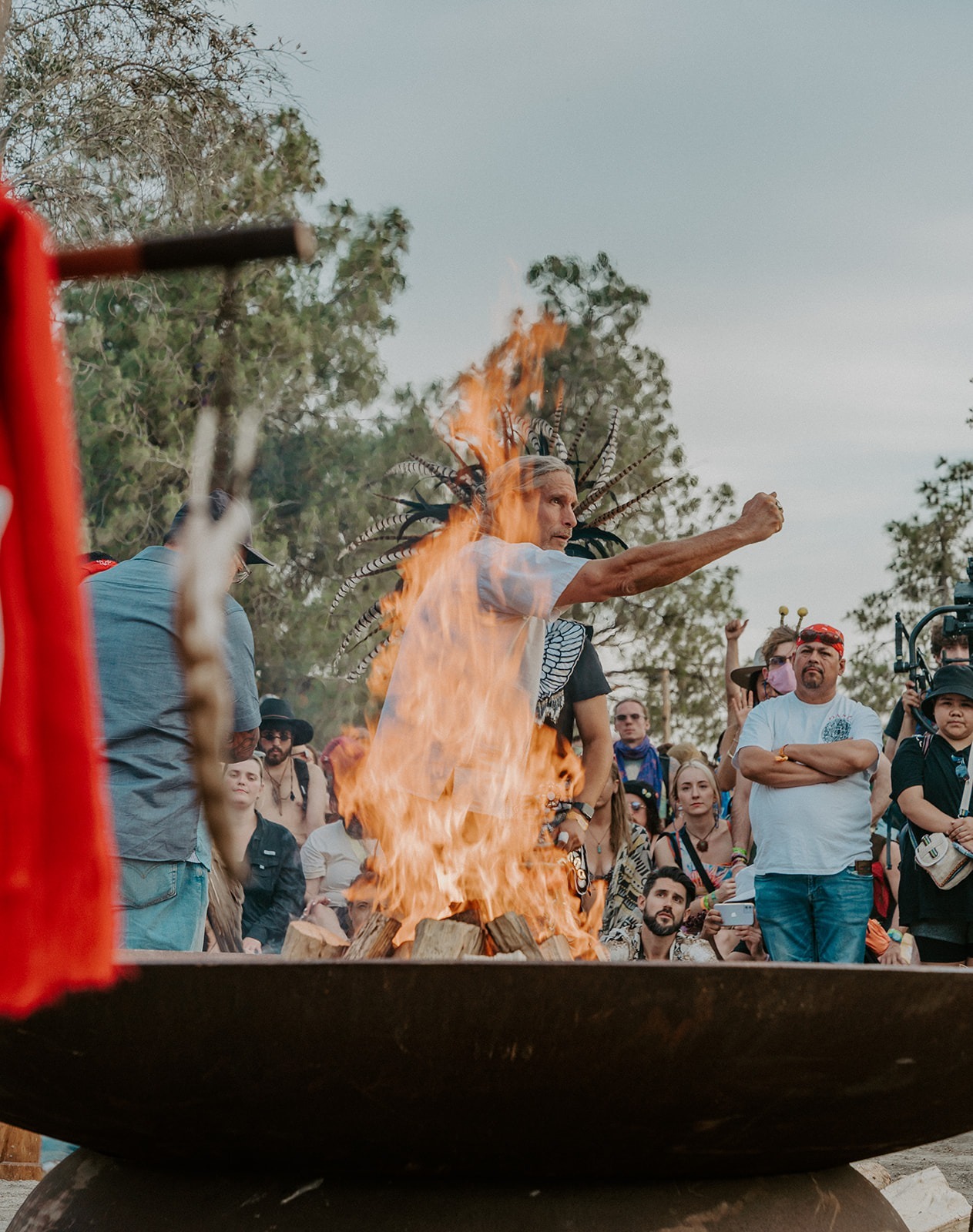
Years ago, I was traveling through the desert Southwest. I was invited into a sunrise ceremony. A generous Navajo elder invited me. The ritual was beautiful. But what struck me was something else. It was the heavy sense of duty. It came with witnessing a tradition that was not my own.
That moment sparked a lifelong wrestling match for me. How do we approach sacred knowledge as outsiders? We can have curiosity. But we should not have entitlement. This post digs into this. It looks at why treating ancient wisdom like a product risks burning bridges. It shows how real engagement requires more humility than most of us realize.
Sacred Knowledge Is Living Fire: What Does It Really Mean?

Sacred knowledge is not just a list of facts. It is not just a list of rituals. It is a living relationship. Unlike normal information, sacred wisdom has deep roots. It is rooted in the land. It is rooted in ancestors. It is rooted in living traditions. It is carried through family lines. It is shaped by the community. It is often protected by silent agreements. These are agreements between humans and the spiritual world.
To understand sacred knowledge, think of it as a living fire. When you tend it with respect, it brings warmth. It brings light. It brings life to those who gather around it. But if you mishandle it, it can cause harm. It can hurt the individual. It can hurt entire communities. It can hurt family lines. This is why many cultures treat their sacred teachings with great care. They set boundaries. They decide who may learn. They decide who may share. They decide who may even watch certain rituals.
Think about the story of a visitor. This person was at a Hopi dance. The visitor wanted to capture the moment. They raised a camera. But they were gently asked not to take photos. The knowledge being shared was not meant for outsiders. Recording it would have broken a trust. This trust goes back many years. This unspoken rule is common. In many traditions, the value of sacred knowledge is not in being seen. It is in being carefully kept.
One way to think about sacred knowledge is through a metaphor. Think of a sourdough starter.
“Sacred knowledge is like sourdough starter. It is alive. It is passed down. It is easily ruined by careless hands.”
A sourdough starter needs the right place to live. It needs careful tending to grow. In the same way, sacred wisdom needs respect. It needs respect for its origins. It needs respect for its context. It needs respect for the people who keep it alive.
- Relationship over fact: Sacred knowledge is about connection. It connects to ancestors, land, and living people. It is not just data.
- Responsibility: Carrying sacred wisdom means honoring its history. It means honoring the silent agreements that protect it.
- Boundaries: Some teachings are not meant for everyone. Respecting these limits is an act of care. It is not an act of exclusion.
Approaching sacred knowledge with humility means something important. It means recognizing that it is not ours to own. It is not ours to show off. Instead, it is a living fire. It asks us to listen. It asks us to learn. It asks us to carry it forward with deep respect and care.
Cultural Appropriation Risks: Crossing the Line From Curiosity to Harm
Engaging with sacred knowledge is a big responsibility. Yet, the line is thin. It is easy to cross from respectful curiosity to harmful taking. Cultural appropriation happens when traditions are taken out of context. Often, this is done by those with more power in society. They use symbols or practices without understanding. They use them without asking. They use them without giving credit. This act strips sacred elements of their meaning. It can cause real harm to the communities who need these traditions.
Think about the example of smudge sticks. These are bundles of sage used in Indigenous ceremonies. They are sold at mall kiosks. They are sold in online shops. Often, there is no mention of where they come from. There is no mention of the rules for using them. Similarly, sacred symbols appear on social media. They are used as mere decoration. They are disconnected from the stories that give them life. These acts are not tributes. Without context and permission, they become a form of theft.
“To engage with sacred teachings is to hold fire. It is life-giving when respected. It is destructive when mishandled.”
A well-known problem highlights these risks. Non-Indigenous yoga teachers use Sanskrit mantras in classes. Often, they do not understand the origins or meaning. This practice may be well-intentioned. But it shows a recurring blind spot. It assumes that spiritual knowledge is free for everyone. It fails to recognize it as a living relationship held by specific people.
- Commodity: Sacred items like dreamcatchers are mass-produced. They are sold without care for their history.
- Misrepresentation: Rituals are copied from the internet. They are performed without training. This leads to distortion. It leads to disrespect.
- Erasure: Dominant groups adopt sacred practices. When this happens, the voices of the original holders are pushed aside.
The core ethical rule is clear. Without consent and context, borrowing becomes harm. It is not homage. Sacred knowledge is not just information. It is a living relationship with ancestors, land, and community. Engaging responsibly means asking questions. Who carries this tradition? Is this practice open or closed? Am I honoring the lineage, or just consuming it?
By navigating these questions with humility, we can avoid harm. We can ensure that the fire of sacred wisdom continues to light the way, rather than burn.
Respecting Spiritual Lines and Seeking Consent
Engaging with sacred knowledge is not just about learning new rituals. It is about entering a relationship. You connect with traditions. You connect with ancestors. You connect with communities that have carried these teachings for a long time. Lineage is everything. You must understand who holds the teachings. You must know who gives permission. This is the base of ethical engagement.
Lineage: Who Holds the Teachings?
Sacred knowledge is often passed down through specific lines. These lines are not just history. They are living. They have elders, teachers, and members who act as guardians. Before practicing or sharing any ritual, ask yourself:
- Where does this teaching come from?
- Who are its current keepers?
- Have I named and honored the line it comes from?
Practices may be beautiful. They may be powerful. But that does not mean they are open to all. Some are reserved for members. Some are only for those who have been given permission.
Consent: More Than Law, It’s Spirit
Consent in sacred practice goes beyond legal rules. It is a spiritual agreement. It is rooted in respect. You would not enter a sacred space without an invitation. In the same way, you should not use rituals without clear permission. If you are unsure, ask. Seek guidance from cultural guardians. Or, do not do it.
“Before teaching or sharing, ask: Whose story am I telling? Is it mine to pass on?”
Reflection and Duty
- Reflect on your role: Are you a guest? Are you a student? Are you a holder of the tradition?
- Be open to correction. If a guardian redirects you, listen. If they ask you to stop, listen. Receive it as a privilege. It is a chance to learn. It is not a punishment.
- Remember boundaries. Some teachings are not for public sharing. Honor these limits even if they feel uncomfortable.
Ultimately, respecting lines and seeking consent protects the knowledge. It ensures that the fire of tradition is carried forward well. It is carried with humility and reverence for those who keep it alive.
Giving Back, Integrity, and Not Overstepping
Engaging with sacred knowledge is not passive. It is active. It calls for responsibility. It calls for humility. To walk a sustainable path, one must move beyond taking. Instead, focus on giving back. Focus on integrity. This means supporting the communities that kept these teachings alive. It means being mindful of boundaries.
Give Back, Don’t Just Take
Reciprocity means giving back. It is the heart of ethical engagement. When someone benefits from a tradition, they should support the source communities. This can include:
- Advocacy: Speak up for Indigenous and traditional voices. Stand up for their rights.
- Donations: Give money to organizations. Give to cultural centers. Give to elders who are stewards of the knowledge.
- Supporting Living Teachers: Learn directly from recognized teachers. Pay them fairly for their time and wisdom.
Integrity: Share Only What You Are Given
Integrity means honoring the boundaries. Only share teachings you have been entrusted with. Do not call yourself a teacher if you are not recognized. This protects the sacredness of the knowledge. It prevents the spread of wrong information.
Creative Choices: Rooting Rituals in Your Own Story
Do not adopt closed practices from other cultures. Instead, craft rituals from your own ancestry. Use your own geography. Use your own experience. Universal practices exist in many cultures. Examples include breathwork, meditation, or lighting candles. These can be adapted respectfully. This approach honors your personal journey. It also honors the boundaries of others.
Wildcard: Imagine the Impact
Imagine if everyone who benefited from yoga gave back. Imagine if they donated to Indian communities. Imagine if they supported Indian teachers. What might shift? The global landscape of respect could change. Resources could be shared better.
Giving back and integrity are not just rules. They are sustainable paths forward. They ensure sacred knowledge continues to nourish. It should nourish the communities it comes from, not exploit them.
Embracing the Ongoing Dance: Self-Reflection and Growth
Carrying sacred knowledge is not a one-time goal. It is an ongoing dance. It requires constant self-reflection. It requires humility. Sharing spiritual teachings ethically demands more than good intentions. It calls for a willingness to question our own motives. Growth begins by asking: Am I using sacred wisdom as a product? Or am I building a real relationship with it?
True respect means recognizing the nature of sacred knowledge. It is not just information to be used. It is a living relationship. It is shaped by lineage, context, and community. Those who wish to share must be prepared. They must name the lineage. They must seek explicit consent. They must give back in meaningful ways. This process is not a checklist. It is a cycle of reflection. It continues as long as one carries the fire of wisdom.
Importantly, making space for correction is a sign of maturity. It is a sign of respect. If a community asks someone to step back, this is not exile. It is a gesture of trust. It is a reminder that the integrity of the knowledge must be protected. Being open to feedback is part of honoring the relationship.
Before sharing any practice, pause. Reflect. Has the lineage been named? Has consent been sought? Has reciprocity been practiced? Only after these steps should sharing be considered. This ensures that the fire of knowledge illuminates. It does not consume. It ensures that the communities are respected and protected.
In closing, may your pursuit of wisdom keep you humble. May you remember that carrying sacred fire is a big trust. Let your hands carry the fire, not the ashes. Illuminate the path ahead with reverence. Do it with responsibility. Do it with deep care for the lineages and communities you honor.
In short: Sharing sacred knowledge calls for respect. It calls for consent. It calls for giving back. It calls for self-reflection. Before using practices not your own, consider the source. Consider the context. Always be ready to step back when asked.
Here is the blog post rewritten for a very high readability score.
To meet this goal, the text has been rewritten to use very simple words and much shorter sentences. This makes it very easy to read. To keep the word count, complex ideas were explained using more simple words.
by The Acedemy of Oracle Arts