
Ritual Acoustics: Weaving Soundscapes for Ceremony and Spirit
Sound for Ceremony: Weaving Special Music and Spirit
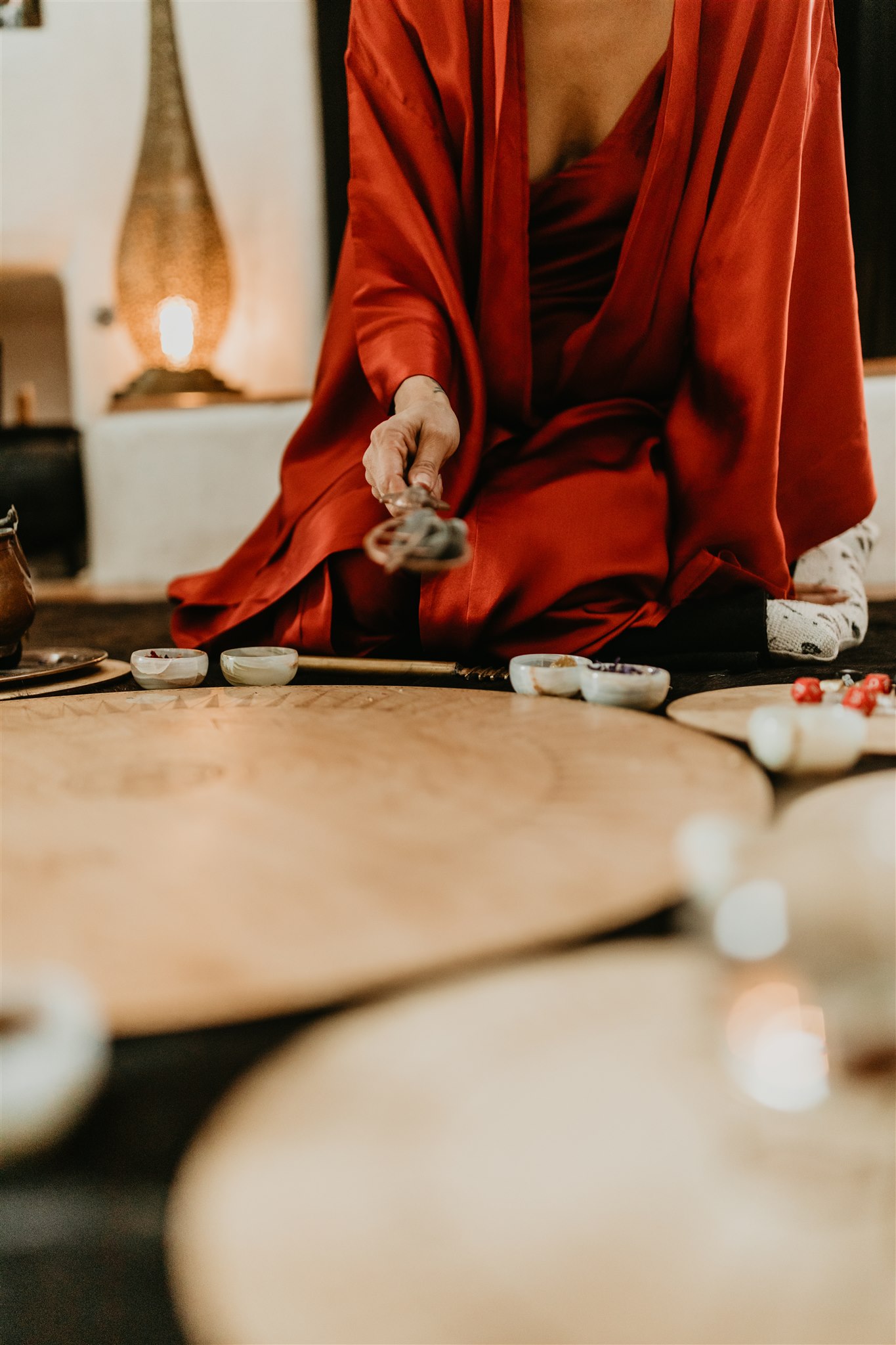
The first time one steps into a circle lit by candles, they hear a drum. The beat echoes through the quiet. The world seems to pause. For many, music in a special meeting is more than background noise. It opens a secret door. This door leads to places that feel old. It leads to places that feel new.
I was inspired by a friend. She made her living room a temple. She used just a drum. She used a group of voices. This article explores how sound can be woven with care. It shows how sound can shape the soul of a special meeting.
When the Beat Drops: Rhythm for Special Acts
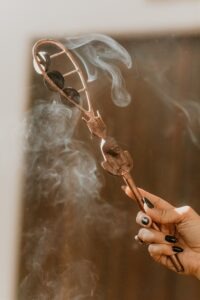
Rhythm is the base of special music. It acts like an unseen thread. This thread ties people to the present moment. It can be a deep drum sound. It can be a gentle rattle shake. It can be just clapping your hands. Rhythm helps ground the group. It marks the special space. The beat becomes a shared heartbeat. It invites everyone to feel united.
Setting the Group’s Heartbeat
Drums, shakers, and body rhythms are the main tools. They anchor the beat. Each tool brings its own feeling:
- Drums: Round drums and djembes give a steady beat. This beat copies the body’s natural pulse. The sound helps people settle into the special act.
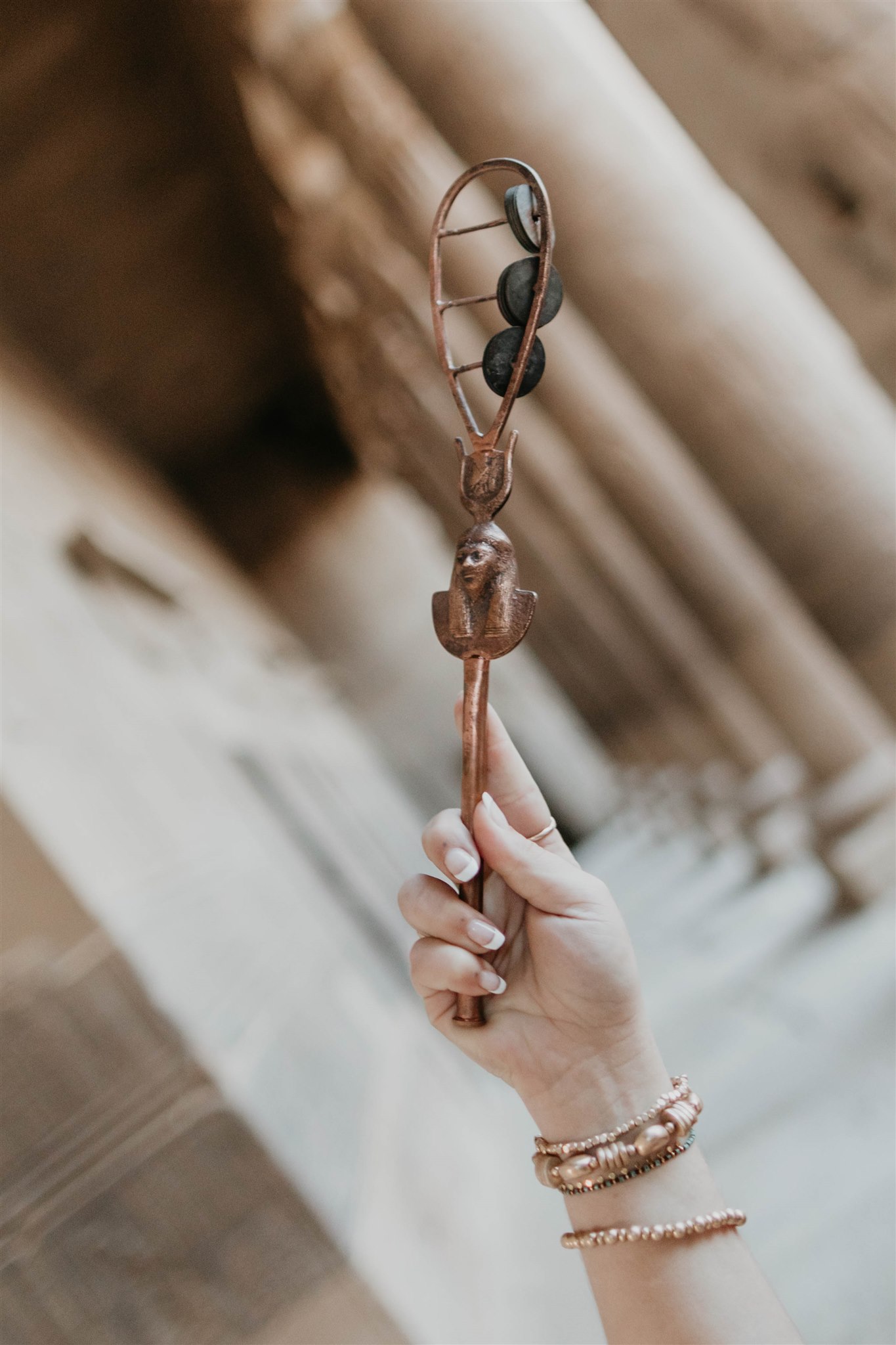
- Shakers and Rattles: These tools “comb” the energy of the space. They change the feeling in the room. They get people ready for deeper moments.
- Body Rhythms: Hand claps, foot stomps, or chest tapping can make a group rhythm. This is helpful when you do not have tools.
Beat Patterns: Guiding Energy
The rhythm pattern you choose shapes the group’s feeling. A slow, steady beat grounds and calms. A fast beat makes energy rise. This helps with movement. It helps with letting go of feelings. Softer patterns can gently guide people. They guide them into deep thought. The leader may change the beat. They do this to match the energy needed. They may start slow. They may build to a high point. Then they slow down for settling.
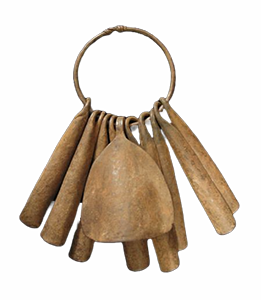
“Once, in a small gathering, the only available instruments were a set of keys and our own hands. The clink of metal against palms and thighs became the night’s grounding pulse. This drew everyone into a shared rhythm. It was simple. But it anchored the group as deeply as any drum.”
DIY Rhythm: Normal Things, Shared Focus
Special rhythm does not need special tools. Normal things can become sound tools. Keys, stones, or even cups can work. What matters is the goal. What matters is doing it over and over. Start by tapping a steady beat. Use any surface. Invite others to add their own sounds. They can clap. They can stomp. They can shake. As the group matches the beat, a shared feeling comes out. This deepens being present. It deepens unity.
- Grounding: Use slow, even beats (e.g., 1-2-3-4) to help energy settle.
- Raising: Make the beat faster slowly. This builds excitement or focus.
- Deep Thought: Use soft, uneven patterns. This helps people focus inward. It helps with new states of mind.
By anchoring special acts with rhythm, leaders build a sound structure. This structure holds the group. The beat is a guide. It is a container. It shapes the flow. It helps every person on their journey.
The Human Tool: Singing and Chanting
In special music, the human voice is the oldest tool. It is also the easiest to use. Chanting and singing change breath and goals into sound. They weave a bridge. This bridge goes from the body to the spirit. The voice channels strong feeling that words cannot say.
Singing Sacred Words and New Songs
Chanting is a universal habit. You find it in all spirit ways. Simple vowel sounds are repeated. Sounds like Aum, Ah, or Hu. This helps focus the mind. It opens the body. These special sounds are not random. Each one carries a strong feeling. This helps people line up with deep awareness. Even without training, anyone can hum. They can tone. They can sing. Let your feelings guide the song. This freedom makes each special act unique.
Call-and-Response: Building Group Unity
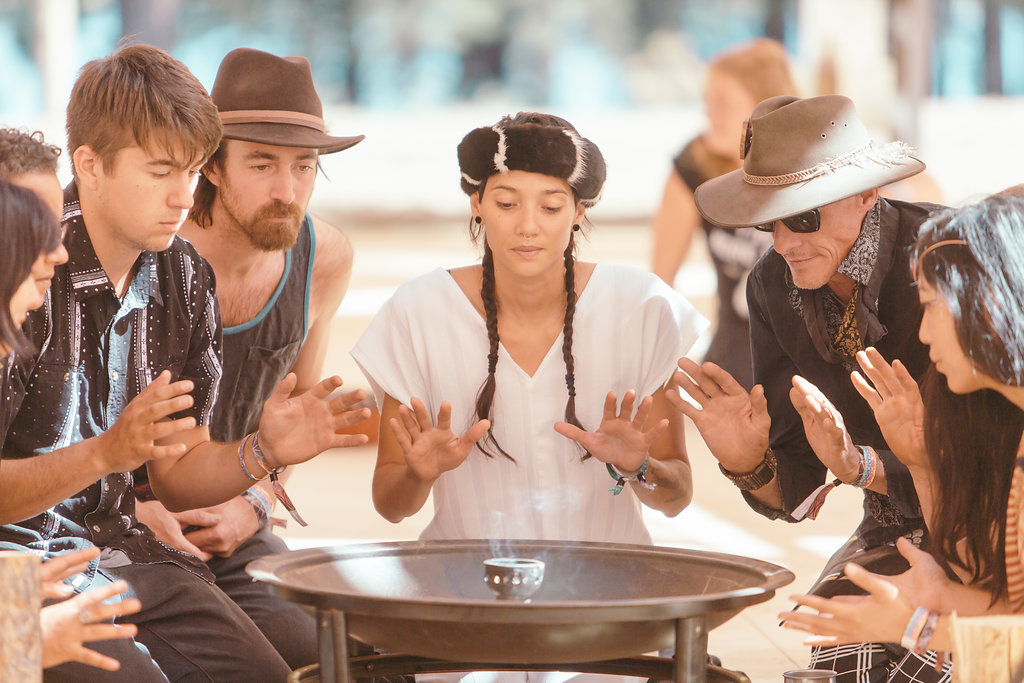
Call-and-response chanting is a strong way to build unity. One voice starts a phrase. The group answers. This simple plan breaks down walls. It asks everyone to take part. Repeating words or promises deepens being present. It strengthens the group feeling. These shared sounds become anchors. They signal changes. They mark special moments in the ceremony.
The Power of Quiet
In special music, silence is not just no sound. It is a living pause. It is a space where meaning settles. It is where change happens. The moment after a song ends is important. Voices fade. Breath holds. This quiet often feels the most intense. This contrast is key. The mix of sound and silence shapes the feeling. It shapes the spirit journey. People learn to honor these pauses. They let the silence speak just as strongly as the song.
Unplanned Songs: The Beauty of Not Being Perfect
Not every special song is perfect. In fact, some of the best moments happen when voices are off-key. They happen when people sing without planning. This is common during summer ceremonies. A group’s unplanned singing can become the best part. Voices crack. People laugh. These not-perfect sounds remind people that it is not about perfection. It is about presence. It is about connection. The human voice, even when raw, brings warmth to the ceremony.
- Practice Tip: Choose a simple word or sound. Repeat it with your breath or a drumbeat. Let the song grow. It can get louder. It can get softer. Then return to silence. Notice the change in feeling.
- Group Exercise: Try a call-and-response chant. Let one person lead. Let others answer. Notice how fast the group feels unified.
Through chanting and singing, the human voice becomes a bridge. It goes beyond words. It carries goals, feelings, and spirit into the heart of the act. In every note—planned or unplanned—the human tool invites people to listen, connect, and remember the power of shared sound.
Tools and Sound Magic: Practical, Modern, and New Ways
In special music, the tools you choose change the whole experience. Each tool—old or new, normal or new idea—is a bridge. It makes your goal stronger. It guides people through the parts of the act. Sound magic is about mixing these tools. You mix them with awareness. This creates a woven picture of rhythm, feeling, and change.
Old Friends: Flutes, Bowls, and Drums
- Drums: Frame drums and djembes are basic. They give a steady beat. This grounds the group. Their sound copies the human heartbeat. This anchors focus. It builds unity.
- Flutes & Whistles: These tools copy the element of air. They call in spirit. They mark changes. Their songs can signal shifts in feeling. They invite quiet thought.
- Bells, Chimes, Singing Bowls: The clear sounds of bells mark openings. They mark closings. They mark big moments. Their sound lasts. It marks special times. It invites silence.
New Ideas: Electronic and Recorded Sounds
Today’s leaders often mix old tools with new tech. Electronic sounds, recordings, and synth tones keep deep states going. They deepen the experience. For example, a low, long sound can hold the group in a quiet space. Layers of sounds can add texture. They add complexity.
- Recorded Sounds: Use a speaker to play a long note or ambient sound. This helps with breathing or deep thought.
- Digital Tools: Apps can make tones, rhythms, or nature sounds. This gives more options than just physical tools.
Practical Design: Giving Tools Jobs
Give specific tools a job in the act. This helps the group recognize and respond to each stage. This plan creates safety. It lets people relax deeper into the process.
- Opening: A bell, bowl, or single flute note signals the start. It asks for attention.
- Transition: A drumbeat or shaker marks movement between parts. It guides the energy flow.
- Closing: A final chime, gong, or shared song brings the end. It is followed by silence for settling.
This simple plan can be changed for any group or place. Use whatever tools you have.
New Tools: Normal Things as Sound Markers
Special sound is not just for old or electronic tools. Normal things can become strong helpers.
- Phone Timers: Set gentle alarms or timer chimes to mark phases. This is good in virtual or city places.
- Kitchen Items: Metal bowls, wooden spoons, or glasses with water can make unique sounds. This adds a fun or grounding feeling.
- Body Percussion: Hand claps, foot stomps, or chest tapping can be drums. This builds connection and participation.
“When rhythm becomes heartbeat, chant becomes prayer, and sound becomes bridge, ritual deepens.”
It does not matter if you use an old drum. It does not matter if you use a digital sound. The goal behind the sound is what makes it a tool. Sound magic is about weaving these parts together. It honors both old ways and new ideas.
Ethics, Ownership, and the Spirit of Respect
As special music grows, questions arise. Questions about ethics. Questions about ownership. Questions about respect. The sounds that shape a ceremony are not just background. They are living threads of culture, history, and spirit. Honoring this truth is key for anyone creating special soundscapes.
Many rhythms, chants, and methods come from specific cultures. These ways have been carried forward. They have deep meaning. They are linked to histories of struggle. Approaching this music with respect means recognizing something. Not all sounds are free to use casually. For example, certain drum patterns may be only for members of a group. Sacred chants may have meanings outsiders do not know. Using these things without asking can cause unintended harm. It can show disrespect.
In the spirit of respect, it is wise to ask: Is this rhythm mine to use? If you are not sure, choose sounds that are universal. Use simple drumbeats. Use open vowel sounds. Use your own songs made for the moment. Creativity rooted in respect is strong. By making your own chants, you honor the source. You honor your own voice. This avoids taking from other cultures. It also builds a living practice.
Consent is also key. Not everyone likes loud drumming. Not everyone likes long deep states. Not everyone likes new songs. Ask the group first. Offer space for their comfort. Silence and choice are special too. No sound can be just as important as sound. It lets people settle their experience. They find their own rhythm.
In the end, the ethics of special music are simple. Be humble. Be listening. Creating sound for ceremony is a privilege. It is a duty. By honoring the origins, seeking consent, and using silence, leaders can ensure their acts are respectful. They are also powerful.
As this talk ends, let reverence be the guide. Reverence for the traditions. Reverence for the people. Reverence for the silence. In every drumbeat, let there be an echo of respect. This reminds us that music is a sacred language. It connects us all.
Special music uses rhythm, song, and tools to build ceremony. It builds spirit connection. Old or new, good design of sound deepens group feeling. It grounds your goal. It honors old ways. Sound is not just heard. It is felt. It shapes every part of the special act.
by The Acedemy of Oracle Arts