
Real-World Insights on Holding Space and Facilitation Skills for Community Leaders
Simple Tips for Leaders: How to Hold a Safe Space
I led a community meeting a few years ago. Someone brought their pet parrot. This was funny. It was also a good way to start. It taught me a lesson. Leading a group means you must welcome surprise. You cannot just stick to the plan.
True leadership asks you to be ready. You must feel calm inside. You must be open to anything. Let’s look at what it really takes. We will look at the strange moments too. We will see how to lead with kindness. You can even do this when a parrot squawks in the middle of your group.
What Does Holding Space Really Mean?

The words “holding space” are used a lot. People use them in group leadership. But the real meaning is much bigger. It is more than just a popular phrase. At its core, holding space is simple. It is about being with people. You create a safe place for them. People must feel seen. They must feel respect. They must not feel controlled.
The Essence of Holding Space
To hold space is to offer a container. This container is safe. It is open. People can share there. They can think there. They can change there. The leader’s job is not to fix problems. It is not to give answers. It is about being present. It is about watching. It is about supporting. This means letting go of the need to control. You must trust the group. The group has wisdom inside it.
Key Elements of Holding Space
- Presence: Be fully there. Be calm. Listen well. Look at people. Use respectful quiet time. This shows their story matters. Watching someone share without trying to change them is strong support.
- Caring, Not Controlling: This is caring for the group. It is not managing the people. You create a place where people can be honest. You create a place for new ideas. You must be clear about rules. But you must also be open to surprises.
- Letting Go of Fixing: Do not rush to give advice. Do not try to solve their problems. Focus on being present. Let people think. Let them discover their own answers.
Practical Skills for Community Leaders
- Setting Agreements: Start with clear rules. Rules about keeping secrets. Rules about consent. Rules about respect. This helps people feel safe.
- Creating Structure: Plan your meeting. It must have a clear start, middle, and end. Small habits help. A moment of silence helps. A check-in helps. This marks the flow and builds trust.
- Knowing Group Feelings: Notice the energy in the room. Treat all emotions as okay. Do not call feelings good or bad. Acknowledge courage when someone shares something deep. Ensure help is available.
- Welcoming Everyone: Use simple words. Make the room easy to move in. Invite quieter voices. But never force anyone to share.
- Handling Fights: Fights will happen. When tension starts, name it softly. Ask people to listen to each other. Focus on understanding them. Do not try to win. Do not try to lose. Just understand.
Practices That Support Holding Space
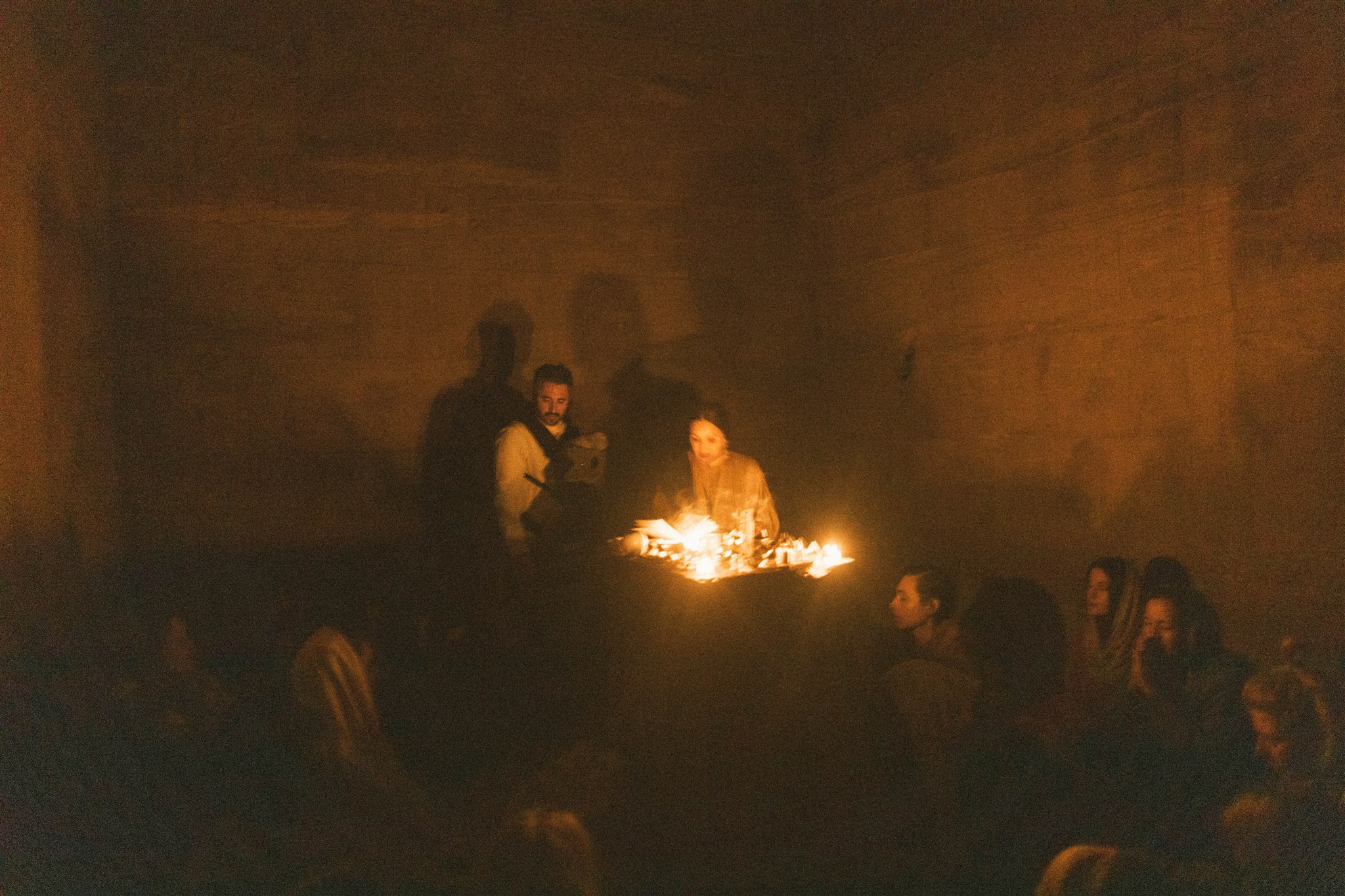
- Use breath or a candle to start. This helps people shift from daily life.
- Use a talking object. This makes sure everyone is heard, one at a time.
- Use check-ins and check-outs. This gives each person a voice. It marks the group’s journey.
Holding space is a living practice. It is about being with people. It is not about doing for people. It is about helping a community. It is a place where every person’s truth can shine.
Being Present, Rules, and Structure: Good Leading
Good group leading is simple. It is not about controlling the results. It is about making a safe room. It is about making a welcoming room. People can show their real selves there. The base of this work has three parts. They are being present. They are clear rules. They are having a structure. These three things change a simple meeting into a special time.
Start with a Grounding Act
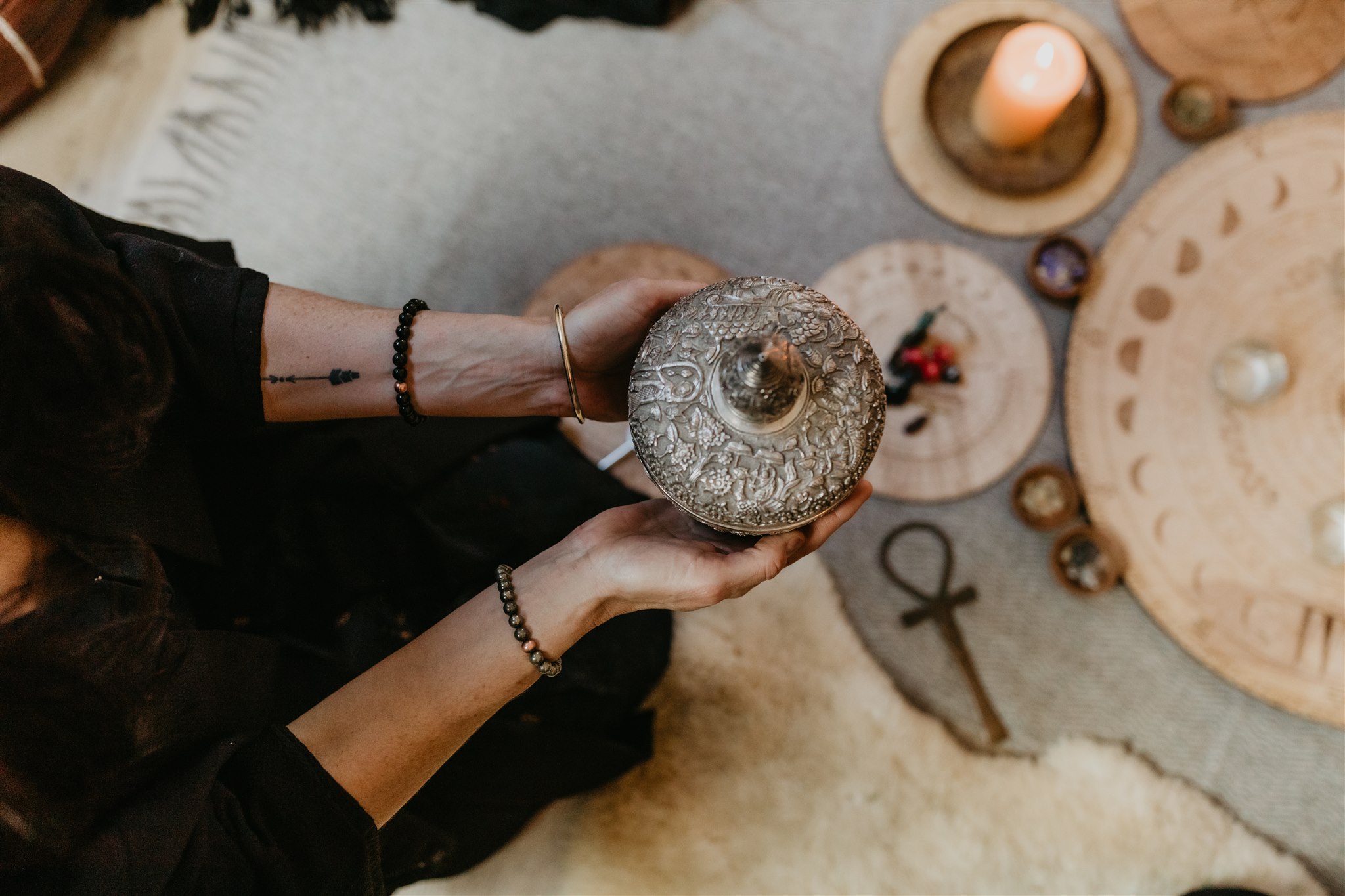
Every group session needs a clear start. A grounding act is good. Take a few deep breaths. Light a candle. Or ask a fun check-in question. This tells people to stop thinking about daily life. It helps everyone change gears. It builds a feeling of being united. Even a moment of silence helps calm nerves.
Presence: The Leader’s Anchor
Being present means being fully there. The leader sets the tone. Listen well. Look at people. Use silence that shows respect. This shows you care. It encourages people to be open. The leader’s job is not to fix things. It is about watching. It is about letting each person’s truth come out. When leaders are calm, the group feels safer.
Rules and Structure: Gentle, Firm, and Clear
Rules are not walls. They are gentle edges. They keep the group safe. They keep it productive. Start with clear rules. Rules about keeping secrets. Rules about asking first. Rules about time. Structure the meeting. Have a clear start, middle, and end. Rituals help. A check-in at the start helps. A check-out at the end helps. This helps people feel safe.
- Timekeeping: Use a soft but firm way to keep time. This honors everyone’s voice.
- Agreements: Make rules together at the start. This builds shared trust.
- Purposeful Closure: End with a goal. Share thanks. Or do a calming act.
A Real Story: The Power of Stopping
Sometimes the energy of the group gets very high. It spikes. This might be after someone shares a strong feeling. Once, a group felt tense. The leader stopped. The leader asked everyone to take one breath. There was silence. This pause helped. It helped the strong feeling settle. Then, people laughed. The group relaxed. The connection got deeper. The meeting continued with new trust.
“Holding space is less about doing for people and more about being with people.”
Being present, having rules, and having structure are living skills. When a leader uses them with care, the group becomes a cup. It is a cup for shared wisdom. It is a cup for healing.
Brave Spaces: Knowing Feelings and Welcoming Everyone
Leaders must create brave spaces. These are places where people feel safe. They can be open. But they must also be asked to grow. This balance comes from care. It comes from welcoming everyone. This builds trust. It builds change.
Treating All Feelings the Same
A key part of good leading is to treat all feelings the same. There are no “good” feelings. There are no “bad” feelings. Joy, anger, sadness, and worry are all okay. Leaders must not label feelings. Do not rush to make people feel better. This shows people that every feeling is allowed. This helps people be real. It stops people from hiding important truths.
- Acknowledge Tension: Say, “I feel strong feelings here. Let’s pause and honor whatever is present.” This helps people be real.
Practical Ways to Welcome Everyone
Welcoming everyone means changing the room. It means changing the plan. It is more than just having chairs and floor seating. You must think about everyone. Think about those who need more quiet time.
- Comfort: Have different seats. Let people move. Let them stretch.
- Quiet Time: Add moments of silence. This helps people who need more time to think.
- Simple Words: Use clear language. Do not use complex words. This helps everyone feel included.
These changes show that every person’s presence is valued.
Energy Guardians: A New Job for Group Care
Leaders often manage the flow. But what if every group had a ‘guardian’? This person cares for the group’s feelings. This guardian watches the energy. They notice when someone looks worried. They notice when the group needs a break. They can softly ask for a pause. This helps share the job of caring. It ensures the leader is not alone.
- Change the job: Let different members serve as guardian each session.
- Give power: Give guardians permission to ask for breaks or check-ins.
- Talk about it: After the meeting, ask guardians what they saw. This helps the group learn.
Key Takeaways for Community Leaders
- All feelings are welcome. Respond with presence. Do not respond with solutions.
- Welcoming everyone is real work. Change the room, plan, and words to fit all needs.
- New jobs like the ‘guardian’ help the whole group feel stronger.
By using these habits, leaders do more than just hold space. They co-create brave spaces. This is where change is possible for everyone.
Fixing, Aftercare, and Knowing When to Stop
Even the best groups have tension. They have misunderstandings. They have strong feelings. What makes a leader good is how they fix it. Fixing is a key part of holding space. It is seeing the hurt. It is guiding the group toward understanding.
When tension starts, the leader must name it. Name it openly. Do not blame anyone. Say, “I feel strong feelings here. Let’s pause and listen one at a time.” This helps the group move toward fixing things. Focus on finding solutions. Focus on understanding. This builds deep trust.
Knowing Your Limits
The leader must know their limits. Leading a group is not a therapy session. If someone shares a trauma, thank them. Ask if they have a therapist. Be clear about your job. Say, “I am here to listen. But I am not a therapist.” This keeps everyone safe. It honors the work.
Caring After the Meeting
Care after the meeting is important. People may feel raw after deep talks. The end ritual is key. End with a breath. End with silence. End with a simple blessing. Share names of local helpers. Share books to read. This helps people handle their feelings.
When to Stop Leading
Sometimes the best thing to do is to step back. The group’s wisdom is ready to lead itself. You must trust the group. You must know when to let the circle hold itself. This humble feeling is the heart of good leading.
In closing, holding space is a practice. It is about presence. It is about rules. It is about care. It needs courage to face problems. It needs wisdom to know your limits. It needs kindness to offer after-care. By mixing these elements, leaders create safe rooms. They are places where healing and change can grow. As the circle closes, may each person feel seen. May they feel supported. May they carry the light of the experience into their wider world.
Holding space is about more than running a group. It is about being present. It is about setting gentle structure. It is about honoring feelings. It is about welcoming all voices. With some fun ideas and after-care, leaders can make safe, real spaces. This is where change naturally unfolds.
by The Acedemy of Oracle Arts