
Real-World Insights on Holding Space and Facilitation Skills for Community Leaders
A few years ago, I led a community gathering where someone brought their pet parrot. It was both a hilarious icebreaker and a reminder: holding space means welcoming the unexpected, not just keeping to the agenda. True facilitation asks us to show up—grounded, open, and ready for whatever surprises unfold. Let’s dig into what it really takes, quirks and all, to hold space and lead with empathy (even when parrots start squawking mid-circle).
What Does Holding Space Really Mean?

The phrase “holding space” is often used in community leadership and facilitation circles, but its true meaning goes far beyond a trendy buzzword. At its heart, holding space is about being with people—creating an environment where individuals feel safe, seen, and respected, without being managed, controlled, or judged. It is less about following a script and more about attentive stewardship, allowing authentic voices and experiences to emerge naturally.
The Essence of Holding Space
To hold space is to offer a container—a sense of safety and openness—where participants can share, reflect, and transform. Unlike traditional leadership, which often focuses on directing or achieving specific outcomes, holding space is about presence. The facilitator’s role is not to fix or solve, but to witness and support. This means letting go of the urge to control the process and instead trusting the group’s collective wisdom.
Key Elements of Holding Space
- Presence: The facilitator’s grounded presence sets the tone for the group. Active listening, eye contact, and respectful silence communicate that each person’s experience matters. Often, the most powerful support is simply witnessing someone’s story without trying to change it.
- Stewardship, Not Management: Facilitation is not about managing people or outcomes. It’s about creating conditions where honesty, creativity, and healing can unfold. This involves balancing clarity—so everyone knows the purpose and boundaries—with openness to whatever arises.
- Letting Go of Fixing: True holding space means resisting the urge to offer solutions or advice. Instead, facilitators focus on being present, allowing participants to process and discover their own insights.
Practical Skills for Community Leaders
- Setting Agreements: Begin with clear guidelines around confidentiality, consent, and respect. This helps participants feel secure and valued.
- Creating Structure: Design sessions with a clear beginning, middle, and end. Rituals—like a moment of silence or a check-in round—help mark transitions and foster trust.
- Emotional Intelligence: Notice the energy in the room. Normalize all emotions and avoid labeling them as good or bad. If someone shares something vulnerable, acknowledge their courage and ensure support is available.
- Inclusivity: Use accessible language and make physical space welcoming for all bodies and needs. Invite quieter voices, but never pressure anyone to share.
- Conflict Navigation: When tension arises, name it gently and invite reflective listening. Focus on understanding rather than winning or losing.
Practices That Support Holding Space
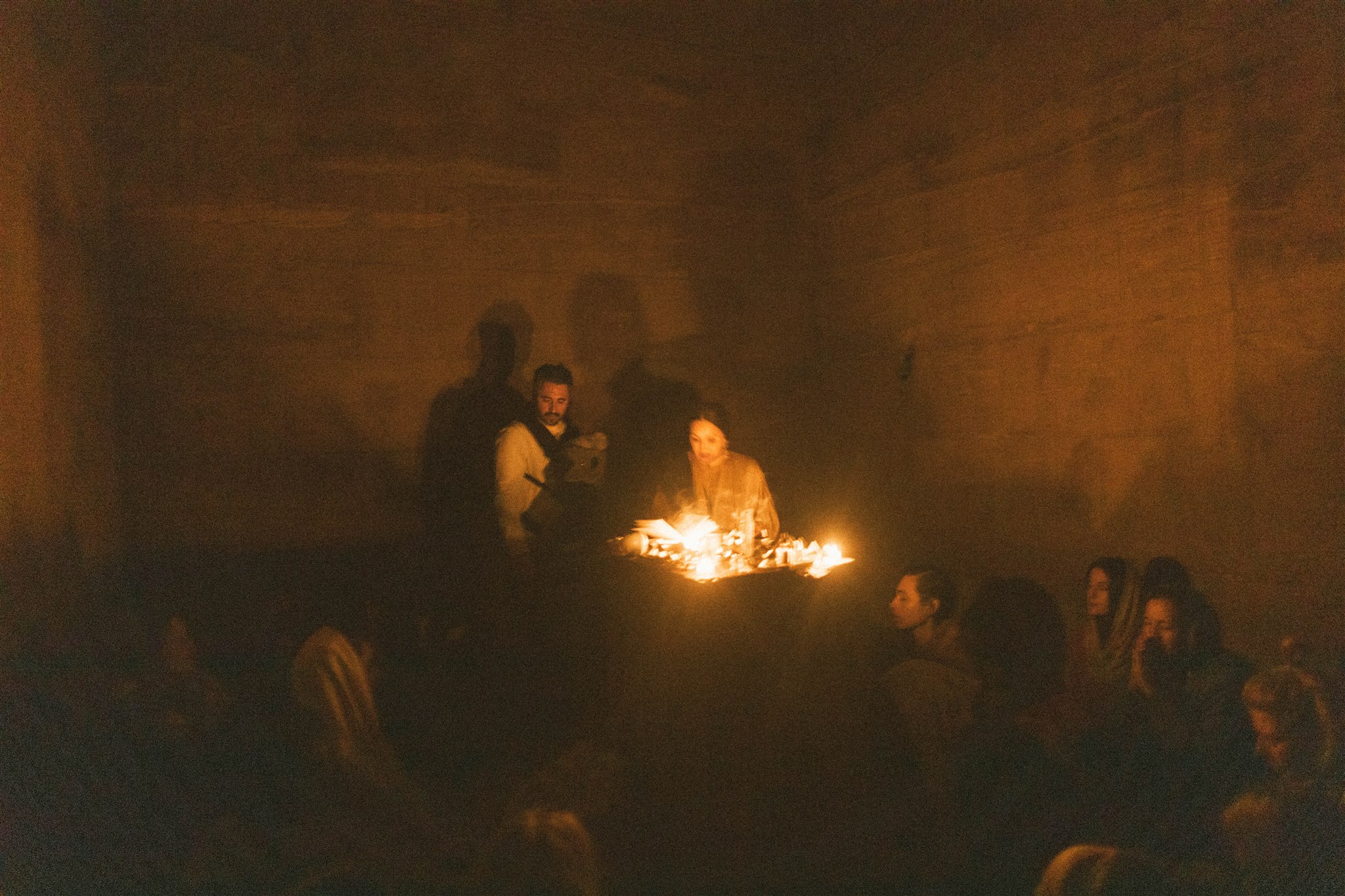
- Grounding rituals—such as breathwork or lighting a candle—help shift from daily life into a shared, intentional space.
- Circle sharing with a talking piece ensures everyone is heard, one at a time.
- Check-ins and check-outs give each participant a moment to speak and mark the group’s journey together.
Holding space is a living practice. It is about being with rather than doing for, and about fostering a community where each person’s truth and wisdom can shine.
Presence, Boundaries, and Structure: Effective Group Facilitation
Effective group facilitation is less about controlling outcomes and more about creating a safe, welcoming environment where participants can show up as their authentic selves. According to Holding Space: Facilitation Skills for Community Leaders, the foundation of this work lies in three essential elements: presence, boundaries, and structure. These are the not-so-secret ingredients that turn a group gathering into a transformative experience.
Start with a Grounding Ritual
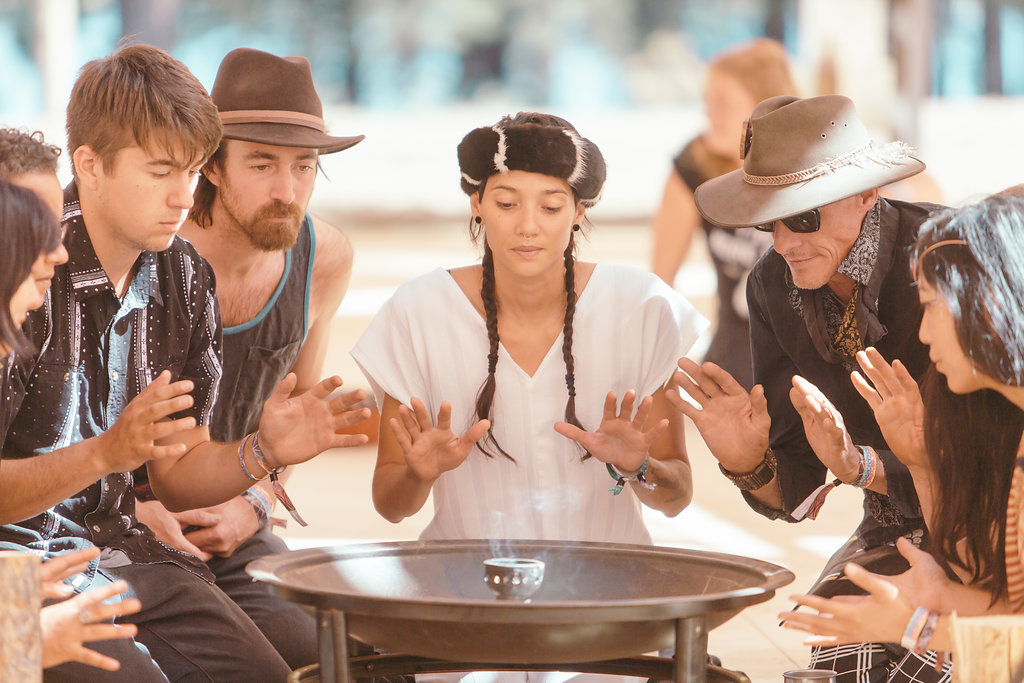
Every group session benefits from a clear beginning. A grounding ritual—such as a few deep breaths, lighting a candle, or even a lighthearted check-in question—signals to participants that they are entering a space set apart from daily life. These simple acts help everyone shift gears, become present, and prepare to engage with intention. Rituals don’t need to be elaborate; even a moment of shared silence can help settle nerves and build a sense of unity.
Presence: The Facilitator’s Anchor
Presence is the art of being fully there, both physically and emotionally. Facilitators set the tone with their own groundedness. Active listening—through eye contact, nods, and attentive silence—shows respect and encourages openness. Importantly, holding space is not about fixing or directing; it is about witnessing and allowing each person’s truth to emerge. When facilitators model calm, attentive presence, the group feels safer to explore vulnerability and creativity.
Boundaries and Structure: Gentle, Firm, and Clear
Boundaries are not barriers; they are the gentle edges that keep a group experience safe and productive. Begin by setting clear agreements: confidentiality, consent, and respect for time and participation. Structure the session with a clear opening, middle, and closing. Ritualized transitions—such as check-ins at the start and check-outs at the end—help participants mark the flow of the gathering and feel contained within a supportive framework.
- Timekeeping: Use a gentle but firm approach to honor everyone’s voice and maintain group focus.
- Agreements: Co-create group norms at the outset to foster shared responsibility and trust.
- Purposeful Closure: End with intention, whether through a closing round, gratitude, or a grounding activity.
Real-World Insight: The Power of the Pause
Facilitators often encounter moments when group energy spikes—perhaps after an emotional share or a heated discussion. In one memorable session, after a participant revealed something deeply personal, the group’s energy became charged and tense. The facilitator paused, invited everyone to take a collective breath, and allowed silence to settle. This simple act made space for both vulnerability and, unexpectedly, laughter. The group relaxed, connection deepened, and the session moved forward with renewed trust.
“Holding space is less about doing and more about being with.” — Holding Space: Facilitation Skills for Community Leaders
Presence, boundaries, and structure are not rigid rules, but living practices. When a facilitator combines these elements with humility and care, the group becomes a vessel for shared wisdom, healing, and growth.
Brave Spaces: Emotional Intelligence and Inclusivity in Action
In the practice of holding space, community leaders are called to create brave spaces—environments where participants feel safe enough to be vulnerable, yet challenged enough to grow. This balance is achieved through the intentional use of emotional intelligence and inclusivity, which together foster trust, openness, and transformation.
Normalizing All Emotions
A cornerstone of emotional intelligence in facilitation is the ability to normalize every emotion. In a brave space, there are no “good” or “bad” feelings. Facilitators acknowledge that emotions like joy, anger, sadness, and confusion are all valid responses to group work. By refraining from labeling emotions or rushing to soothe discomfort, leaders send a powerful message: every feeling has a place here. For example, when tension arises, a facilitator might say,
“I notice strong feelings in the room. Let’s pause and honor whatever is present, without judgment.”
This approach encourages authenticity and prevents the suppression of important truths.
Practical Inclusivity: Adapting Space and Process
Inclusivity in action means designing spaces and processes that welcome all bodies, minds, and voices. This goes beyond physical access—such as providing both chairs and floor seating—to include sensory and neurodiverse needs. For instance:
- Physical Comfort: Offer a variety of seating options and allow participants to move or stretch as needed.
- Neurodiversity: Build in moments of silence or quiet reflection, giving those who process differently the space to participate fully.
- Accessible Language: Use clear, jargon-free language and avoid cultural references that may exclude.
These adaptations signal that every person’s presence and way of engaging is valued.
Energy Guardians: A Wild Card for Group Wellbeing
Traditionally, facilitators or timekeepers manage the flow of meetings. But what if every group adopted a ‘guardian’ role—someone dedicated not just to time, but to the group’s emotional and energetic wellbeing? This guardian might notice when energy dips, when someone seems overwhelmed, or when the group needs a break. They could gently suggest a pause, a breath, or a change in activity. This shared responsibility helps distribute care and ensures the facilitator is not solely responsible for group dynamics.
Implementing the Guardian Role
- Rotate the role: Let different members serve as guardian each session.
- Empower with language: Give guardians permission to call for breaks or check-ins.
- Debrief: After sessions, invite guardians to share observations, helping the group learn and adapt together.
Key Takeaways for Community Leaders
- Emotional intelligence means welcoming all emotions and responding with presence, not solutions.
- Inclusivity is practical: adapt the space, process, and language to fit diverse needs.
- Innovative roles like the energy guardian can deepen collective care and resilience.
By integrating these practices, facilitators move beyond simply holding space—they co-create brave spaces where transformation is possible for everyone.
Repair, Aftercare, and Knowing When to Step Back
Even the most skillfully held circles will encounter moments of tension, misunderstanding, or emotional overwhelm. What sets effective community leaders apart is not the absence of conflict, but their ability to address it with care and clarity. Repair is an essential part of holding space—acknowledging when harm or discomfort has occurred, and guiding the group gently toward understanding and restoration.
When tension arises, the facilitator’s role is to name it openly, without assigning blame. For example, saying, “I sense strong feelings here. Let’s pause and listen one at a time,” invites honesty while maintaining safety. This approach models accountability and respect, and it helps the group move beyond polarization. Embracing ‘both/and’ solutions—where multiple truths can coexist—encourages creative problem-solving and deepens trust within the community.
It is equally important for facilitators to recognize the boundaries of their role. While holding space can be deeply supportive, it is not a substitute for therapy. If someone shares a traumatic experience, the facilitator should thank them for their courage and check if they have access to appropriate support. Being clear about one’s limits—“I am here to listen, but I am not a therapist”—protects both the participant and the facilitator, and upholds the integrity of the space.
Aftercare is often overlooked, yet it is vital for the wellbeing of everyone involved. Vulnerable conversations can leave participants feeling raw or exposed, so closing rituals are essential. This might mean ending with a grounding breath, a moment of silence, or a simple blessing. Sharing follow-up resources—such as community support contacts or reading materials—helps participants process their experience and access further help if needed.
Sometimes, the most powerful act a facilitator can take is to step back. There are moments when the group’s own wisdom and resilience are ready to emerge, and the leader’s presence should become less visible. Trusting the process means knowing when to let the circle hold itself, and when to offer gentle guidance from the sidelines. This humility is at the heart of true facilitation.
In conclusion, holding space is a practice of presence, boundaries, and care. It requires the courage to address tension head-on, the wisdom to know one’s limits, and the compassion to offer aftercare. By weaving these elements together, community leaders create environments where healing, creativity, and transformation can flourish. As the circle closes, may each participant leave feeling seen, supported, and empowered to carry the light of the experience into their wider world.
Holding space is about more than running a group; it’s being present, setting gentle structure, honoring emotions, and inviting all voices. With a dash of creativity (and some aftercare), community leaders can cultivate brave, authentic spaces where transformation naturally unfolds.
by The Acedemy of Oracle Arts