
From Divine Flesh to Modern Healing: The Many Facets of Entheogenic Ceremonies
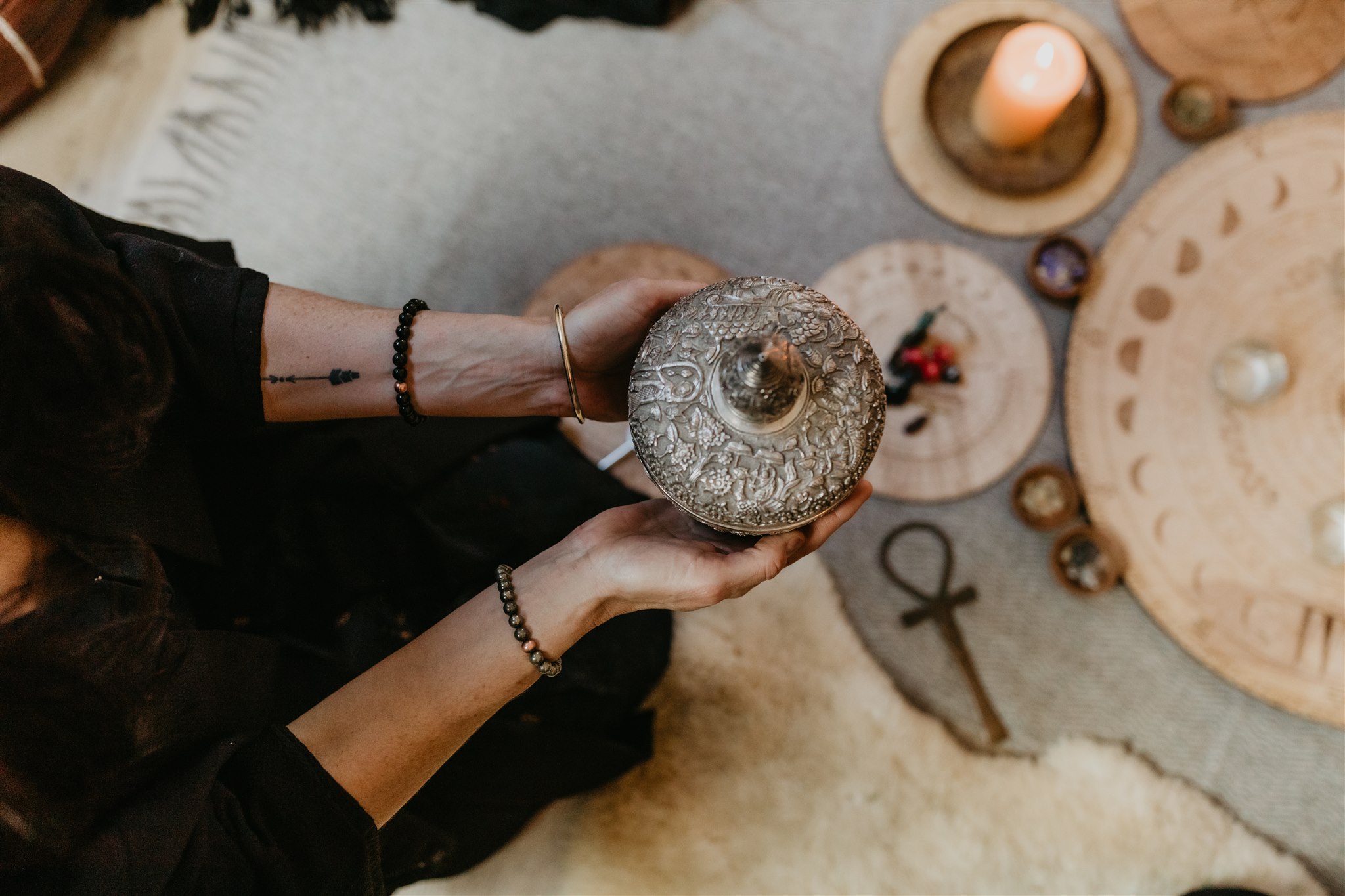
Picture this: A candlelit room deep in the heart of Oaxaca, hands clasped as a grandmother (curandera) sings over bowls of psilocybin mushrooms. For some, these substances are gateways to the divine; for others, they’re the subject of scientific debate. What’s real is that entheogenic practice spans continents and centuries, blending prayer, song, and healing intent—yet today, it stands at a crossroads. Let’s wander from tradition to trend, learning how ancient ceremony meets our modern yearning for meaning and well-being.
Ancestral Roots: Where Spirit Meets Plant
Long before the modern era of research and rediscovery, certain plants and fungi were honored as sacred bridges between the human spirit and the mysteries of the universe. These “entheogens”—from the Greek for “generating the divine within”—have been central to ceremonial life in many cultures, not as recreational substances, but as revered allies for healing, vision, and spiritual connection.
Mazatec Night Vigils: The Flesh of the Gods
In the misty mountains of Oaxaca, the Mazatec people have long held night vigils guided by curanderos (healers). At the heart of these ceremonies are psilocybin mushrooms, known as teonanácatl, or “flesh of the gods.” The experience is carefully woven with prayer, sacred songs, and focused intention. Participants seek healing for emotional, physical, or spiritual ailments, guided by the wisdom and protection of the curandero. The ceremony is not just about the mushroom, but about the relationship between the plant, the spirit world, and the community.
Shipibo Ayahuasca: Songs of Vision and Purification
Deep in the Amazon Basin, the Shipibo and other Indigenous groups center their healing traditions around ayahuasca, a potent brew made from the Banisteriopsis caapi vine and companion plants. Ceremonies are led by experienced healers who use icaros—medicine songs—to guide the journey. These songs are believed to shape visions, protect participants, and facilitate the purging of illness or negative energies. The ayahuasca ceremony is a communal act, often addressing not just individual healing, but the well-being of the entire group.
Native American Church: Peyote and Communal Healing
Across North America, the Native American Church has woven the use of the peyote cactus into all-night tipi ceremonies. These gatherings blend prayer, drumming, and sharing in a circle, creating a powerful environment for spiritual connection and communal healing. Peyote is seen as a sacred teacher, helping participants connect with the Creator, ancestors, and the natural world. The ritual structure emphasizes respect, gratitude, and the importance of community support.
Vedic India: Soma, the Lost Nectar of the Gods
In ancient India, sacred hymns of the Rig Veda praise soma, a mysterious plant or mushroom whose true identity is lost to history. Soma was celebrated as a divine nectar, consumed in ritual to inspire vision, immortality, and communion with the gods. While soma itself remains a mystery, its role in Vedic ceremony highlights the deep roots of entheogenic practice in spiritual traditions worldwide.
- Mazatec night vigils: Guided by curanderos, psilocybin mushrooms, prayer, and song.
- Shipibo ayahuasca: Medicine songs (icaros), vision, and purification.
- Native American Church: Peyote ceremonies, communal healing, spiritual connection.
- Vedic India: Soma, the long-lost drink of the gods.
These ancestral practices reveal a common thread: the meeting of spirit and plant in a sacred context, where healing, guidance, and community are woven together through ritual, intention, and respect for the living world.
Purposes and Perils: Why (and How) Do We Drink the Brew?
Across continents and centuries, entheogenic ceremonies have served as powerful tools for healing, vision, and community. Far from recreational use, these rituals are intentional acts, guided by tradition and deep respect for the plants and fungi regarded as “sacred allies.” But why do people seek out these experiences, and what risks do they carry?
Healing at Many Levels
One of the primary purposes of drinking the brew—whether ayahuasca in the Amazon, peyote in North America, or psilocybin mushrooms in Mesoamerica—is healing. Participants often come seeking relief from emotional wounds, ancestral pain, or even physical ailments. In traditional settings, the ceremony is designed to address not just the individual, but the wider web of family and community. Through visions, purging, or symbolic experiences of death and rebirth, people may confront trauma, release grief, or find new strength.
Seeking Vision and Guidance
Entheogenic ceremonies are also sought for their capacity to provide vision and guidance. Many participants report life-changing insights, clarity about their life path, or a renewed sense of connection with nature, ancestors, or the divine. In the words of a Mazatec curandero, “The mushrooms teach us how to live.” These experiences can be transformative, sometimes reshaping values, relationships, or even career choices.
Strengthening Community and Marking Transitions
Beyond personal healing, entheogenic rituals often serve a communal purpose. Shared ceremonies dissolve feelings of isolation and foster a sense of belonging. In the Native American Church, for example, peyote ceremonies bring people together in prayer, song, and storytelling, reinforcing communal bonds. These rituals also mark important life passages—birth, coming of age, marriage, or death—helping individuals and communities navigate change.
Perils and Difficult Lessons
While the potential for healing and insight is significant, entheogenic ceremonies are not without risk. The journey can be unpredictable. Sometimes, participants experience fear, confusion, or emotional pain—a so-called “bad trip.” Yet, many traditional practitioners believe that these challenging experiences can be deeply instructive. As the Shipibo say, “The medicine gives you what you need, not always what you want.” Facing discomfort or darkness may reveal hidden wounds or patterns, offering a chance for deeper healing.
How the Brew Is Drunk: Ritual Structure and Safety
- Preparation: Participants often follow dietary and behavioral guidelines, set intentions, and agree on community norms.
- Invocation: Prayers, songs, or offerings call in protection and guidance from spirits or ancestors.
- Consumption: The brew is taken under the care of experienced facilitators, often at night or after fasting.
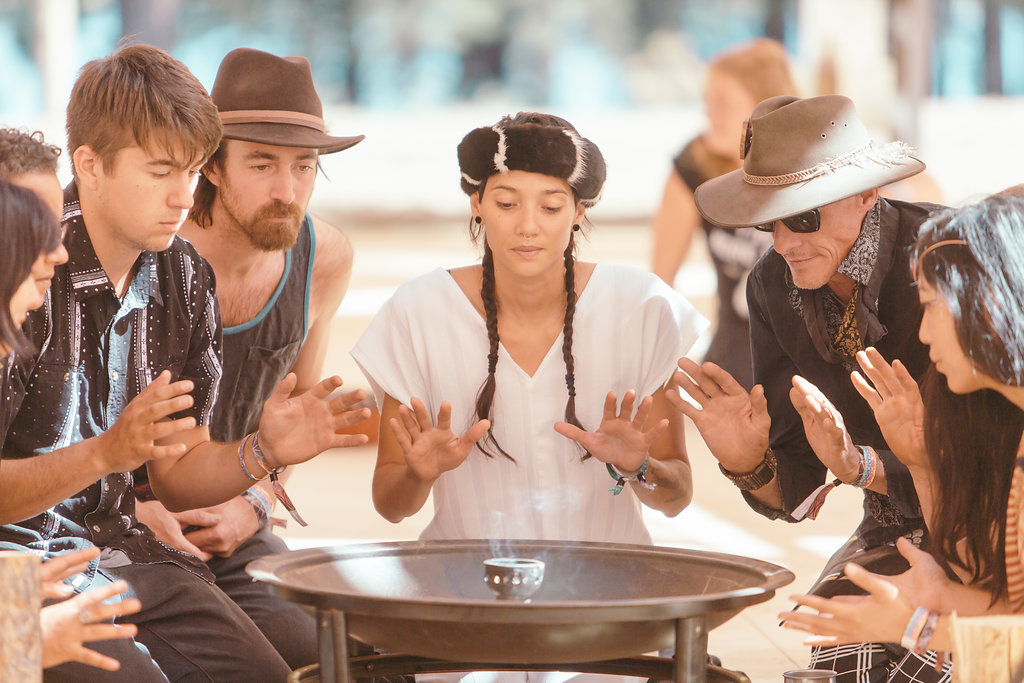
- Journey: Music, chanting, or silence guide the experience, with space for personal and collective process.
- Closure and Integration: Ceremonies end with gratitude, grounding practices, and ongoing support to help participants integrate insights into daily life.
The purposes and perils of drinking the brew are inseparable. True entheogenic work honors both the light and the shadow, inviting participants to approach with humility, respect, and readiness for whatever lessons may arise.
Beyond Ayahuasca: A Gallery of Sacred Allies
While ayahuasca often takes center stage in discussions about entheogenic ceremonies, it is only one member of a diverse family of sacred plant and fungal allies. Each of these entheogens—ayahuasca, psilocybin mushrooms, peyote, iboga, and cannabis—brings its own unique ritual, timeline, and spiritual personality to the ceremonial circle. They are not interchangeable; rather, each is honored for its distinct gifts and the traditions that have safeguarded their use for generations.
- Ayahuasca: Originating in the Amazon, ayahuasca is a potent brew made from the Banisteriopsis caapi vine and companion plants. Ceremonies are often held at night, guided by experienced healers who use icaros (medicine songs) to navigate the visionary journey. The process can involve purging and deep emotional release, with participants seeking healing, guidance, or spiritual insight.
- Psilocybin Mushrooms: Known as teonanácatl or “flesh of the gods” among the Mazatec people of Oaxaca, psilocybin mushrooms are used in night vigils led by curanderos. The experience is woven with prayer, song, and intention, often leading to mystical states and a sense of unity with nature. Unlike ayahuasca, the mushroom journey is typically quieter and more inward, yet equally profound.
- Peyote: In North America, the Native American Church holds all-night tipi ceremonies with peyote cactus. These gatherings combine prayer, drumming, and communal sharing. Peyote’s effects are gentle but long-lasting, fostering connection, healing, and spiritual communion. San Pedro, a related cactus from the Andes, is used in similar ways for guidance and protection.
- Iboga: In Central Africa, the Bwiti tradition reveres iboga root bark as a powerful tool for initiation and self-confrontation. Iboga ceremonies can last up to 24 hours, guiding participants through intense visions and deep personal reflection. The process is demanding, often described as a “spiritual detox,” and is never undertaken lightly.
- Cannabis: While often overlooked in entheogenic discussions, cannabis has a long history of ritual use in Sufi, Hindu, and Rastafarian traditions. When used ceremonially—with intention, music, and silence—cannabis can open doors to insight, creativity, and emotional release. One participant shared,
“Three silent hours with cannabis, a notebook, and a candle taught me more than months of talk therapy. It was like meeting myself for the first time.”
Each of these sacred allies requires its own preparation, ritual structure, and integration. Their effects unfold on different timelines, and their “personalities” range from the gentle embrace of San Pedro to the radical confrontation of iboga. As with any relationship, respect and understanding are essential—none of these entheogens can be swapped like Lego bricks. Instead, they invite participants into a living lineage of ceremony, healing, and connection with the divine within and around us.
Modern Reflections: Adaptation, Ethics, and the Road Ahead
As entheogenic ceremonies move from the shadows of ancient tradition into the light of modern curiosity, a complex landscape unfolds. Today, seekers around the world are blending time-honored rituals with contemporary practices such as yoga, meditation, and psychotherapy. This fusion is not simply a trend but a reflection of humanity’s ongoing search for meaning, healing, and connection. In clinical settings, researchers are now exploring the therapeutic potential of substances like psilocybin and MDMA, guided by rigorous protocols and scientific inquiry. Meanwhile, spiritual communities continue to honor the ceremonial roots of these plant medicines, striving to preserve the sacredness that has defined their use for generations.
This rising Western interest brings both promise and peril. On one hand, increased funding and attention have propelled entheogenic research into mainstream conversations about mental health and trauma recovery. On the other, there is a real risk of cultural appropriation and commodification. Many of these sacred plants—ayahuasca, peyote, iboga—are deeply woven into the spiritual and social fabric of Indigenous communities. When outsiders adopt these practices without understanding or respecting their origins, the result can be exploitation, loss of meaning, and even harm to the very cultures that have protected these traditions for centuries.
The legal landscape surrounding entheogenic substances is equally complex. Laws vary widely from country to country, and even from state to state. In some places, ceremonial use is protected as a religious right; in others, possession or consumption can lead to severe penalties. This patchwork of regulations reflects ongoing debates about safety, public health, and the rights of individuals to explore altered states of consciousness. As more people seek out entheogenic experiences, questions about who can facilitate ceremonies, how to ensure participant safety, and what constitutes respectful engagement with traditional knowledge become ever more urgent.
Looking ahead, one can imagine a near-future where legal ayahuasca ceremonies are offered at local community centers or wellness retreats. Would such accessibility support collective healing, or would it dilute the depth and integrity of the tradition? The answer is not simple. While broader access could offer relief and insight to many, it also raises concerns about commercialization, loss of ritual context, and the potential for misuse. True healing, as Indigenous wisdom reminds us, is not just about the substance but the intention, preparation, and integration that surround its use.
In this era of rapid change, the road ahead calls for humility, discernment, and respect. Entheogenic ceremonies are not quick fixes or recreational escapes; they are profound encounters with the mysteries of mind, spirit, and nature. As modern society seeks to adapt these ancient practices, it must do so with a commitment to ethical stewardship, honoring the wisdom of those who have walked this path before. Only then can the promise of entheogenic healing be realized—not just for individuals, but for communities and the Earth itself.
Ceremonial entheogen use, rooted in indigenous traditions, offers powerful opportunities for healing and insight. Yet with modern interest comes responsibility—ethical respect, safe practices, and thoughtful integration are more vital than ever. Approach these practices with humility and care.
by The Acedemy of Oracle Arts