
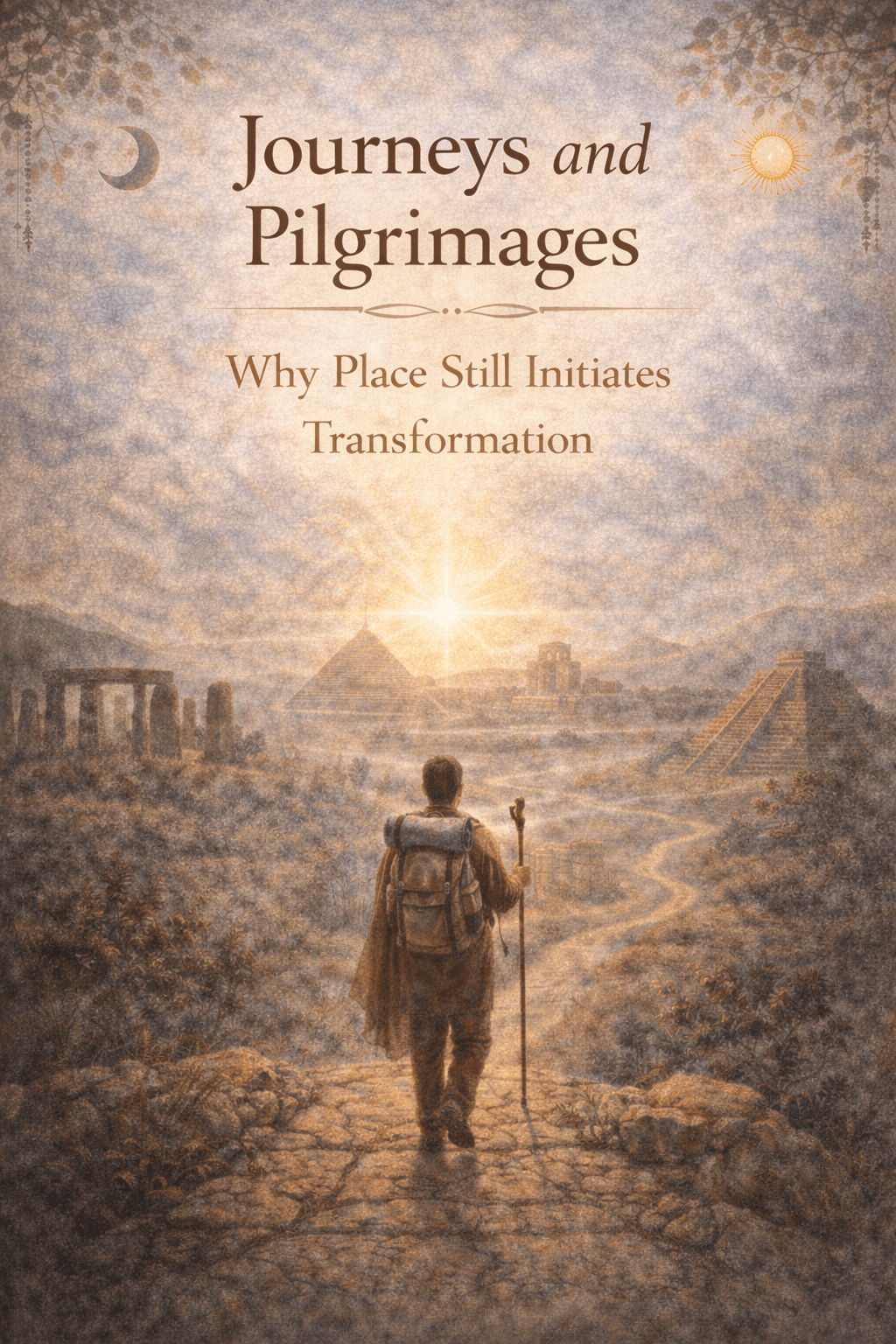
Journeys and Pilgrimages: Why Place Still Initiates Transformation
Tourism vs. pilgrimage
Tourism consumes experience. Pilgrimage participates in relationship.
Pilgrimage is defined by:
- intention (why you go)
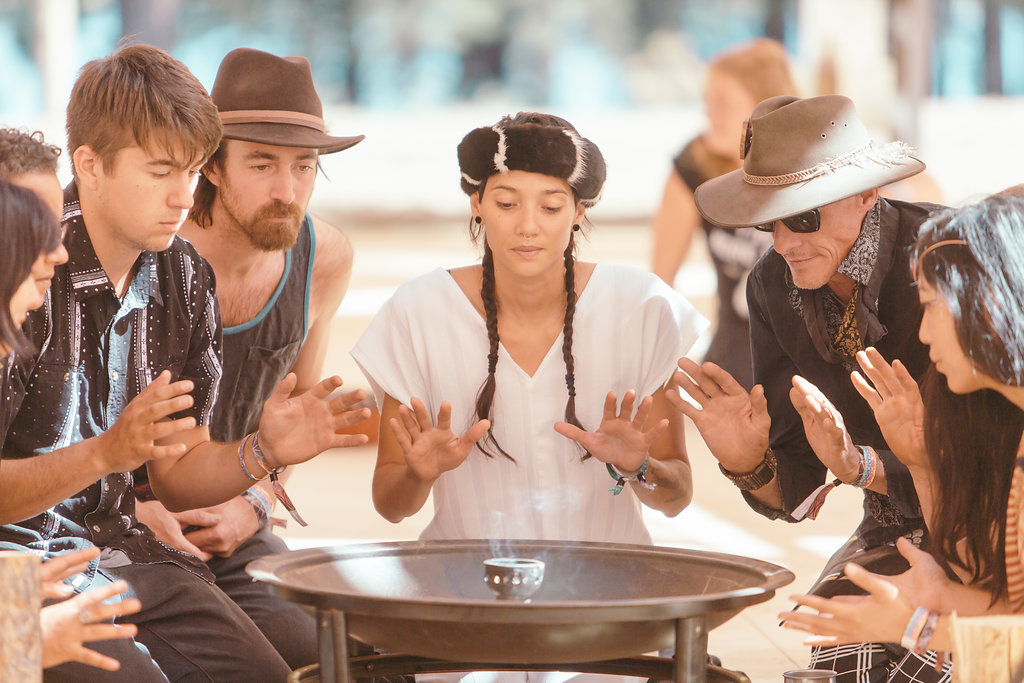
- container (how you enter/exit)
- integration (how you live differently after)
Why place changes practice
Place disrupts habit:
- your nervous system becomes more receptive
- time slows down
- symbols land differently
- humility increases
This is why many initiatory traditions include journeys: some teachings require the body.
The 3 phases of a responsible pilgrimage
Phase 1: Before (prepare)
- study the history and context
- define your intention and your limits
- plan a daily grounding ritual
- name what you will not do (over-consume, over-schedule)
Phase 2: During (participate)
- keep practice simple (one ritual/day)
- listen more than you speak
- maintain reciprocity (care, respect, restraint)
- record impressions without rushing to meaning
Phase 3: After (integrate)
- review notes weekly for 4 weeks
- choose 1–3 behavior changes
- share insight responsibly (without claiming authority)
Egypt as an example of cosmology + place
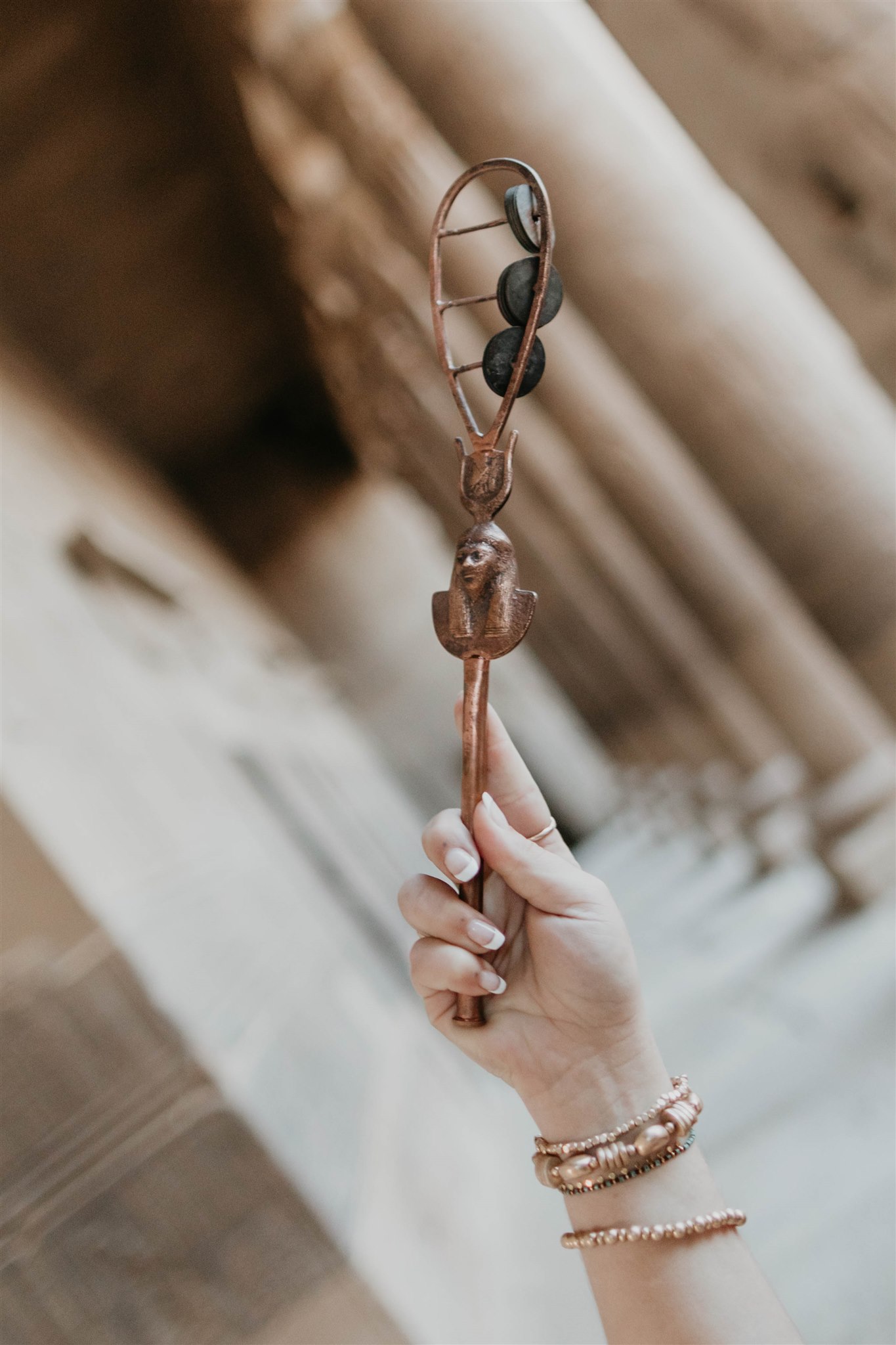
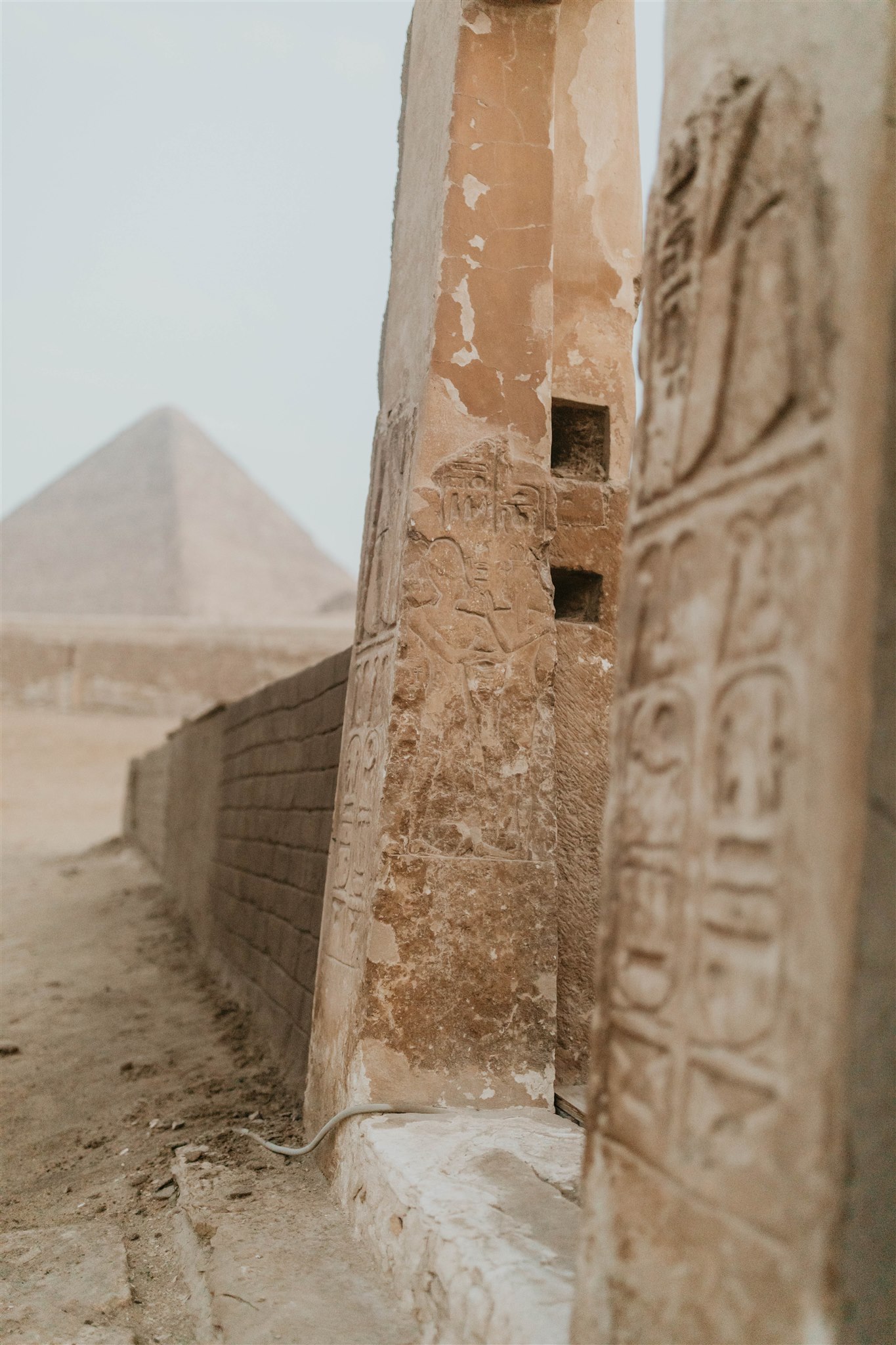
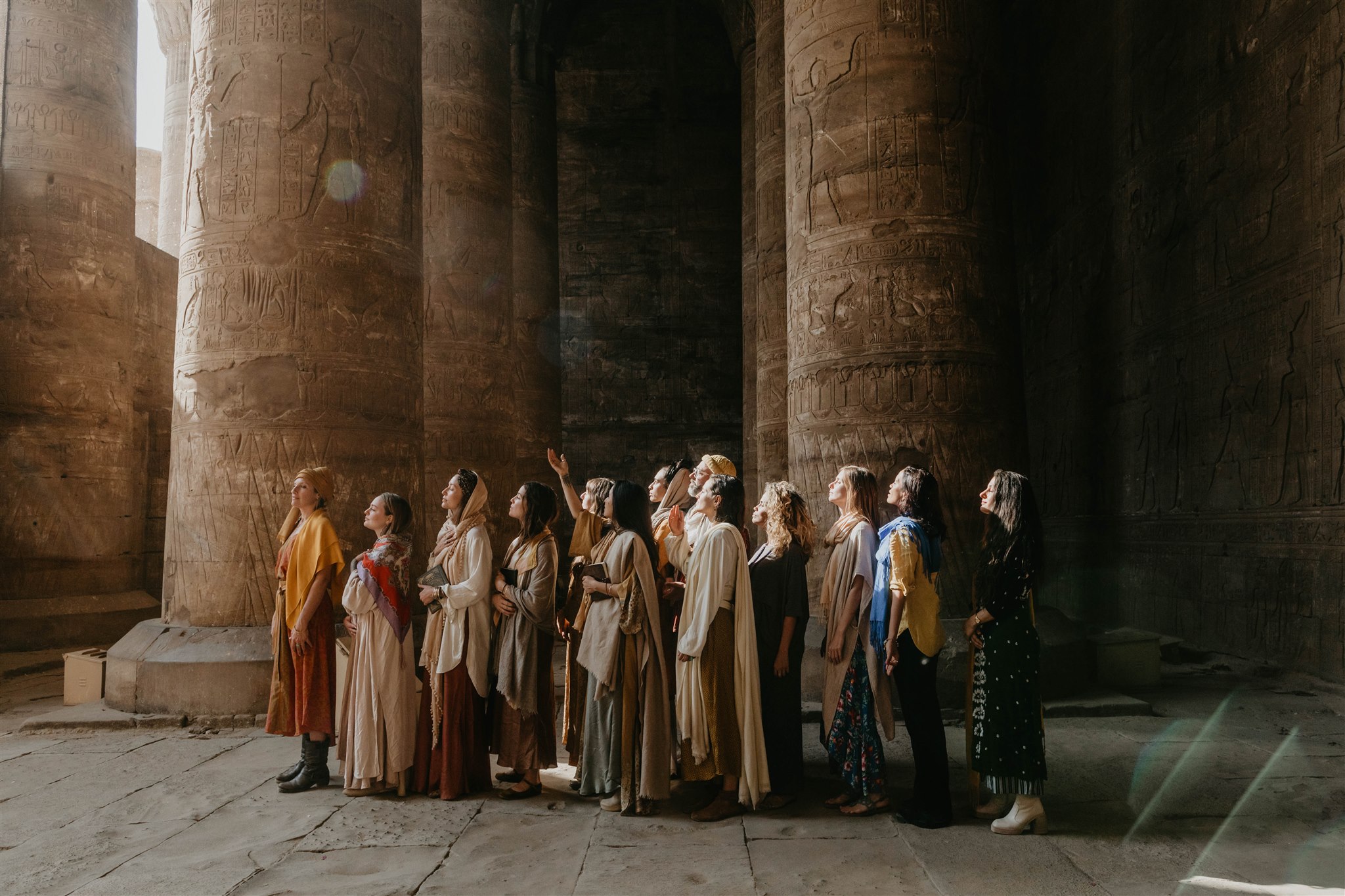
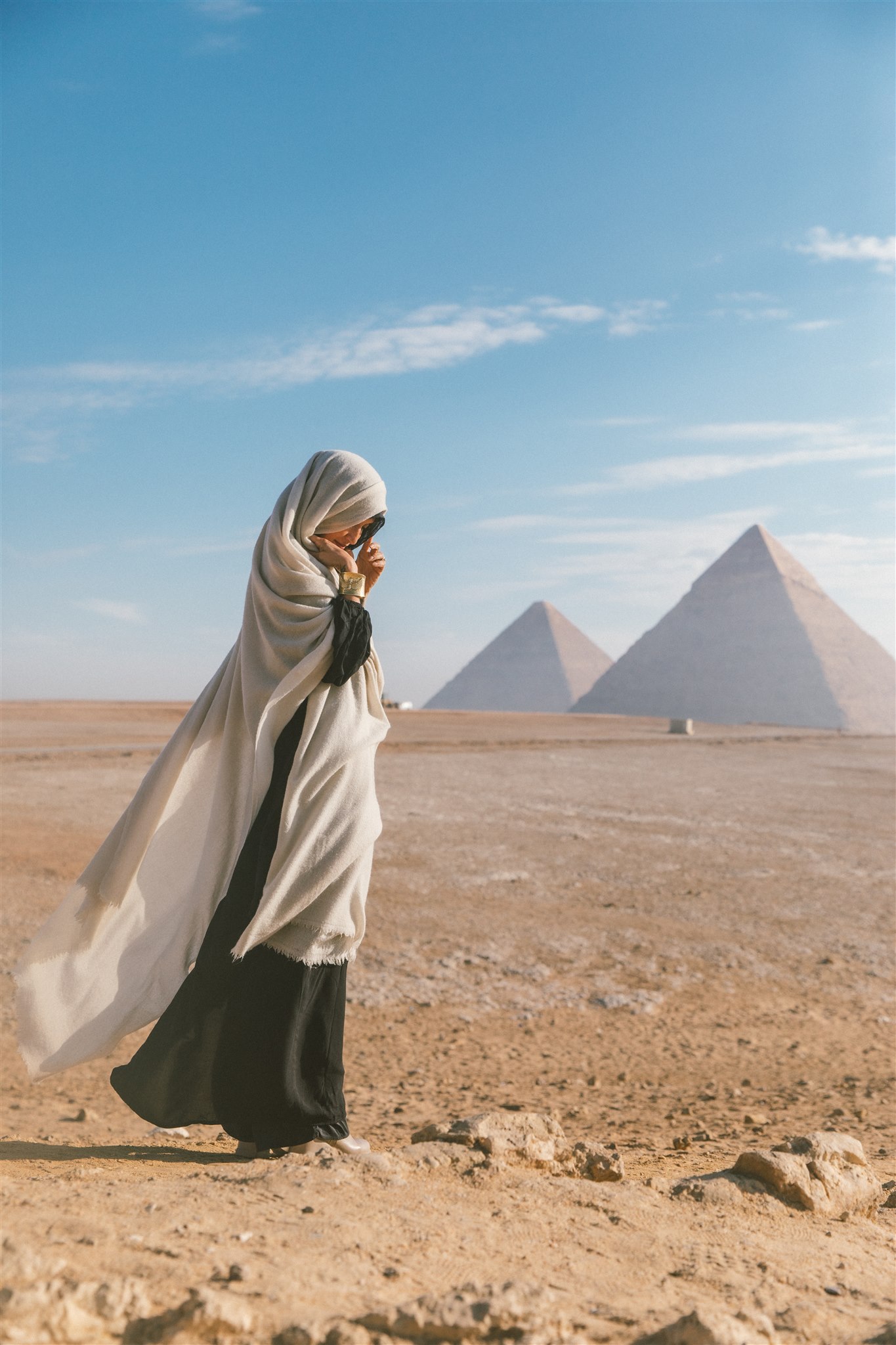
In Egypt, temples, land, river, and sky formed a living cosmological system. For museum-level context on Egyptian sacred life, see Met Museum: Divine Egypt.
A pilgrimage journal template (copy/paste)
- What did I notice today (without interpretation)?
- What responsibility did this place ask of me?
- What is one repair or offering I will make?
- What is one action I will take when I return home?
Journey with the Academy
To explore initiatory travel held within ethical container:
- Learn about upcoming journeys through Journeys & Pilgrimages.
- Prepare through Classes & Courses and consistent practice via Self-Study Courses.
- For in-person temple culture and embodied support, visit Studio Omari.
by The Acedemy of Oracle Arts